No products in the cart.
EVCUBE.NET ? YouTube analysis
BYD Shark 6 Performance review: 350kW, 3.5-ton towing and the software update that matters
BYD did not just give the Shark 6 Performance more power. It changed the ute’s character with a 2.0-litre hybrid setup, a new Crawl Mode, a higher towing ceiling and a bigger screen. The interesting part is how those changes land in the real world: towing, off-road control, payload and the everyday charging story that sits behind any plug-in ute.
350 kW / 700 NmBYD’s official headline for the Performance model, built around the new 2.0-litre hybrid drivetrain.
3.5 tonnesThe braked towing rating is the practical headline, not just the power figure.
6.6 kW V2LUseful for tools, campsite loads and backup power, not just marketing copy.
Crawl ModeBYD says it will also reach Premium and Dynamic owners through an OTA update.
What the video actually shows
The review is valuable because it is not a static spec sheet. It follows the Shark 6 Performance through off-road work, towing and low-speed crawling, which is exactly where a ute earns or loses credibility.
- Real-world towing with a 2.8-tonne caravan.
- Low-speed off-road work where Crawl Mode matters more than peak power.
- A payload trade-off that becomes obvious once towing is part of the plan.
The presenter notes roughly 762 kg of payload and about 60 kg less than the standard setup once the 3.5-tonne tow package is in the picture.
Why this update matters more than the badge change
BYD’s official Shark 6 page says the Performance model now does 0-100km/h in 5.5 seconds and carries a 3,500kg towing rating, but the bigger story is the way the update moves the ute from a fast plug-in hybrid into something that looks more serious for work and adventure.
The new drivetrain is a 2.0-litre turbo hybrid with a combined 350kW and 700Nm, which is a noticeable step up from the standard Shark 6 Premium’s 321kW/650Nm 1.5T setup. The Performance also brings a new interior layout, the familiar 15.6-inch central display, and the 10.25-inch driver cluster that car shoppers now expect in this segment.
Performance vs Premium at a glance
| Item | Shark 6 Premium | Shark 6 Performance | Why it matters |
|---|---|---|---|
| Drivetrain | 1.5T DMO Super Hybrid | 2.0-litre turbocharged DMO Super Hybrid | The Performance model is not just tuned differently; it is mechanically uprated. |
| Output | 321kW / 650Nm | 350kW / 700Nm | The extra torque helps the ute feel less strained when loaded or towing. |
| 0-100km/h | 5.7s | 5.5s | Acceleration is part of the appeal, but not the main reason to buy it. |
| Towing | 2.5t | 3.5t braked | This is the headline that broadens the ute’s real-world use case. |
| Off-road mode | Mountain Mode | Crawl Mode | Crawl Mode is the update that makes the Performance feel like a different class of tool. |
| Power back to gear | 6.6kW V2L | 6.6kW V2L | Portable power is still part of the Shark 6 pitch across the range. |
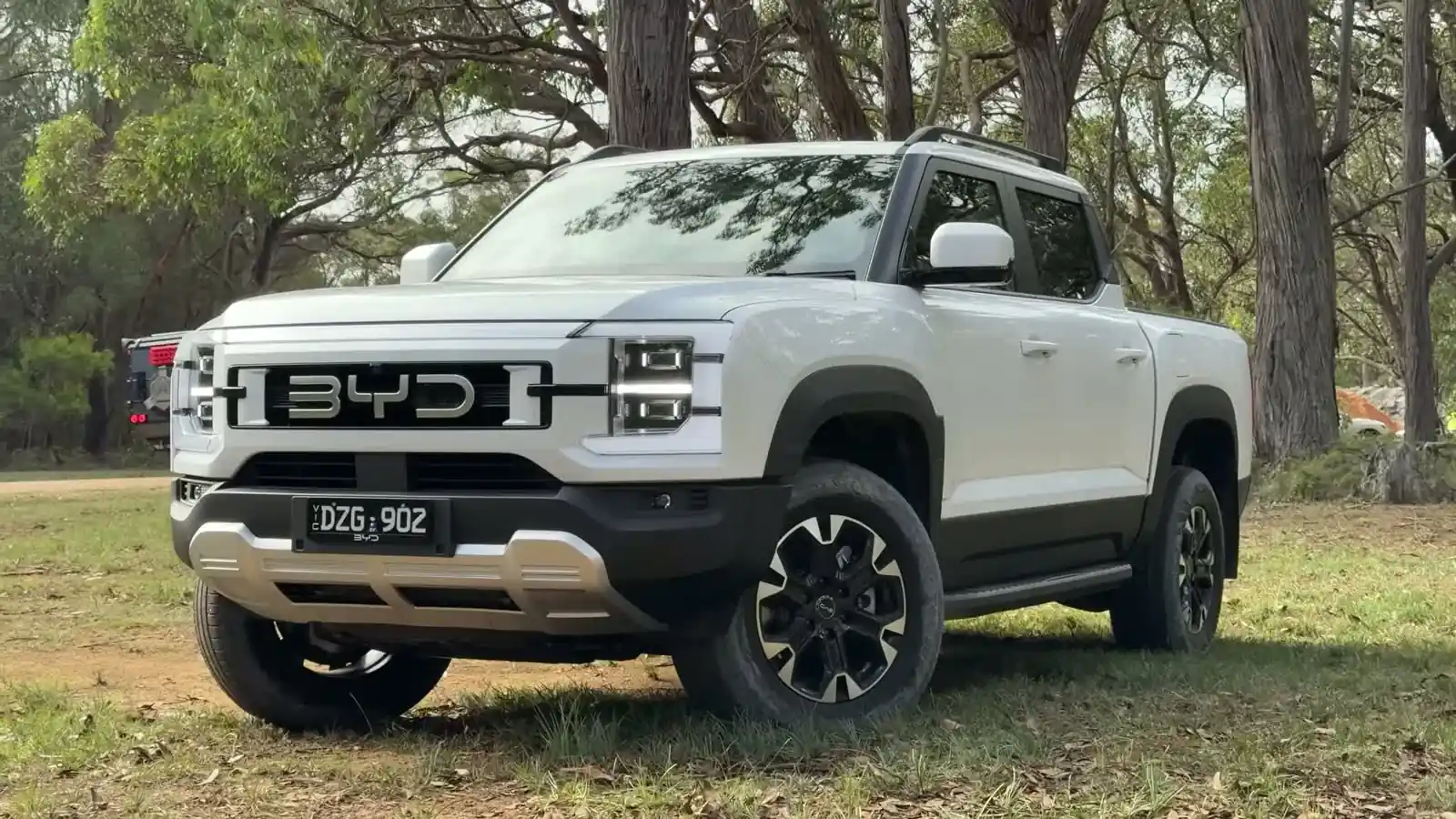
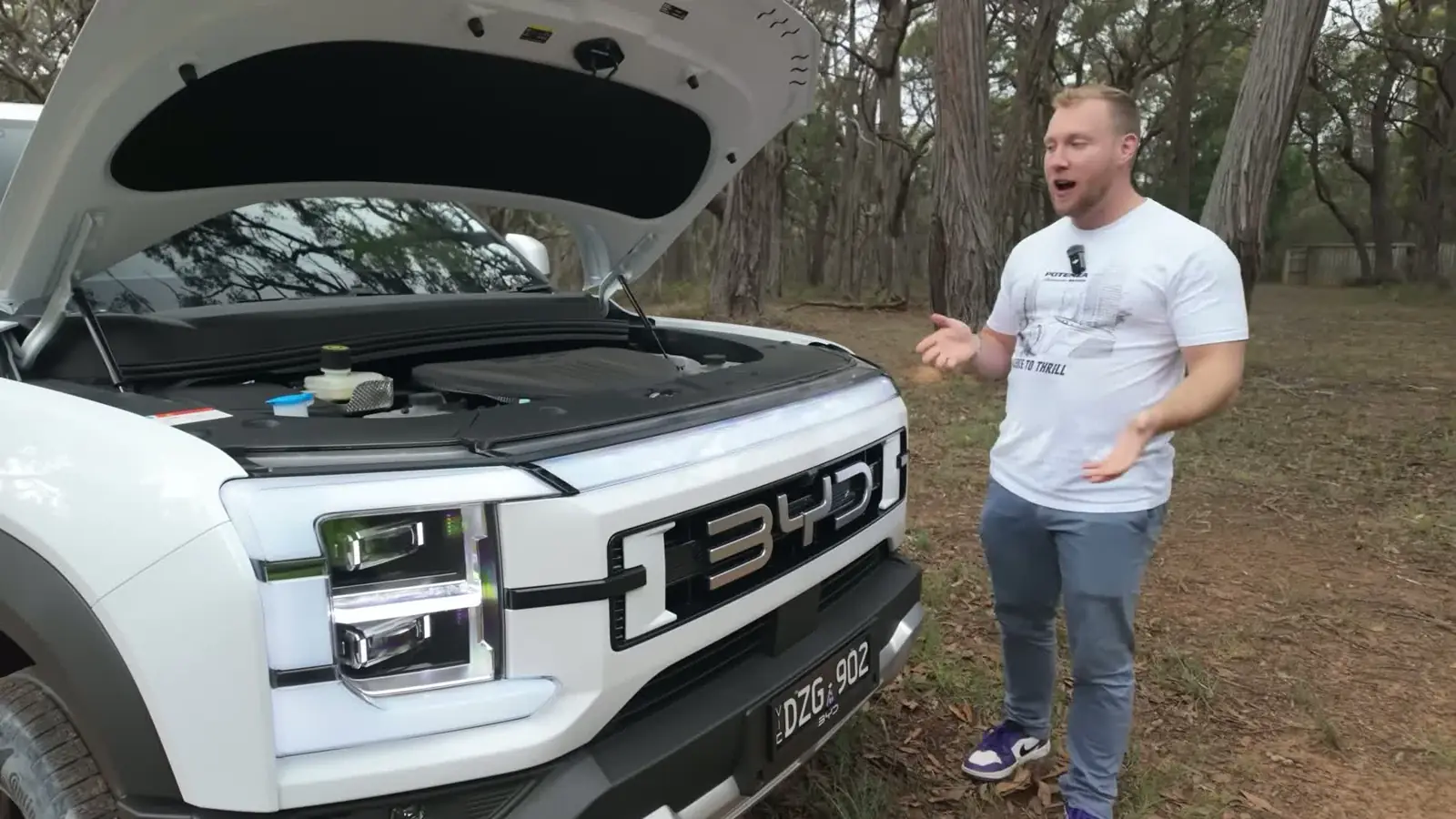
Three frames that explain the story
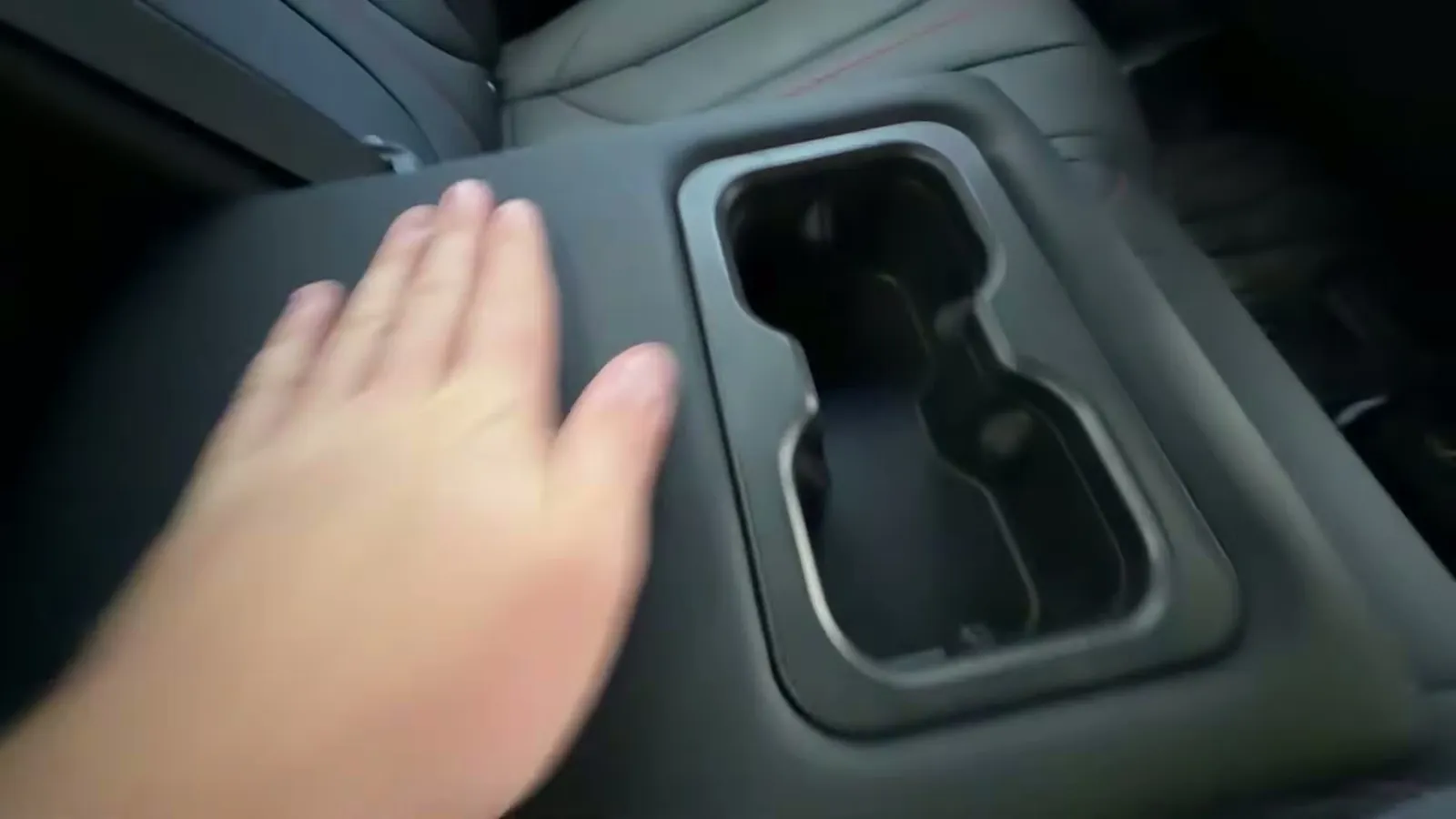
Fresh context from BYD and the market
For readers who want to verify the claims and see where the update fits in the broader ute market, these sources are the best starting points:
The charging angle is still part of the story
A ute like this only makes sense if the charging and power side is practical too. If you want to go deeper on that side of the equation, these EVCUBE.NET posts are the useful follow-ups:
- Level 2 EV charger analysis for home and light-commercial use
- 17 EV charging mistakes you should never make
- ChargePoint Express Solo 600kW and Eaton site power breakdown
That link set keeps the piece useful for readers who are thinking about towing, campsite power, home charging and site infrastructure in one go.
FAQ
Is the Shark 6 Performance just about straight-line speed?
No. The update matters because it combines more power with better towing capability, a new Crawl Mode and a more convincing off-road package.
Does the 3.5-tonne tow rating mean it can carry the same payload as before?
Not in practice. Once you load up the tow ball and trailer, the remaining payload shrinks, so the useful number is always the full real-world combination, not the tow rating alone.
Will other Shark 6 versions get Crawl Mode?
CarExpert reports that BYD plans to roll Crawl Mode out to the Premium and Dynamic variants through an over-the-air software update.
Why should EV readers care about V2L on a PHEV ute?
Because 6.6kW vehicle-to-load turns the ute into a useful power source for tools, campsites and backup loads, which is a practical feature beyond the headline performance figures.
Bottom line
The Shark 6 Performance feels less like a trim walk and more like BYD tightening the entire package: more shove, more control, more towing confidence and a better case for the kind of buyers who actually use a ute hard.
For EVCUBE.NET, that makes the review worth publishing because it connects the vehicle’s hardware story to the charging, power and infrastructure questions that sit behind it.