New EV sales in the US are down about 23% in the first half of 2026 — but that headline number measures a policy hangover, not a dying market. The real story is a used-EV boom, record charging buildout, and a transition that is quietly accelerating underneath the noise.
The headline number is real — the conclusion isn’t
Scroll any newsfeed and you’ll find the same story on repeat: America is done with electric cars. The single spreadsheet that fuels those takes is genuine. According to Cox Automotive and Kelley Blue Book, automakers sold roughly 463,000 new EVs in the US in the first half of 2026, down from just over 600,000 a year earlier — a decline of about 23%. Market share has flattened to 5.8%, and Q2 alone was down 20.5% year over year.
But “sales are lower than the most subsidized quarter in US history” is not the same as “EVs are dead.” The media is treating the new-car showroom as if it were the entire universe. It isn’t. Once you separate the policy shock from actual demand, the 2026 data tells a very different — and far more hopeful — story.

Used EVs turn over ~26% faster than gas (31 vs 42 days’ supply)
Public DC fast-charging ports up ~30% year over year (77,776 total)
A policy hangover, not a demand collapse
The decline has a single, identifiable cause: the federal $7,500 New Clean Vehicle Credit expired on September 30, 2025, and nothing replaced it. That expiration did two things the data shows clearly. First, a pull-forward — buyers rushed to close deals before the deadline, which pushed EV share of new-vehicle sales to a record 10.6% in Q3 2025. Second, a hangover — once that pulled-forward demand was spent, the following quarters had a much smaller pool of buyers left to draw from.
Cox Automotive’s Stephanie Valdez Streaty called the resulting reset “a necessary one: with federal incentives gone, the market had to reset around fundamentals like pricing and product rather than a subsidy.” And the shape of the decline proves it is healing, not worsening:
- Q4 2025: 234,171 units, down 36% year over year
- Q1 2026: 216,399 units, down 27.3% year over year
- Q2 2026: 247,226 units, down 20.5% year over year — but up 14.7% sequentially from Q1
Every quarter the drop has gotten smaller, and Q2 posted a genuine sequential rebound. That is the fingerprint of a market stabilizing, not collapsing. Monthly year-over-year declines also improved every month from January (29.9%) through May (21.9%).
The used-EV boom nobody predicted
While commentators fixate on the new-car reset, a massive, completely unsubsidized secondary EV market is exploding right under their noses. The federal $4,000 used-EV credit also expired in September 2025, and analysts explicitly predicted the used market would tank without it. Instead, Cox Automotive’s 2026 Mid-Year Review shows used EVs hitting a record ~128,000 sales in Q2 alone — up about 28% year over year, putting the first-half total north of 240,000.
Why? The lease tsunami. Roughly 1.1 million EVs were leased between 2023 and 2025 under the IRA leasing loophole, and Cox expects about 300,000 of those leases to expire in 2026, then 600,000 in 2027 and up to 660,000 in 2028. Those pristine, low-mileage three-year-olds are flooding dealer lots and getting priced into a highly accessible $20,000–$25,000 sweet spot out of pure necessity to move inventory.
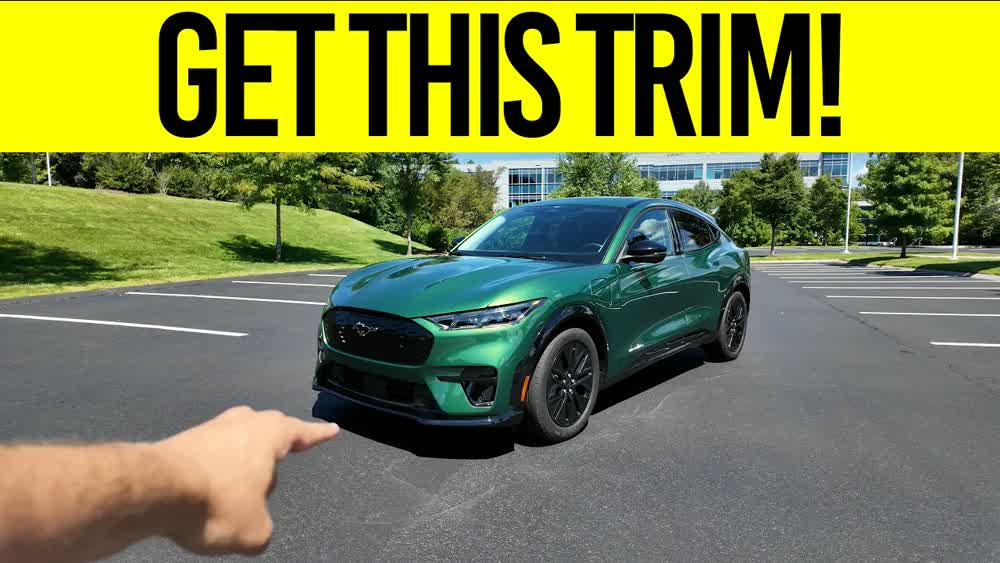
The result is the most telling statistic of the year: used-EV inventory supply has tightened to just 31 days, well below the 42 days for gas and hybrid vehicles. Used EVs are now the fastest-turning segment in America. And they are a gateway, not a dead end — registration data shows the vast majority of used-EV buyers never go back to gasoline, then step up to a new EV for their next car. If you want proof that affordable electric cars are winning converts, look at the performance EVs now available at bargain prices in America.
| Metric (H1 / Q2 2026) | New EVs | Used EVs |
|---|
| Volume | ~463,000 sold (H1) | ~243,000 sold (H1, record) |
| Year-over-year change | Down ~23% | Up ~28% |
| Inventory days’ supply | ~75 days (new) | 31 days (tightest in market) |
| Avg transaction price | ~$54,500 (record-low $5.5k premium vs gas) | ~$34,800–$37,100 |
| Driver retention | Tesla still 52% of segment | Most buyers stay electric |
The quiet infrastructure sprint
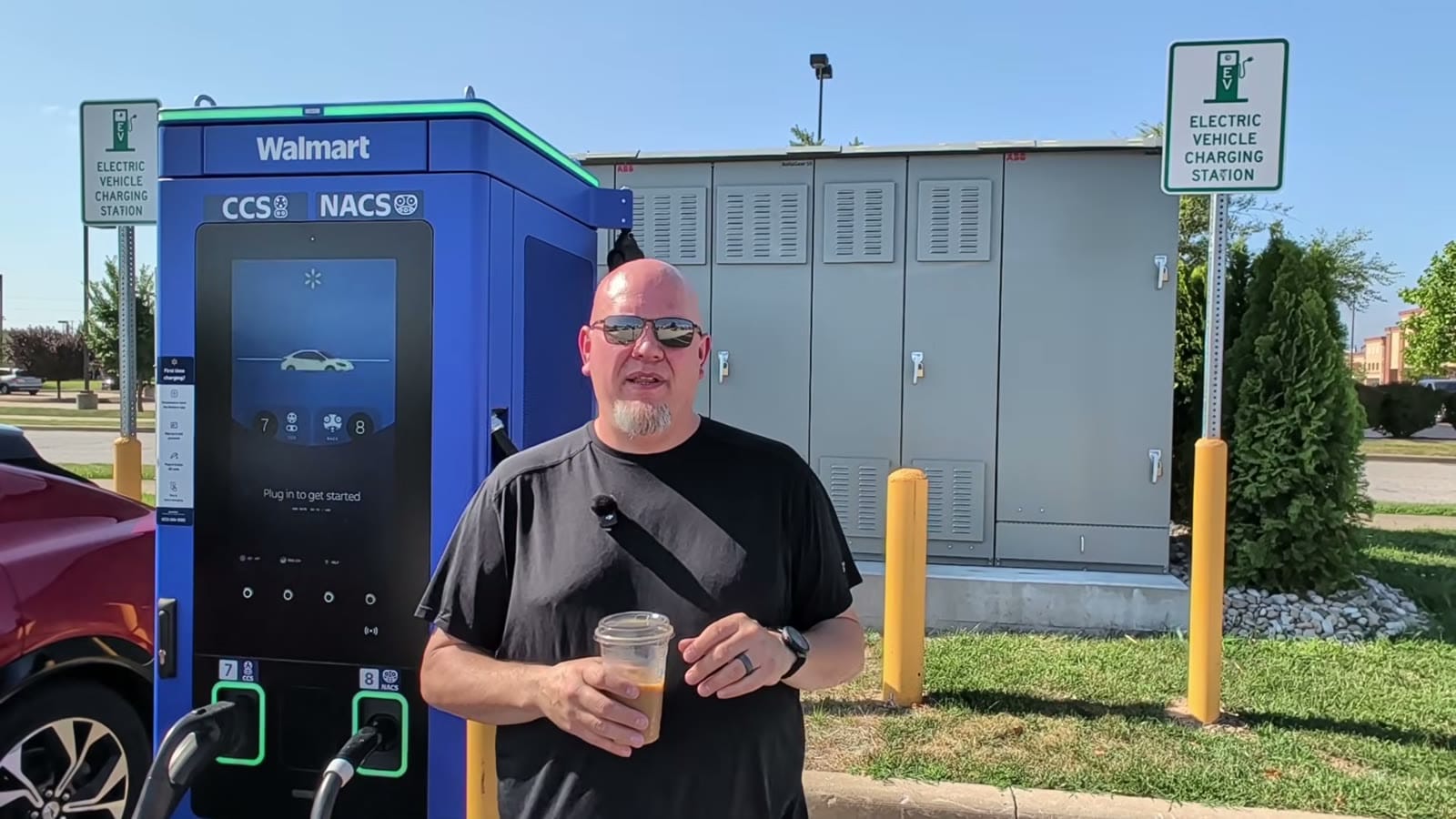
The charging numbers aren’t reading the new-car headlines either. According to Paren’s Q2 2026 State of the EV Charging Industry report, the US crossed 77,776 public DC fast-charging ports across 14,514 stations by the end of June — up roughly 30% year over year. Operators added 4,382 ports in the quarter alone.
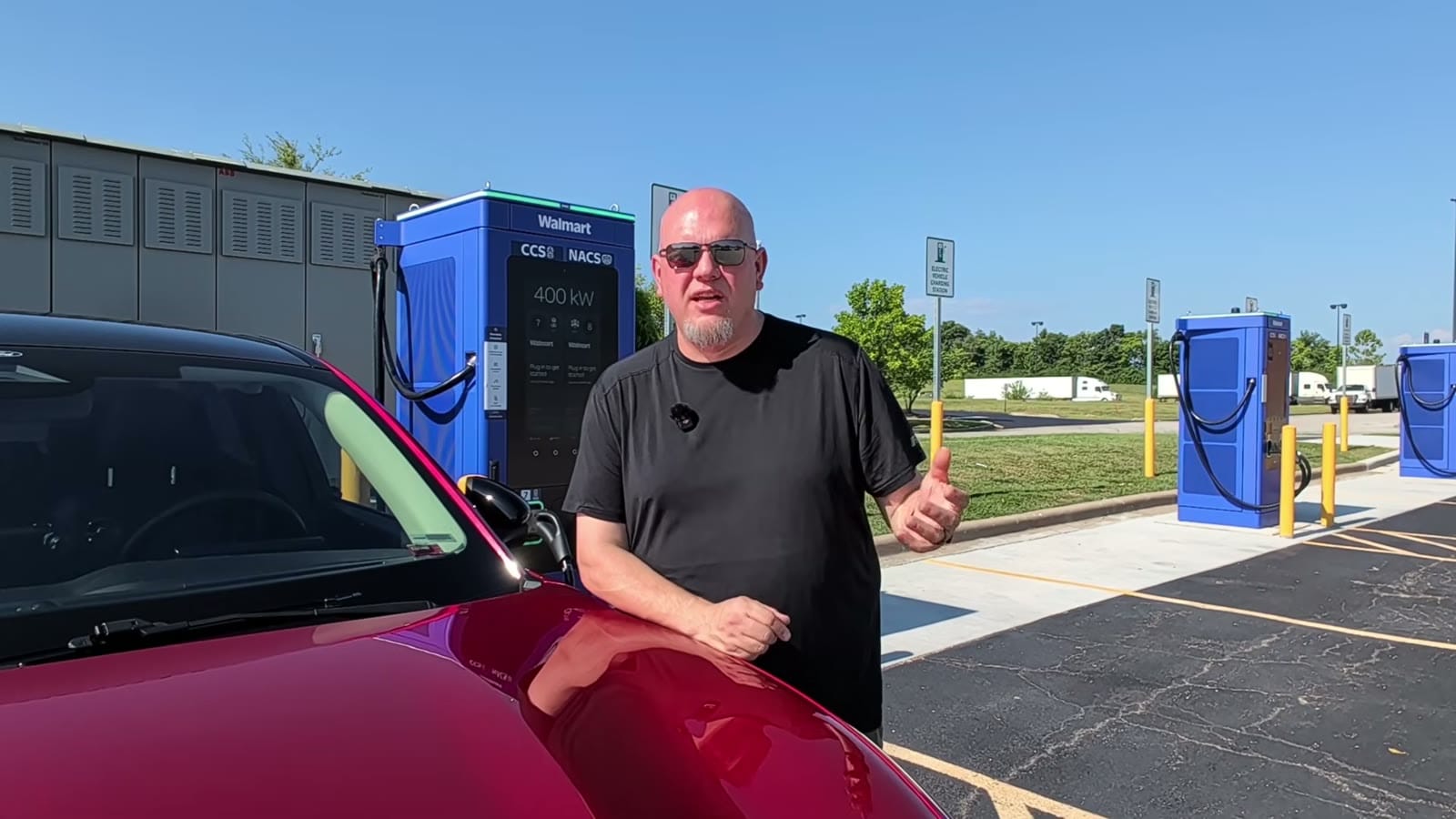
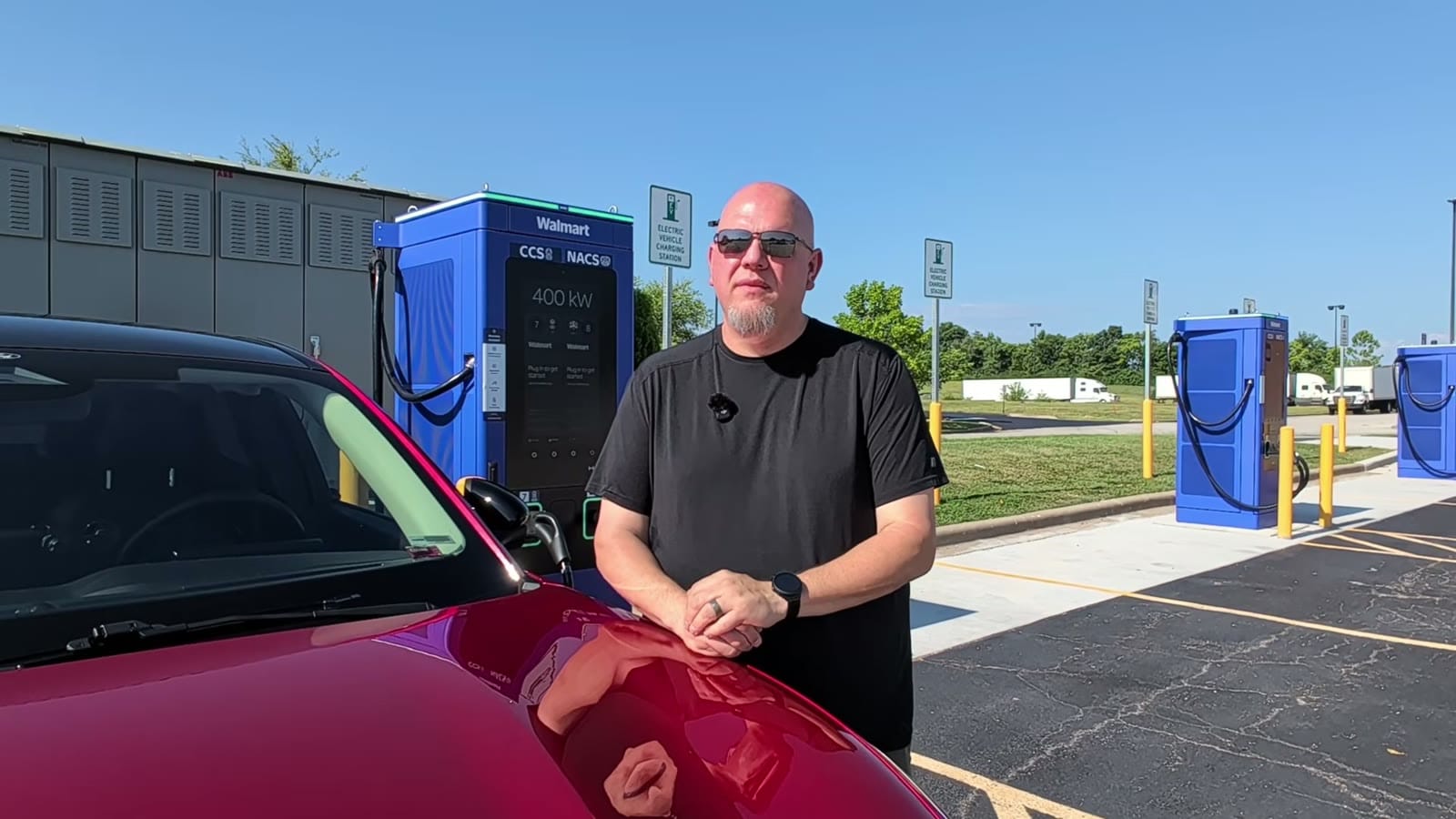
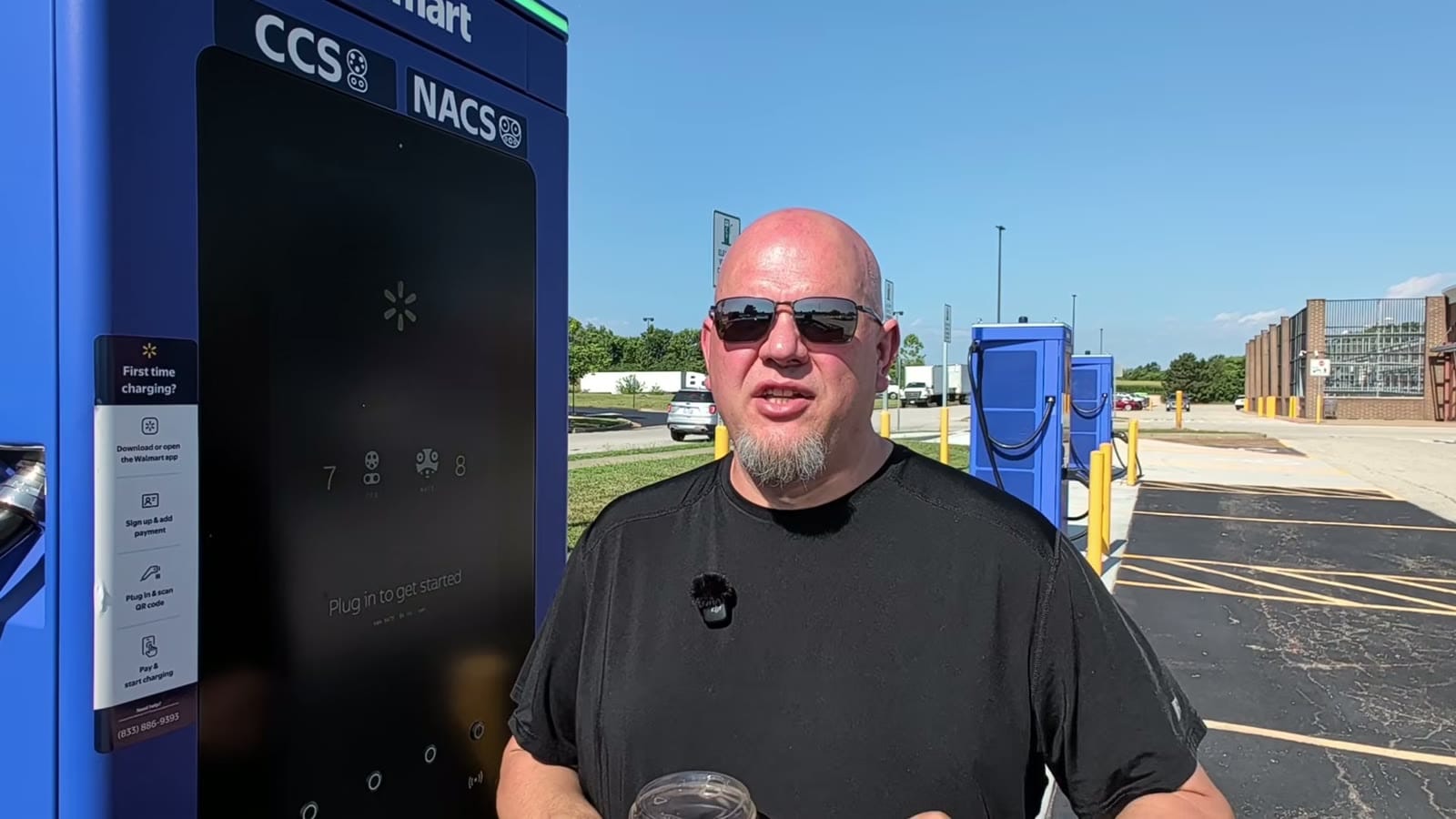
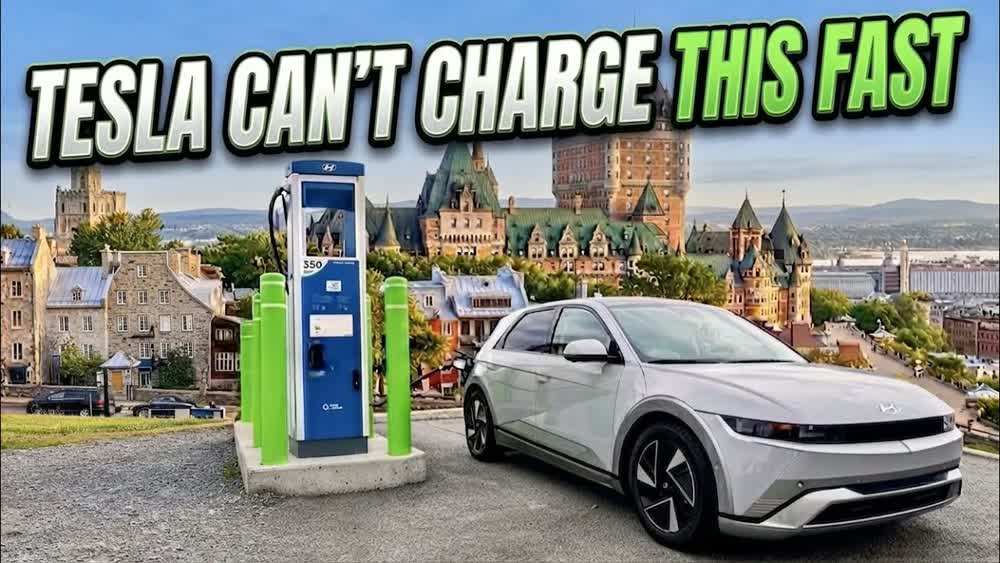
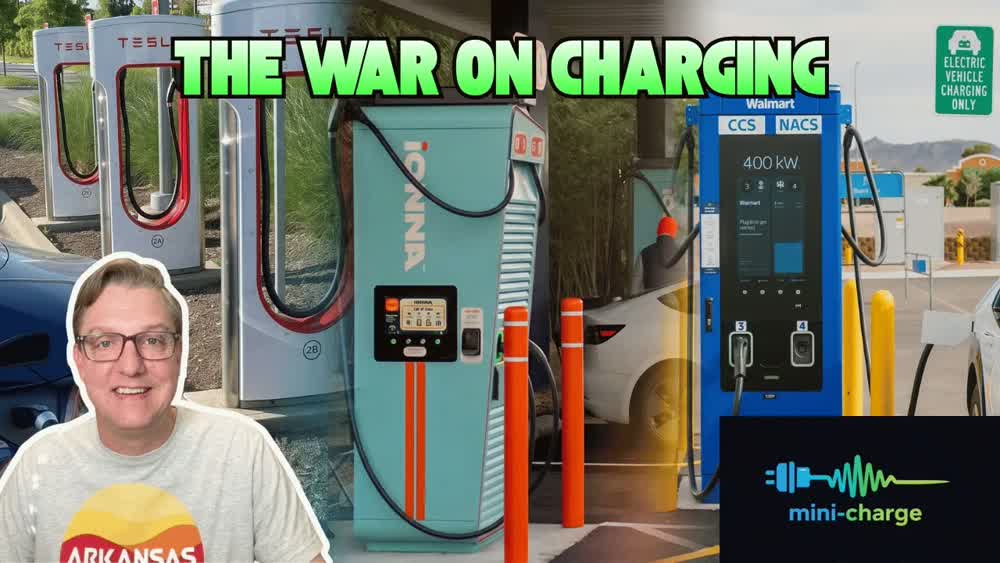
Tesla is still the volume king with 38,733 ports, but its share slipped to 49.8% — below 50% for the first time — as the non-Tesla field closes in. The breakout stories are the new builders: Ionna, the eight-automaker joint venture, passed 1,200 ports with 400 kW hubs that put both NACS and CCS on every stall; Walmart’s proprietary in-house network crossed 600 ports; and regional player Red E added roughly 580 ports in the first half. Meanwhile Electrify America and EVgo keep replacing unreliable first-generation hardware with next-gen 350 kW units.
Crucially, buildout is outrunning the vehicle fleet. Average utilization actually dipped to 15.6%, meaning shorter lines and less range anxiety, not more. And the power keeps climbing: roughly 67–72% of new ports deploy at 250 kW or higher, while NACS now accounts for over half of all new DC deployments. For a look at the models that are actually moving — and the ones that aren’t — see our rundown of the worst-selling EVs in America this July.
What the NEVI reboot tells us
The federal side is reaccelerating too. After the NEVI program was paused in early 2025 and relaunched with streamlined guidance in August 2025, states spent 2026 reissuing RFPs and breaking ground again. Tracking of federally funded builds shows the US crossed the 1,000 active operational NEVI-port milestone in the first half, adding 856 stalls since January 1. The leaders are EVgo (236 ports), Tesla (168, on open-access V4 cabinets), and Francis Energy (84), aggressively filling central-corridor gaps. Two-thirds of new NEVI ports deploy at 250–350+ kW — far above the 150 kW federal minimum — so the program is future-proofing, not just ticking boxes.
The bottom line
The “EV is dead” narrative is an illusion created by staring at one narrow slice of the automotive lifecycle. The reality on the ground: affordable used electric cars are flying off lots in 31 days, their owners are staying electric, and the charging grid is expanding ~30% a year with utilization still under 16%. New-car sales are simply resetting around price and product after a one-time subsidy ended — and they’re already clawing back, up 14.7% sequentially in Q2. The transition didn’t stall. It moved downstream, got cheaper, and got harder to stop.
Did EV sales actually collapse in 2026?
New-EV sales fell about 23% in the first half versus 2025, but that is a policy-driven correction, not collapsing demand. The $7,500 federal credit expired September 30, 2025, which pulled demand forward into Q3 2025 (a record 10.6% share) and left a smaller buyer pool afterward. The decline has narrowed every quarter — from -36% in Q4 2025 to -20.5% in Q2 2026 — and Q2 rose 14.7% sequentially. Cox Automotive frames that as stabilization, not a slide.
Why are used EV sales setting records with no tax credit?
Because the lease wave is now hitting. About 1.1 million EVs were leased in 2023–2025, and Cox expects roughly 300,000 to come off lease in 2026 alone. Dealers are pricing clean, low-mileage three-year-olds into the $20,000–$25,000 range, and used-EV inventory has tightened to 31 days — faster than gas. The used market is the affordable on-ramp that’s manufacturing tomorrow’s new-EV buyers.
Is public charging actually keeping up with EV adoption?
Yes. The US reached 77,776 public DC fast-charging ports by the end of Q2 2026, up about 30% year over year, with 4,382 added in the quarter. Utilization sits at just 15.6%, so most chargers aren’t crowded, and 67–72% of new ports run at 250 kW or higher. Tesla’s share slipped below 50% as Ionna, Walmart, Red E and others scale fast.
Sources: Cox Automotive / Kelley Blue Book — Q2 2026 EV Sales Report and 2026 Mid-Year Review (new & used EV volumes, market share, ATP, days’ supply); Cox Automotive EV Market Monitor (monthly trend, March–May 2026); Paren — State of the EV Charging Industry, Q2 2026 (77,776 DC ports, network breakdowns, utilization, NACS adoption); EVchargesavings — US DC Fast-Charging report, May 2026 (30% YoY growth, 15.6% utilization); Greencars — “NEVI Charging Network Reboots in 2026” (federal program relaunch); Electrek / KBB — Toyota and brand-level H1 2026 sales. Source video: The Amped Americano, “The ‘EV Is Dead’ Narrative Just Collapsed,” July 19, 2026.