The Leapmotor B10 is a roughly $32,000 electric SUV that’s already a hit in Europe and queued up for Canada — but a 100%+ US tariff keeps it off American roads. Here’s the US angle.
A proper Chinese EV, not a re-badge
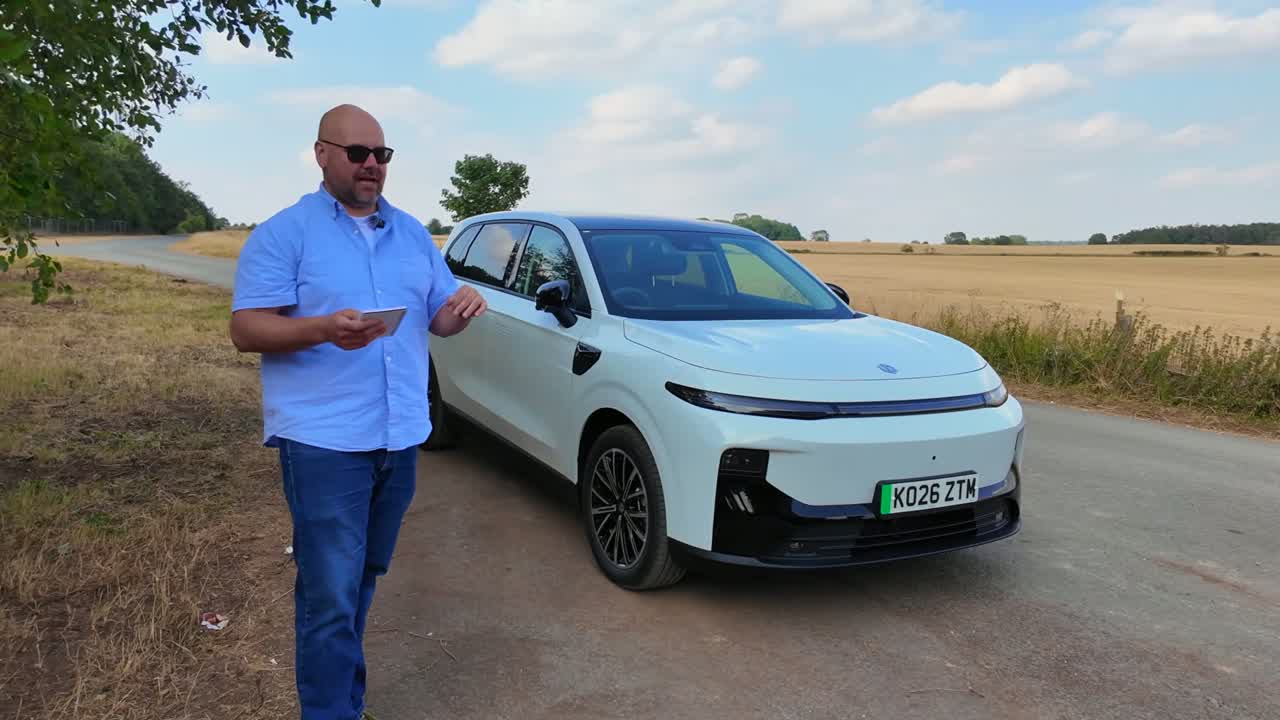
The B10 is Leapmotor’s “first global model” — a C-segment SUV (4,515 mm long, 2,735 mm wheelbase). What makes it feel like a genuine Chinese EV rather than a legacy conversion is the layout: a single rear-mounted motor making 160 kW (215 hp) and 240 Nm of torque drives the back wheels, paired with a 67.1 kWh battery good for 434 km (270 miles) on the WLTP cycle. A cheaper 56.2 kWh pack is also offered, rated at 361 km (224 miles). Leapmotor quotes 0–100 km/h in a respectable 8.0 seconds.

Charging is genuinely quick for the price: the B10 accepts DC fast charging up to 168 kW and refills 30% to 80% in about 20 minutes, with a 178 kW peak observed. Efficiency is a strong point too — around 15.1 kWh/100 km (roughly 4 miles per kWh), and a 100%-to-10% motorway run returned about 220 miles. The 2026 model uses a 400-volt architecture, with an 800-volt upgrade confirmed for 2027.
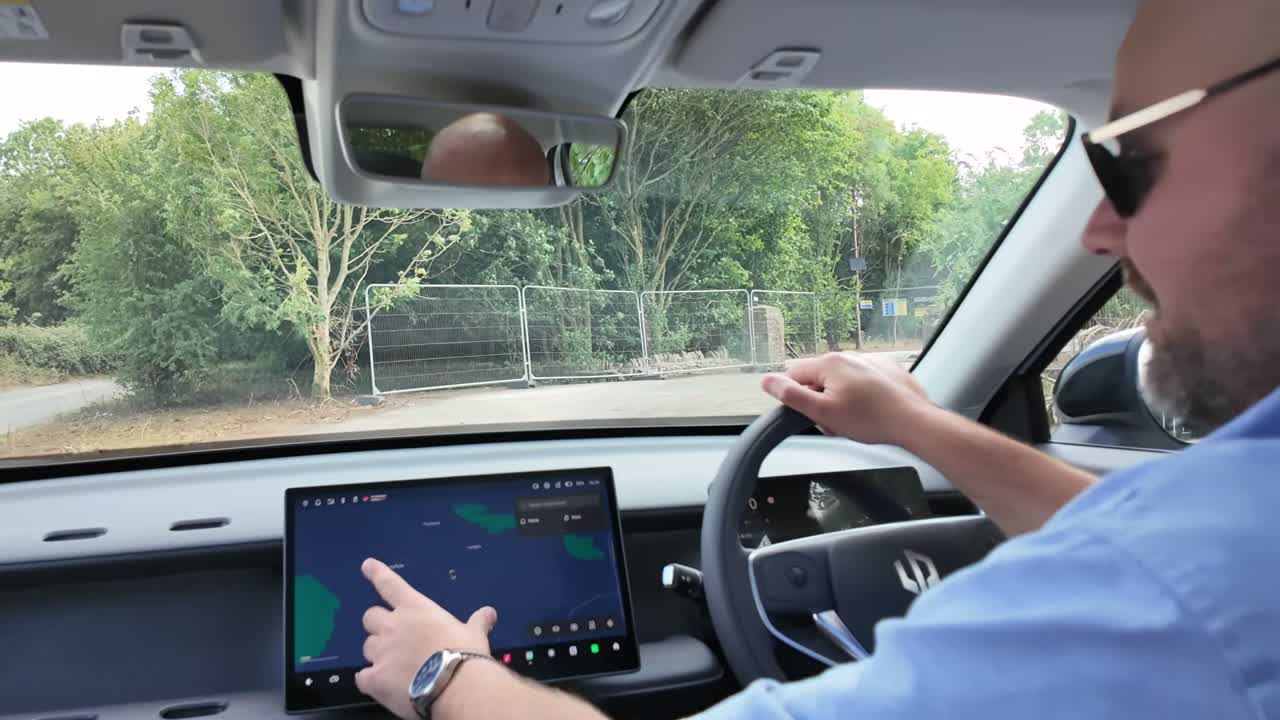
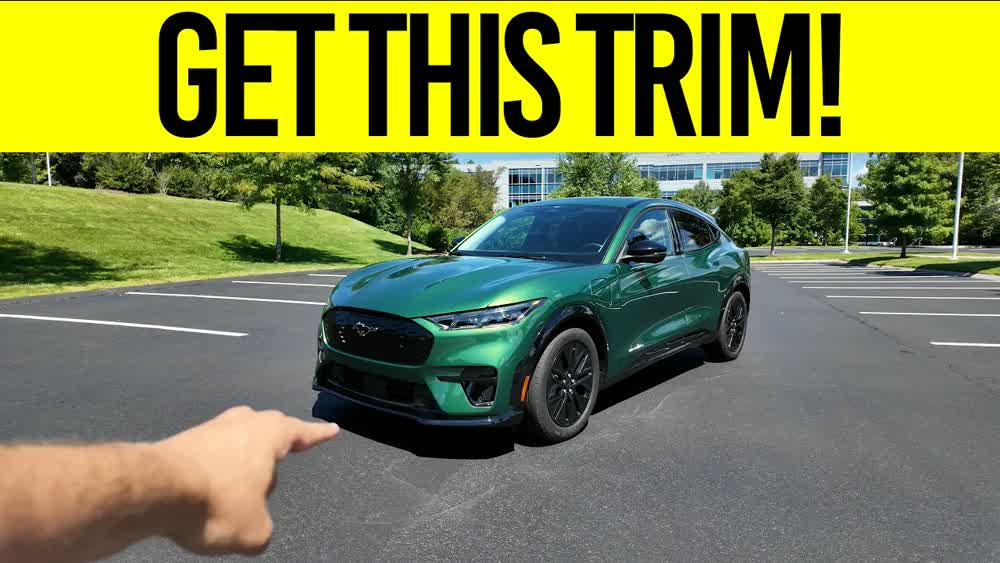
True to the brand’s “everything as standard” philosophy, there is essentially one trim. Heated and ventilated front seats, a panoramic glass roof, a 14.6-inch infotainment screen with an 8.8-inch driver display, V2L, a 12-speaker audio system, and 17 ADAS features all come included; the only choices are interior color (gray or black) and one of six exterior paints. That generous equipment list is why European reviewers call it exceptional value.
Why a Chinese startup sells through Chrysler dealerships
The reason a 10-year-old Chinese brand can scale across Europe almost overnight is Stellantis. In October 2023, Stellantis invested about €1.5 billion for a roughly 21% stake, making it the largest shareholder. More importantly, the two formed Leapmotor International (LPMI), a joint venture owned 51% by Stellantis and 49% by Leapmotor, with exclusive rights to sell and build Leapmotor products outside Greater China.

That structure means the B10 is, in practice, a Stellantis product: it sits on Stellantis dealer lots, is tuned with Stellantis engineering input, and carries a 4-year/60,000-mile warranty (8 years/100,000 miles on the battery). LPMI now runs more than 850 sales and service points across Europe and logged over 40,000 deliveries there in 2025 alone, making Leapmotor a top-three Chinese pure-EV brand in Europe by sales.
Manufacturing is following the sales. Stellantis has confirmed the B10 will be built at its Figueruelas plant near Zaragoza, Spain, from the second half of 2026, sharing a line with a future electric Opel C-SUV; a second Spanish site in Madrid is earmarked for Leapmotor models from 2028.
Europe loves it; Canada is next
In Europe the B10 opened at a list price from €29,900 (about $32,300), with the UK at £29,995 on-the-road including a £1,500 grant. For that money buyers get the 270-mile WLTP range, fast charging, and the full equipment list — which is why it undercuts established C-segment rivals on paper, betting that “advanced features without a premium price” resonates in the continent’s most competitive EV segment.
Canada is the next frontier. Stellantis — holder of that ~21% Leapmotor stake — has discussed assembling B10 models at its idle Brampton, Ontario plant using CKD or SKD kits. The timing matters: in January 2026 Canada cut its Chinese-EV tariff from 100% to 6.1%. Analysts estimate a Canadian B10 would land around CA$37,000–$39,000, a standout value north of the border.
But the Canadian route is politically fraught. The Unifor union, Industry Minister Mélanie Joly, and Ontario Premier Doug Ford have all pushed back, arguing that kit assembly creates few local jobs and shuts out suppliers like Magna — even though Stellantis took a C$529M Brampton subsidy for electric Jeeps it later moved to Illinois. The Canadian “yes” is far from settled, yet the direction of travel points to North America.
How the B10 stacks up against US-market rivals
For an American reader, the natural question is how the B10 compares with what’s already in showrooms. On paper it slots into the affordable compact-SUV class, and its price is strikingly close to domestic options — before any tariff is applied.
| Model | Starting price | Battery / range | Power & drive | DC fast charge |
|---|
| Leapmotor B10 (67.1 kWh) | ~€29,900 (≈$32,300) | 67.1 kWh / 270 mi WLTP | 215 hp, RWD | 168 kW, 30–80% in ~20 min |
| Chevy Equinox EV (2026) | $34,995 | 319 mi EPA (FWD) | FWD / available AWD | ~150 kW class |
| Hyundai Kona Electric (2026) | ~$33,000 | 200–261 mi EPA | up to 201 hp, FWD | 100 kW, 10–80% in ~41 min |
The B10’s edge is rear-wheel-drive dynamics and a notably fast charge for the money; the Equinox EV wins on outright EPA range (319 miles) and the Kona on brand familiarity. But note the price line: at roughly $32,000, the Chinese SUV is priced below both American rivals — exactly what the US tariff erases. For context on how Beijing’s manufacturing scale reshaped the supply chain, see our breakdown of China’s EV factory boom and its impact on US buyers.
The 100%+ US tariff wall
Here is the hard stop. Under the Section 301 review finalized in 2024, the US raised the tariff on Chinese-made EVs from 25% to 100%, effective September 27, 2024, plus the standard 2.5% duty — a combined 102.5%. The duty is assessed on country of origin, so any vehicle built in China carries it regardless of brand. A B10 priced at ~$32,300 before tariff would land at roughly $65,000 once the duty stacks on — instantly uncompetitive against the Equinox EV and Kona Electric at $33,000–$35,000.
US launch likelihood before 2030
Value for money (European pricing)
It does not help that the US playing field shifted underneath domestic buyers too. The federal $7,500 Clean Vehicle Credit (IRC §30D) expired on September 30, 2025, so even American-built EVs no longer carry that discount. Until a Chinese compact SUV like the B10 clears that wall, American shoppers hunting affordable electric utility are pointed toward domestic models — including the picks in our guide to the best electric trucks worth buying in America in 2026.
One subtlety: because Stellantis owns the international JV, you might assume a Chrysler dealer could simply import the B10. They cannot — the tariff follows the car’s Chinese origin, not its corporate parent, so the US is the clearest block of all.
Could the B10 ever reach America?
There is exactly one realistic path: build it in North America. A vehicle assembled in the US or Canada that meets USMCA rules of origin would not be “Chinese-origin” and would escape the 102.5% duty — the same logic behind the Canadian CKD plan, and in theory a US plant could follow. Leapmotor’s Spanish and proposed Canadian kit-assembly playbook shows the company is willing to localize production to dodge tariffs.
In practice, a US arrival is years away. No US assembly site has been announced, and the political climate is hardening: the 100%+ tariff was designed to keep Chinese-branded EVs out, and a North American kit plant would draw the same union and supplier objections already dogging Canada. Even optimistic timelines put meaningful US volume after 2030, if at all. For now the B10 shows what American buyers are missing while the US watches from behind its tariff wall.
How much does the Leapmotor B10 cost in Europe?
Leapmotor opened European order books at a list price from €29,900 for the 67.1 kWh version, with the UK at £29,995 on-the-road including a £1,500 grant. Prices vary slightly by country — France, Belgium and Luxembourg list around €28,400, while Italy starts near €26,900 — but the headline figure is sub-€30,000.
What does Stellantis actually own in Leapmotor?
Stellantis bought roughly a 21% stake in Leapmotor for about €1.5 billion in October 2023, making it the largest shareholder. The two then formed Leapmotor International, a joint venture owned 51% by Stellantis and 49% by Leapmotor, with exclusive global sales and manufacturing rights outside Greater China.
Why can’t Stellantis just sell the B10 in US dealerships?
Because the 100%+ US tariff is applied by country of origin, not brand ownership. The B10 is built in China, so importing it would trigger the 102.5% combined duty regardless of Stellantis’ stake. Only North American assembly meeting USMCA rules of origin would bypass that wall, and no such US plan exists.
Sources: Stellantis media (Leapmotor B10 UK press information; Leapmotor International JV structure, May 2024 & May 2026 partnership expansion); Leapmotor International price list (Belux, July 2026); ArenaEV “Leapmotor B10 enters Europe with sub-€30,000 price tag”; electrive.com “Leapmotor eyes Canadian production at Stellantis facility” (Apr 2026); US Trade Representative / USTR Section 301 tariff action (Chinese EV duty raised to 100%, effective Sept 27, 2024); Chevrolet.com 2026 Equinox EV specifications; The Charge Port / KBB 2026 Hyundai Kona Electric pricing and range; Simply Gregster EV source video review (WgjU06raHCk).