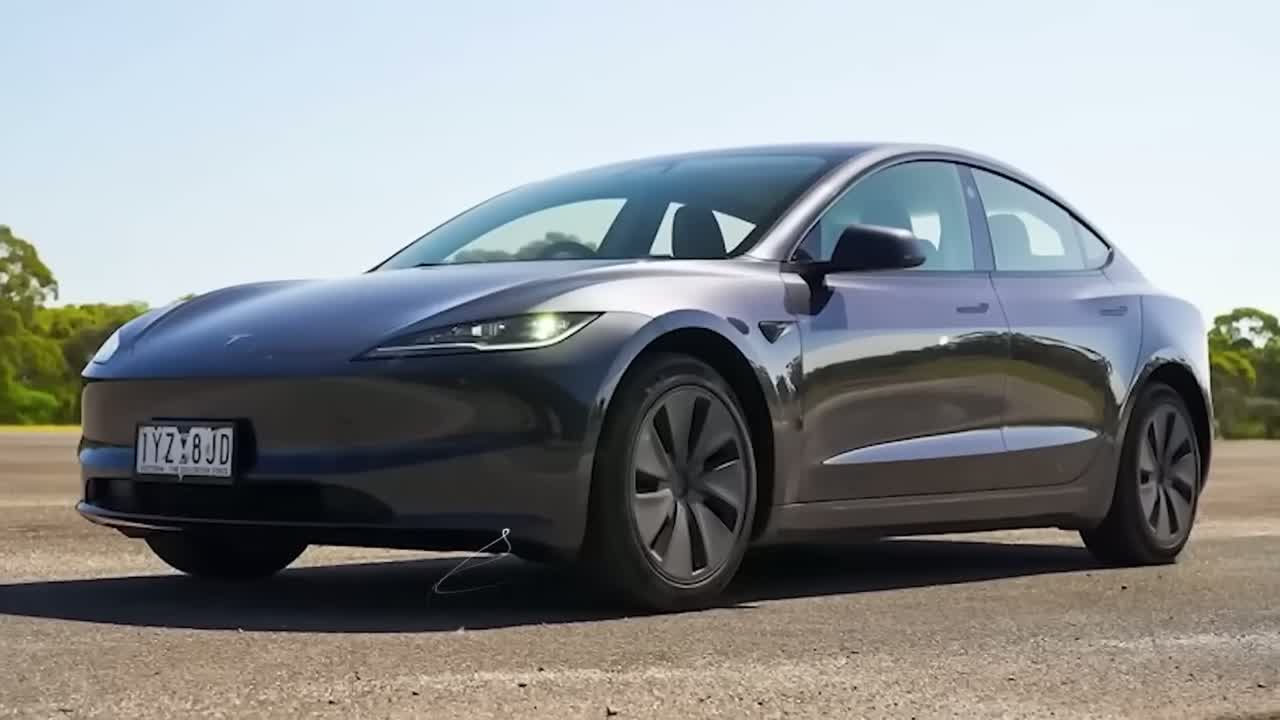
A new video is making the rounds with a promise too good to ignore: Tesla has a battery that “ends the lithium era forever.” It is a thrilling story. It is also, almost entirely, not what is happening. The real 2026 battery story at Tesla is quieter, more credible, and far more important to your next car payment — and it still runs on lithium.
What the video actually claims
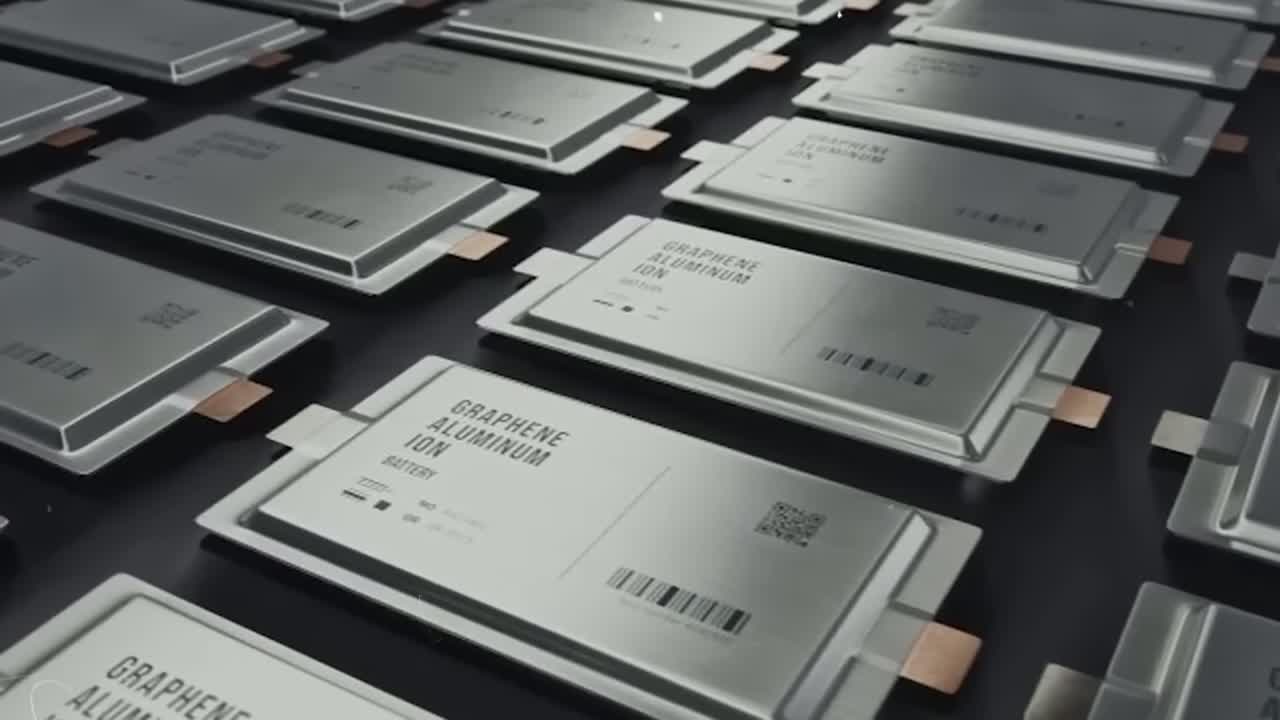
The clip frames the moment as a clean break with the past: after more than a decade of lithium dominance, a “completely different approach to energy storage” built around aluminum — one of the most abundant and inexpensive metals on Earth — could charge faster, last longer, cost less, and free the world from minerals mined by a handful of countries. If true, it would reshape not just cars but airplanes, phones, and power grids.
The emotional pull is real. The reporting behind it, less so. The video mixes a genuine scientific frontier — aluminum-ion and other post-lithium chemistries — with language that implies Tesla has a shipping product. It does not. Separating the two is the whole point of this article.

The reality check: Tesla’s 2026 win is manufacturing, not a lithium exit
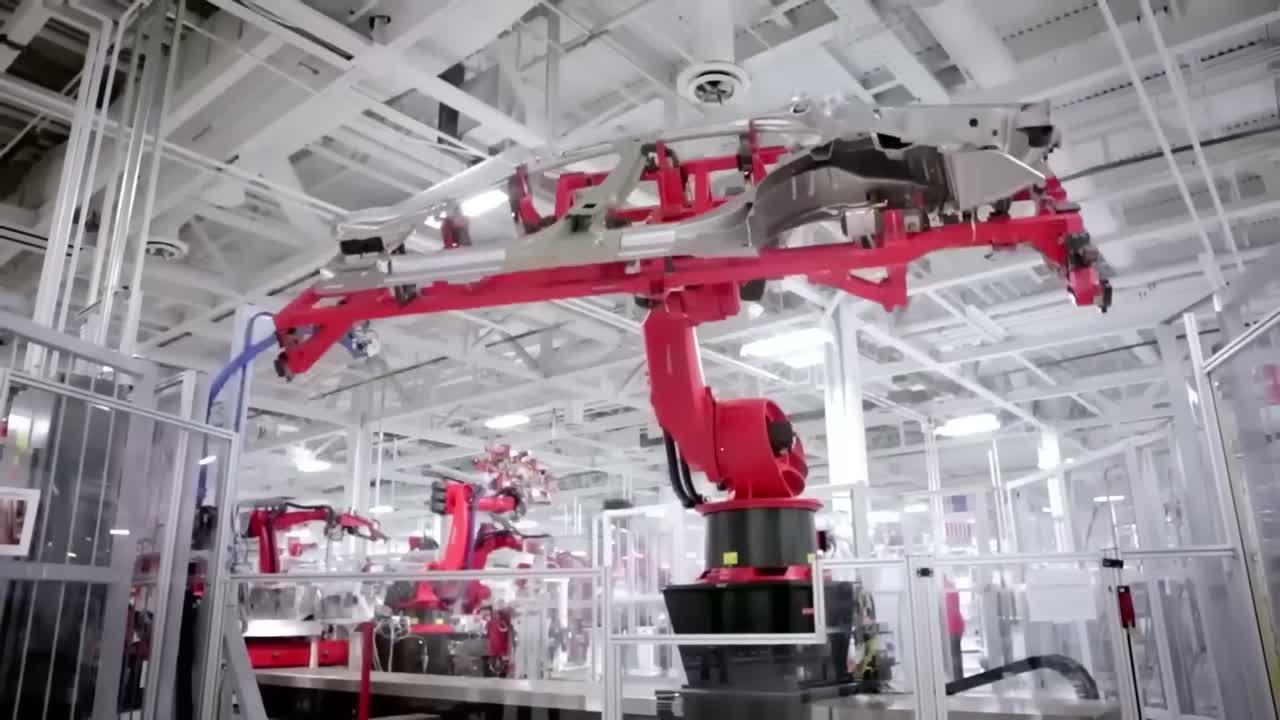
Here is the part the hype leaves out. Tesla’s actual battery headline in 2026 is the 4680 cell with full dry-electrode production, which the company confirmed it reached at its Austin, Texas, factory in early 2026. That is a genuine milestone — dry electrode eliminates toxic solvents, cuts factory energy use by roughly 30%, and lowers capital spending by about 41%. But the chemistry is still lithium-based high-nickel NMC. Tesla is not leaving the lithium era; it is learning to build lithium batteries far more cheaply.
The tell is what Tesla built next to the cell line: a lithium refinery in Robstown, Texas, which became operational in January 2026. The first spodumene-to-lithium-hydroxide refinery in North America is the opposite of an exit from lithium — it is a billion-dollar bet that lithium supply is the constraint worth controlling. If Tesla believed aluminum was about to make lithium irrelevant, it would not be spending a year’s output on lithium refining.
The most important battery breakthrough of 2026 isn’t the one that ends the lithium era — it’s the one that finally learned how to build lithium batteries cheaply.
How the “aluminum battery” claim got started
Aluminum-ion batteries are real science. Research groups and a few startups have demonstrated cells that charge in seconds and use abundant materials. But they sit years from automotive grade on two hard problems: energy density and cycle life. A lab cell that charges fast but stores half the energy of lithium, and fades after a few hundred cycles, is not a car battery. No automaker — Tesla included — has announced a production aluminum-ion EV cell.
So when a video says “Tesla and scientists across the world have been exploring” aluminum storage, read that as research interest, not a roadmap. Exploration is not a product. The honest signal is the one Tesla itself ships and brags about: cheaper lithium cells, not lithium-free ones.
The deep research: how Tesla stacks up in 2026
To judge the hype, put Tesla’s cell next to the field. The numbers below come from BloombergNEF’s 2025 price survey and public teardowns of leading cells.
| Cell / chemistry | Maker | Energy density | Est. cost | Fast-charge | Status (2026) |
|---|
| 4680 dry-electrode (NMC) | Tesla | ~272 Wh/kg | Lowest capex | Moderate (drops below 100 kW past 35% SoC) | Mass production |
| Qilin 3 | CATL | ~280 Wh/kg | Premium | ~6-minute full charge | 2026 Tech Day |
| Blade 2.0 (LFP) | BYD | 160–210 Wh/kg | $55–$61/kWh (lowest) | Good | Production |
| Solid-state | Toyota | Targeting parity+ | High (early) | Target fast | Pilot, ~2027–28 |
| Sodium-ion | GM / CATL | Lower | Very low | Good | Early commercial |
Two things jump out. First, Tesla’s 4680 at 272 Wh/kg actually trails CATL’s Qilin 3 at 280 Wh/kg by about 3%, and sits well behind CATL’s condensed-matter cell near 350 Wh/kg on cell-level density. Second, on charging, Tesla’s cylindrical cell loses steam deeper into the curve, while CATL sustains higher rates. Where Tesla leads is cost of manufacturing — the dry process no rival has matched at scale.
Evidence Tesla has a shipping lithium-free battery
~12%
Evidence Tesla cut lithium-cell cost via dry electrode
~88%
Hype vs. confirmed: “Ends the lithium era”
~20%
Cross-market: why US buyers pay more than China
This is where the lithium story meets your wallet. According to BloombergNEF’s 2025 Lithium-Ion Battery Price Survey, average pack prices fell 8% to a record $108/kWh globally. But the spread is brutal: China averaged $84/kWh, while North American packs ran about 44% higher and European packs about 56% higher. BEV packs specifically hit $99/kWh — the second year below the symbolic $100 line.
The gap exists because China controls roughly 65% of global lithium-hydroxide processing and runs massive, mature cell capacity. A US buyer is paying for a smaller, tariff-shaped supply chain. Tesla’s Texas refinery and dry-electrode line are explicitly an answer to that — a “tariff hedge” as much as a tech leap. For American shoppers, cheaper lithium cells matter more than a mythical aluminum cell that isn’t coming.
Cross-time: the cost curve that actually ended an era
The “lithium era” isn’t ending — it’s getting dramatically cheaper. Battery pack prices have fallen about 93% since 2010, when a pack cost roughly $1,474/kWh in real terms. In 2020, Tesla’s Battery Day promised 4680 would lift energy 5x, cut cost 56%, add 16% range and 6x power over the older 2170. Those promises slipped for years; by 2026 the dry-electrode version is finally delivering on the manufacturing half.
Every factual claim here traces to a number or a named source — BloombergNEF’s price survey, Tesla’s own production disclosures, and CATL/BYD teardowns. The pattern is consistent: the confirmed wins are about cost and control of lithium, not about leaving lithium behind.
What it means for you
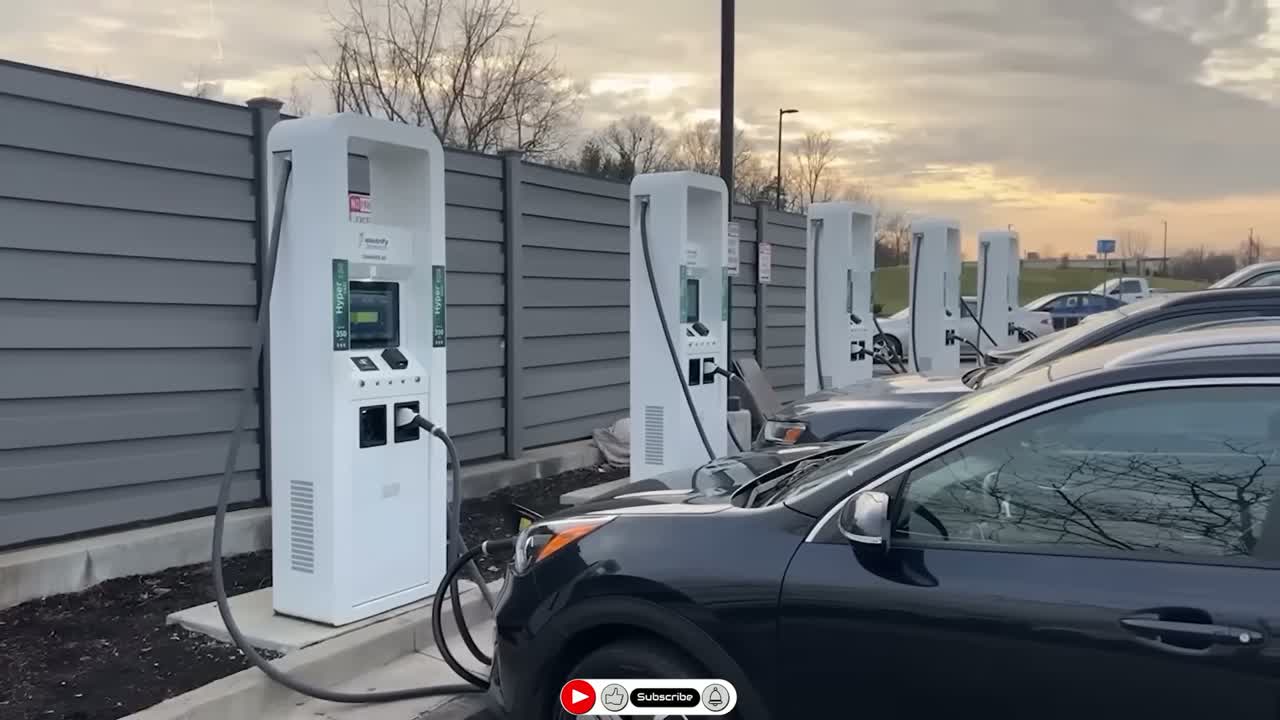
If you are shopping for a US EV in 2026 or 2027, the takeaway is practical. Expect Tesla’s cheaper dry-electrode 4680 to show up as modest price relief and supply security on Model Y, not as a miracle aluminum pack. Expect BYD’s LFP Blade to keep setting the low-cost floor around $55–$61/kWh, and CATL’s Qilin 3 to keep setting the fast-charge bar at roughly six minutes. Solid-state from Toyota remains a 2027–28 story, not a today story.
The “end of the lithium era” is a great headline. The real shift — lithium batteries that are finally cheap, local, and good enough — is a better one, and it is already here.
Frequently asked questions
Did Tesla announce an aluminum battery that replaces lithium?
No. Tesla has not announced a production aluminum-ion EV cell. Its confirmed 2026 milestone is the 4680 with full dry-electrode manufacturing, which remains lithium-based high-nickel chemistry. Aluminum-ion exists in research labs but is years from automotive grade on energy density and cycle life.
Is lithium really getting cheaper, or more expensive?
Cheaper. BloombergNEF’s 2025 survey puts global average pack prices at a record $108/kWh, down 8% year over year, even as lithium and cobalt metal prices rose. The industry absorbed the shock by shifting to LFP and hedging. Prices are down about 93% since 2010.
Why do US EVs cost more than Chinese EVs?
Battery packs. China averaged $84/kWh in 2025 versus roughly 44% higher in North America, driven by China’s dominance in lithium processing (~65% of global hydroxide) and mature cell capacity. Tariffs and a smaller local supply chain widen the gap for US buyers.
Who leads on charging speed and density in 2026?
CATL’s Qilin 3 leads on both fronts cited here — about 280 Wh/kg and a roughly six-minute full charge — edging Tesla’s 4680 (272 Wh/kg, moderate curve). BYD leads on lowest cost per kWh with LFP Blade.
Related reading on EVCUBE
Sources
Where do you land? Would you bet your next car on an aluminum battery that exists only in lab papers, or on a lithium battery Tesla can finally build for half the cost? Drop your take in the comments — and tell us which 2026 cell you’d actually trust in your driveway.