Tesla Robotaxi Just Expanded to Two More Cities — Here’s What Changed
July 23rd, 2026
By EVCUBE .NET
No Comments
Tesla Robotaxi Just Expanded to Two More Cities — Here’s What Changed
EV Market Analysis · Autonomous Ride-Hailing
Tesla Robotaxi Just Expanded to Two More Cities — Here’s What Changed
On July 21, 2026, Tesla flipped the switch on robotaxi service in Tampa and Orlando, Florida — both fully unsupervised, with nobody in the driver’s seat. It looks like a small geographic update. It’s actually the clearest signal yet of how Tesla intends to scale a driverless network across the United States.
Tampa and Orlando join Tesla’s live robotaxi map — both launched unsupervised on the same day.
Two Cities, Same Day, Nobody Behind the Wheel
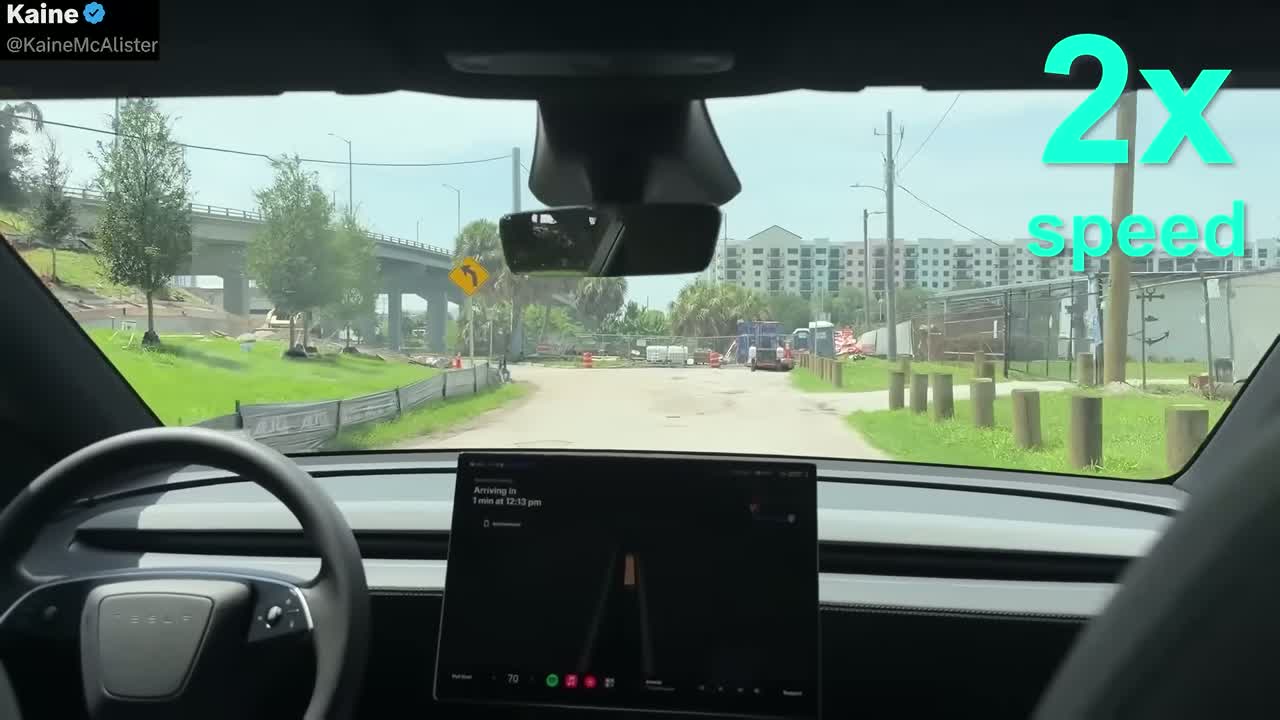
Tesla’s official Robotaxi account announced the expansion on the morning of July 21. What makes this different from a typical “now available in X” software checkbox is the operating mode: according to Tesla AI chief Ashok Elluswamy, the Florida service is running without safety drivers or any supervisor in the cabin. A first-hand Tampa rider who captured the experience described a “smooth” six-minute trip in a car with “nobody in this car,” on roads he said he’d be “afraid to drive by myself.”
That matters because launching unsupervised on day one in a new market is the hard part of autonomy. Any competitor can demo a supervised car. Very few will put an empty vehicle on public streets in a brand-new city and bet their reputation on it.
Early geofences are compact — Tampa covers West Tampa, Tampa Heights, Hyde Park and downtown; Orlando wraps the tourist core near SR-417 and SR-528.
The Live Map: Seven Regions, One Pattern
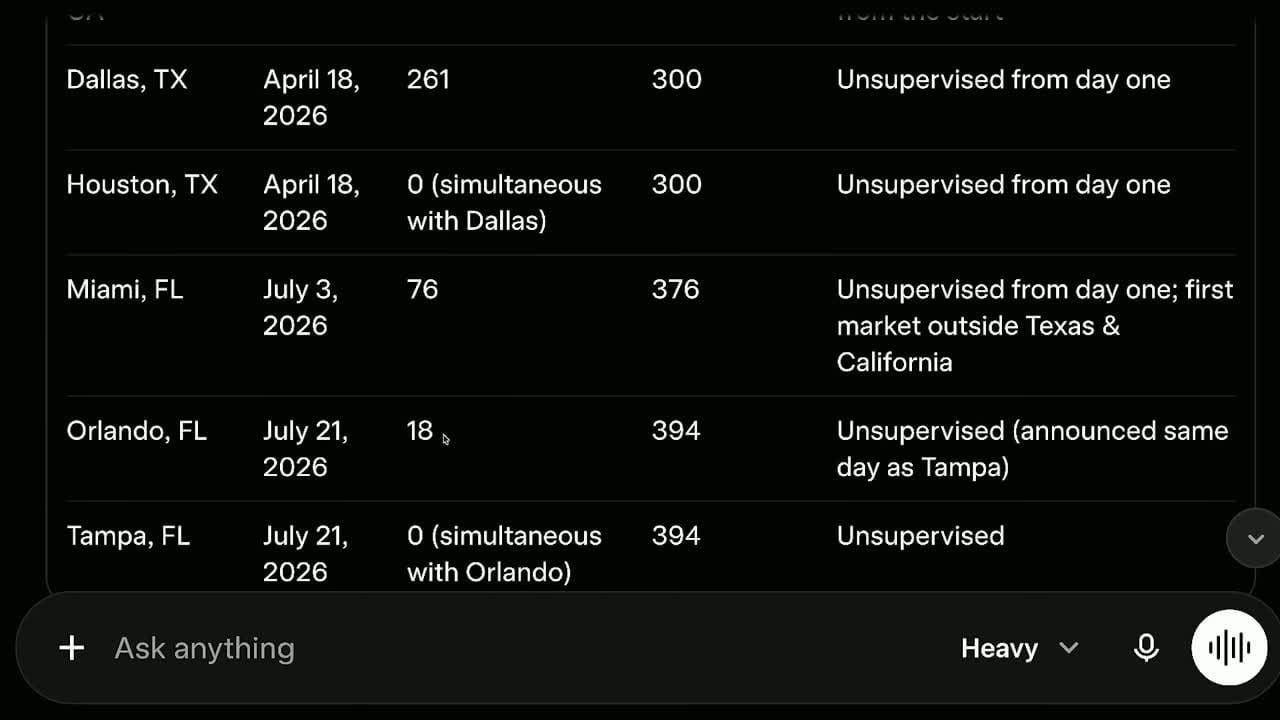
With Tampa and Orlando online, Tesla is now operating in seven US regions. The throughline is not random — it’s a deliberate march through the highest-population, most ride-hail-hungry metros first.
Region
Mode
Launch
Notes
Austin, TX
Unsupervised (ramping)
Jun 2025
First market; some rides now no monitor
Dallas, TX
Unsupervised
Apr 18, 2026
Compact initial geofence
Houston, TX
Unsupervised
Apr 18, 2026
Same-day twin launch with Dallas
Miami, FL
Unsupervised
Jul 3, 2026
First Florida city
San Francisco Bay Area, CA
Supervised
2025
CA law requires a safety driver
Orlando, FL
Unsupervised
Jul 21, 2026
Tourist-core geofence, ~25–45 sq mi
Tampa, FL
Unsupervised
Jul 21, 2026
Central neighborhoods + downtown
Sources: Tesla Robotaxi disclosures, Teslarati reporting (Jul 21, 2026), and the BASENOR Tesla Robotaxi Tracker (updated Jul 10, 2026). Note the split: Texas and Florida markets run unsupervised, while California remains supervised because state rules still mandate a safety driver.
Why Texas Is the Template
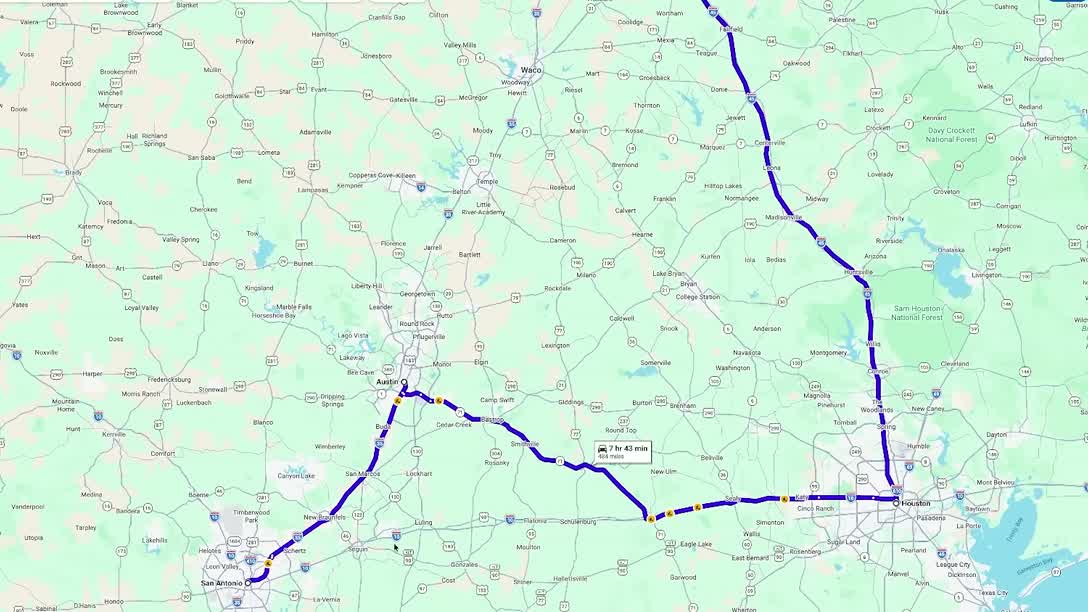
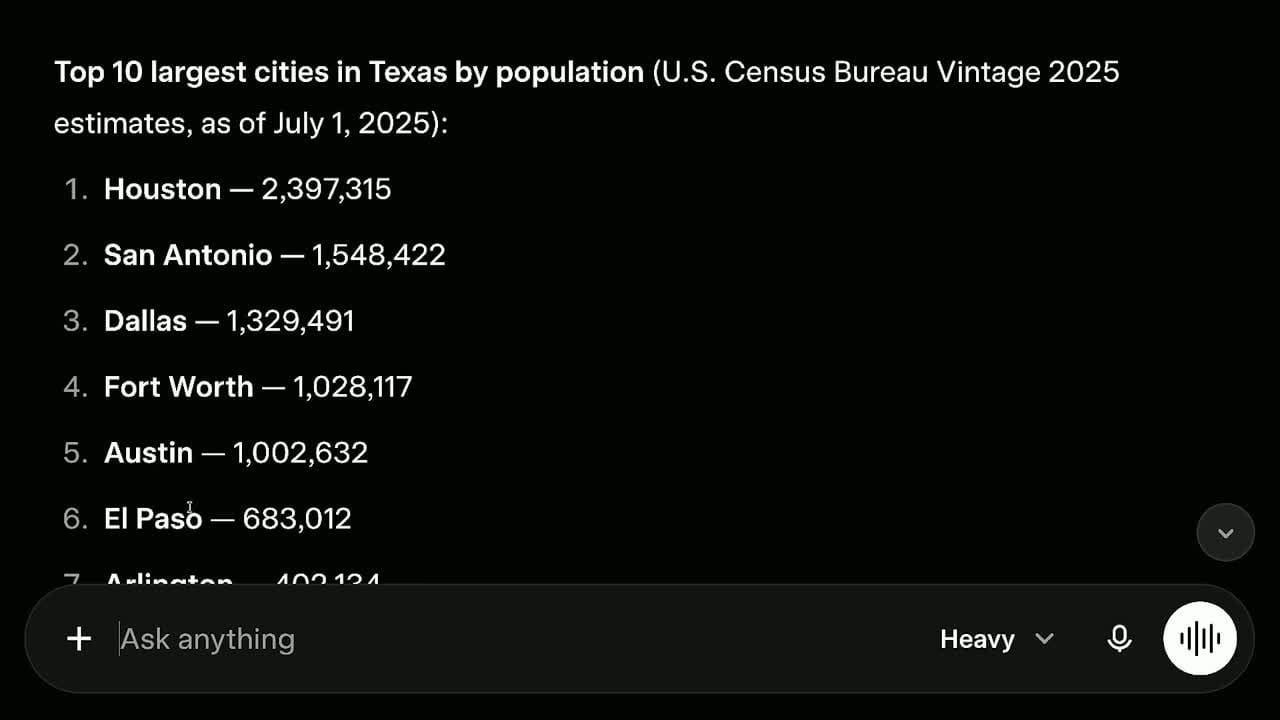
The most revealing detail in the rollout isn’t a city — it’s the shape of the city list. Five of Tesla’s early Texas targets are the five most populous cities in the state: Houston, San Antonio, Dallas, Fort Worth, and Austin. That’s not coincidence; it’s population math. The jump from the #5 city to #6 in Texas is steep — nearly 2.1 million to roughly 1.5 million and then a plunge below 700,000. Early launch cities are where the per-stop utilization is highest.
San Antonio is the tell. Tesla has sought zoning approval for a dedicated robotaxi charging facility there with 56 charging stalls for its private fleet, not the public — and is eyeing a second site near San Antonio International Airport. You don’t pre-build private charging farms in a city unless you plan to operate there. It’s the same playbook Honda and Cruise used in Tokyo and Waymo uses in Phoenix: secure the depots before you scale the cars.
Three tiers of Tesla’s 2026 rollout
Live & unsupervised (TX + FL) Live but supervised (CA) Announced / prepping (NV, AZ, more)
Tesla’s near-term edge is regulatory: states like Texas and Florida let it run driverless now, while California keeps it supervised.
The Safety Bar Is the Whole Story
The reason this is a big deal is the asymmetry of risk. A smooth launch is quiet; a single at-fault collision involving a driverless Tesla would be front-page news for months. Tesla knows this. Launching fully unsupervised in a new city on day one only happens if the company is “extremely confident there wouldn’t be major issues” — and the fallout from a safety-critical incident would be catastrophic from a PR standpoint.
The data behind that confidence is real. Tesla has said it wanted on the order of 10 billion miles of real-world driving before trusting unsupervised deployment — and as of May 2026, cumulative FSD mileage had already crossed 10 billion miles globally. That’s the reservoir a day-one unsupervised launch draws from.
Tesla frames safety as the non-negotiable constraint — everything else, including expansion pace, is secondary.
Tesla vs Waymo: Different Paths to the Same Map
It’s impossible to talk about robotaxi scale without the obvious comparator. Waymo operates in five cities (Phoenix, San Francisco, Los Angeles, Austin, Miami) with plans for 20+ more, and it arrived first in several markets. Tesla’s approach is the inverse: fewer live markets today, but a faster, software-driven geographic expansion once a state signs off, leaning on the existing Model Y platform rather than a purpose-built vehicle.
The real inflection point is the Cybercab rollout at Giga Texas, which is meant to replace the Model Y as the robotaxi workhorse. Until then, Tesla is proving the network and the economics on borrowed hardware.
What It Means for the Network — and for Buyers
The two-city Florida launch is a template, not an endpoint. Tesla has targeted unsupervised operation in roughly a dozen US states by the end of 2026, and the pattern — high-population metros, pre-built charging, unsupervised from day one where law allows — is now visible. For riders, that means the service area you can summon a car in keeps widening. For investors, it’s evidence the rollout is a managed network build, not a science project.
None of this is a reason to overhaul a Tesla ownership decision today. But it is the clearest answer yet to the question “when does this become a real business?” — the map is filling in, city by city, and the empty driver’s seat is the point.
Is the Tesla robotaxi actually driverless in these new cities?
In Tampa and Orlando, yes — Tesla confirmed the Florida service runs without a safety driver or in-cabin supervisor. In the San Francisco Bay Area, California regulations still require a safety driver, so that market remains supervised even though the software is the same.
Why does California lag behind Texas and Florida?
It’s regulatory, not technical. In a January 2026 filing, Tesla told the California Public Utilities Commission it “does not currently possess the requisite permits to operate autonomous rideshare vehicles in California,” so Bay Area rides run with a safety driver using FSD (Supervised). Texas and Florida allow driverless operation now.
How big is the robotaxi service area?
Early geofences are deliberately compact — roughly 25 to 45 square miles per city, centered on high-demand core neighborhoods. Tesla has historically expanded these zones several times after launch as it gathers real-world data, so the footprint grows rather than the city being “fully covered” on day one.
When does the Cybercab replace the Model Y?
The Cybercab is in production at Giga Texas and is designed as the purpose-built robotaxi, but the Model Y remains the vehicle of choice for early operations. Expect a gradual handoff rather than an overnight swap as Cybercab volumes climb through the S-curve ramp Musk has described.
Sources
Tesla Robotaxi account / Tesla AI (Ashok Elluswamy) disclosures, July 2026
Teslarati, “Tesla Robotaxi program expands in Florida to two new cities” (Jul 21, 2026)
BASENOR Tesla Robotaxi Tracker (updated Jul 10, 2026) — city status, fleet, timeline
Discover the most attractive leasing and financing options for electric vehicles (EVs) this November 2024. Whether you’re looking to lease or finance, there are some excellent deals available that cater…