Toyota’s Solid-State Battery: Hype, Reality, and What US Buyers Should Expect
August 10th, 2026
By EVCUBE .NET
No Comments
Toyota’s Solid-State Battery: Hype, Reality, and What US Buyers Should Expect
Battery Technology · Reality Check
Toyota’s Solid-State Battery: Hype, Reality, and What US Buyers Should Expect
Toyota has promised solid-state batteries longer than some buyers have owned their current cars. The 2026–2030 timeline is finally concrete—but the gap between the marketing and the metal is wider than the press releases admit.
Toyota’s sulfide solid-state cell is the most patented battery program in the industry.
The Timeline That Actually Has Dates
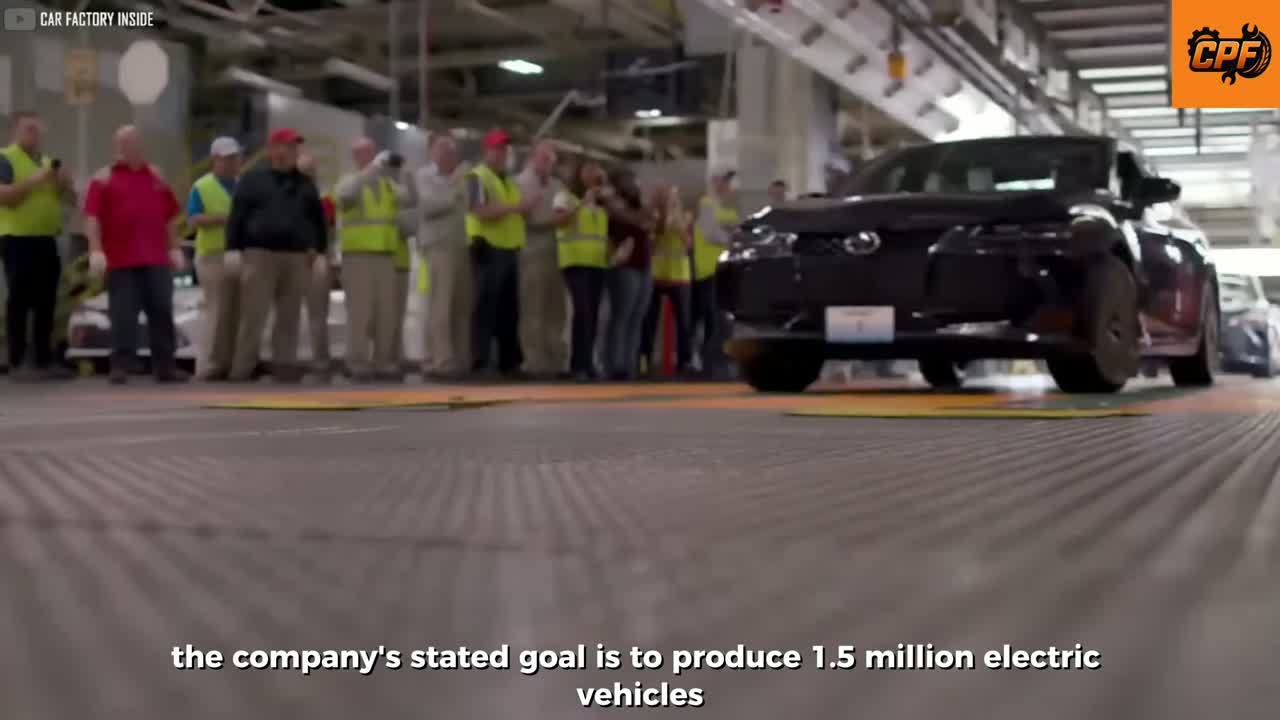
Toyota secured a Japanese production license in October 2025—a genuine regulatory milestone, not a concept unveiling. Mass production is targeted for late 2026, with the first consumer car (a Lexus flagship) arriving in 2027–2028. That is the closest solid-state has come to a real on-sale date from a legacy automaker.
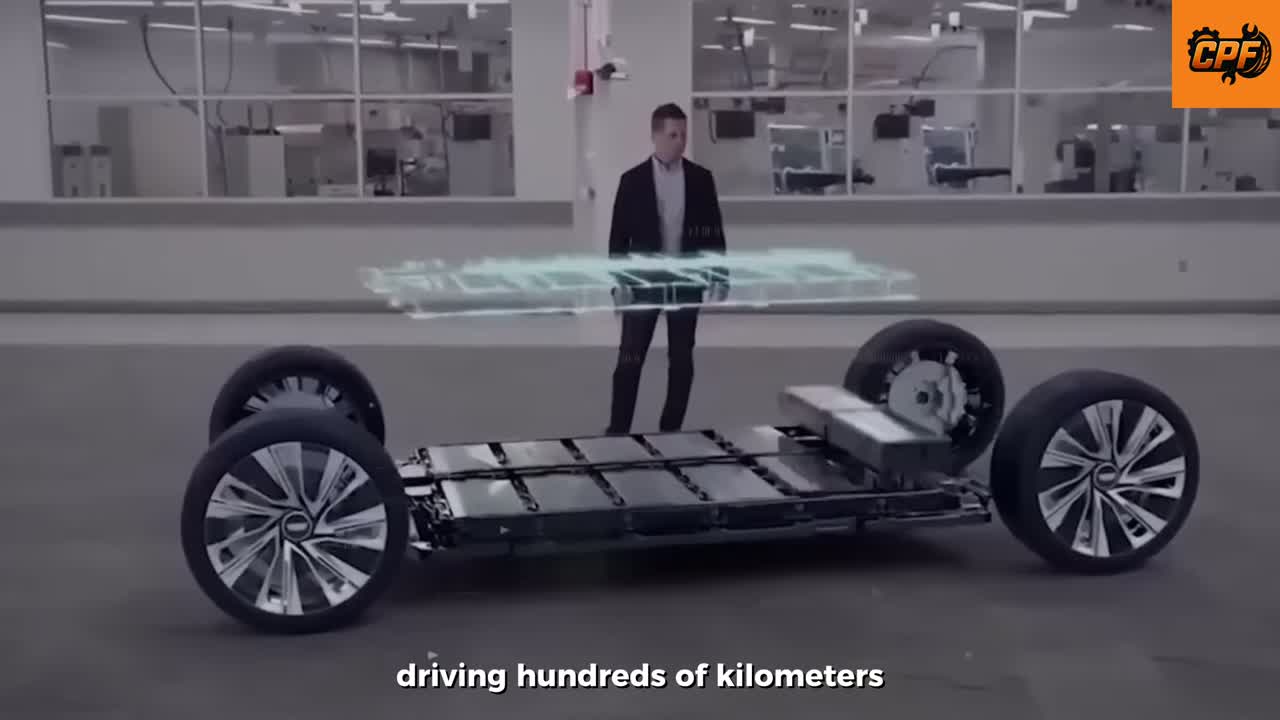
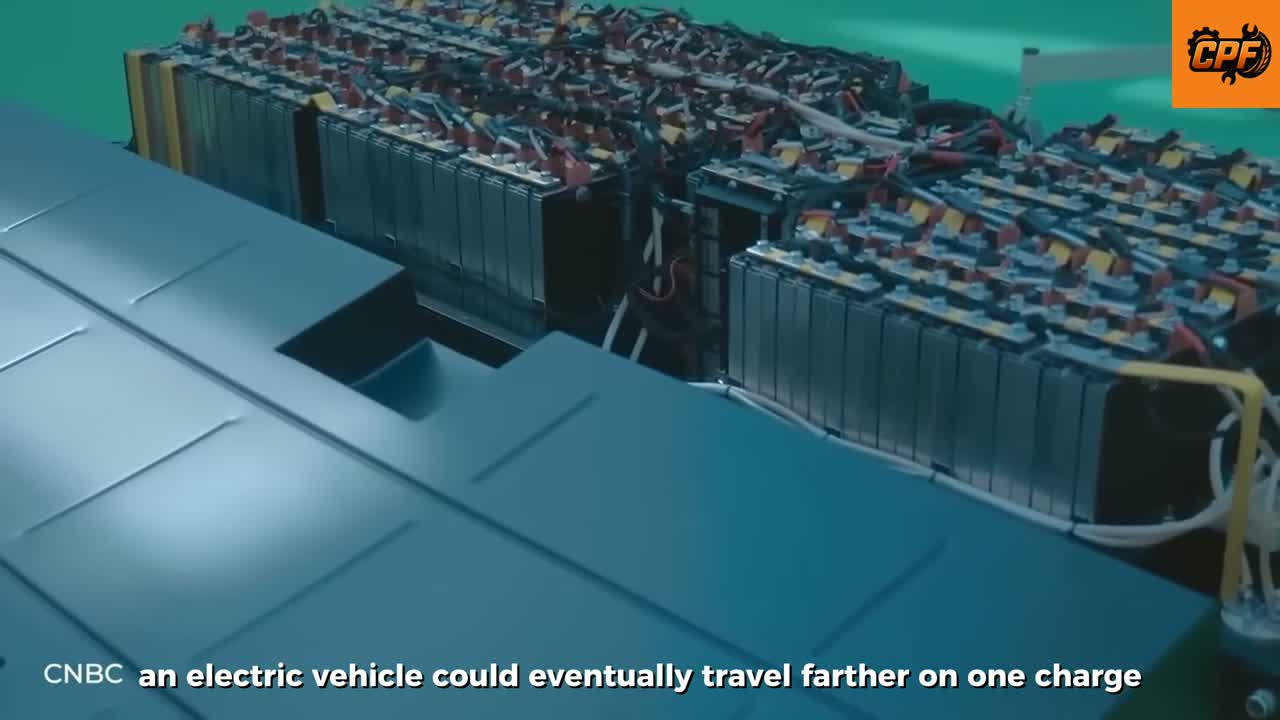
The performance targets are the ones everyone quotes: Gen 1 at roughly 1,000 km range and a 10-minute 10–80% charge, with energy density around 450 Wh/kg. Gen 2, post-2030, pushes toward 1,200 km and sub-10-minute charges at 500+ Wh/kg, with a 15-year life retaining 90% of capacity. These are lab-and-pilot targets; the first cars will likely land a notch below.
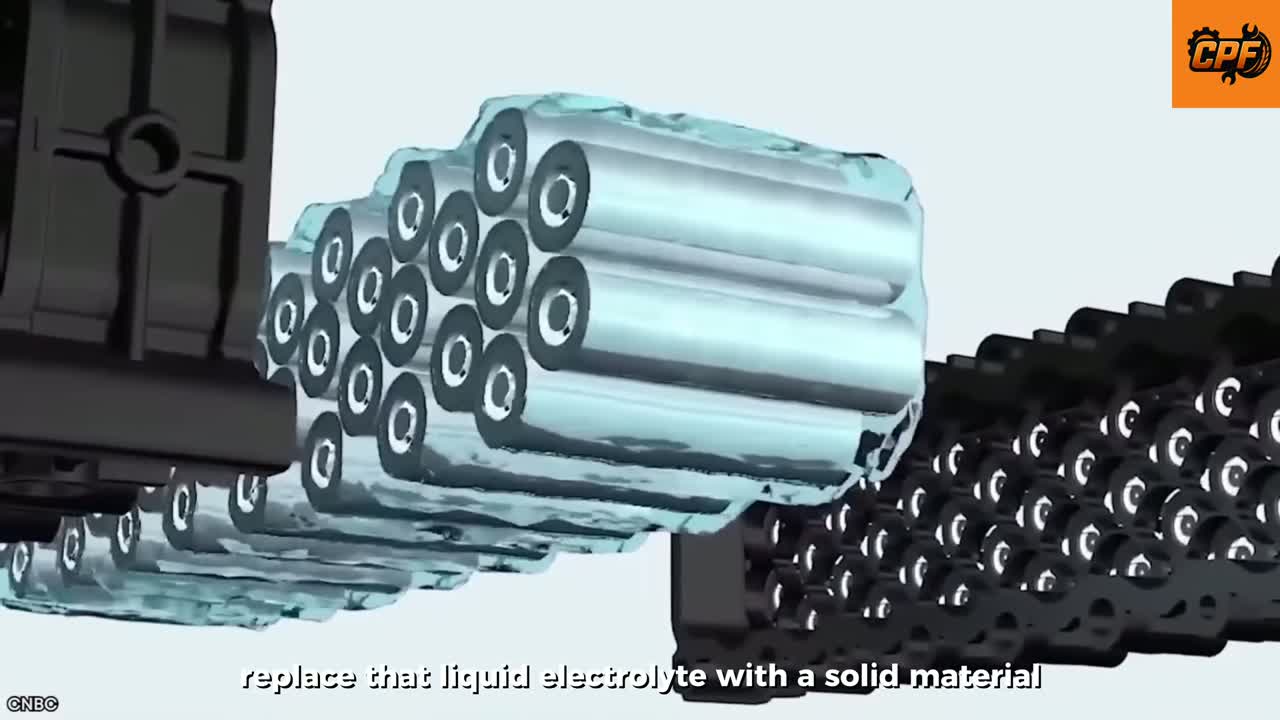
Solid electrolyte removes the flammable liquid, raising both safety and density headroom.
The “Bridge” Battery Coming First
Before solid-state ships, Toyota is launching a 2026 “bridge” performance lithium-ion pack: about 800 km WLTP range, a 20-minute charge, and roughly 20% cheaper than the bZ4X battery. This is the pragmatic play—it de-risks the wait and gives Toyota a credible mainstream EV while the solid-state line ramps.
Battery
Range
Charge (10–80%)
Density
Timing
Toyota bridge Li-ion (2026)
~800 km WLTP
~20 min
mainstream
2026
Solid-state Gen 1
~1,000 km
~10 min
~450 Wh/kg
2027–28
Solid-state Gen 2
~1,200 km
<10 min
500+ Wh/kg
post-2030
Data points: Toyota newsroom and technical disclosures. The sulfide chemistry is non-flammable, which is why Toyota has bet on it over oxide approaches—and why it holds 1,300+ related patents, the deepest portfolio in the field.
Toyota’s pilot line is the gating step—scaling sulfide cells to cost-effective volume is the real hurdle.
Reading Toyota’s solid-state promise
Real license + 2027-28 first car Gen 1 ~1,000 km / 10 min cost at volume = unknown
The dates are real now. The risk is that early solid-state is expensive and capacity-limited—reserved for flagship trims, not volume sellers.
Why This Isn’t a Done Deal
Solid-state’s enemy is manufacturing, not chemistry. Sulfide cells are moisture-sensitive and notoriously hard to produce at scale cheaply. Toyota has the patents and the license, but a pilot line is not a million-unit supply chain. And competitors are moving: Chinese brands and startups (CATL, Samsung SDI, QuantumScape) are all racing the same finish line, with Chery’s Exeed ES8 rumored to challenge for first mass-produced solid-state.
For US buyers, the honest takeaway is patience with a plan: a better lithium-ion Toyota arrives in 2026, a solid-state Lexus around 2027–28, and meaningful volume only after that. Don’t buy (or skip) a car today based on a solid-state promise.
The solid-state race is multi-company; Toyota leads on patents but not on a guaranteed monopoly.
Honest Questions About Toyota Solid-State
When can I actually buy a solid-state Toyota?
Earliest realistic on-sale date is 2027–2028, and initially in a Lexus flagship at a premium price. Mainstream Toyota models will follow only after manufacturing scales, likely late in the decade.
Is a 10-minute charge real?
It’s the Gen 1 target (10–80% in ~10 minutes), which would be transformative. Real-world first cars may be a bit slower, and you’d still need a very high-power stall to hit it. Treat it as the destination, not the day-one reality.
Should I wait instead of buying now?
If you need a car now, the 2026 bridge battery (800 km, 20-min charge, 20% cheaper) is a strong reason not to wait. Solid-state will be incremental at first, not revolutionary for most buyers.
Why sulfide and not another chemistry?
Sulfide solid electrolytes are non-flammable and offer high ionic conductivity, suiting Toyota’s safety-first, density-hungry strategy. The trade-off is sensitivity to moisture during production—the core manufacturing challenge.
Discover the most attractive leasing and financing options for electric vehicles (EVs) this November 2024. Whether you’re looking to lease or finance, there are some excellent deals available that cater…