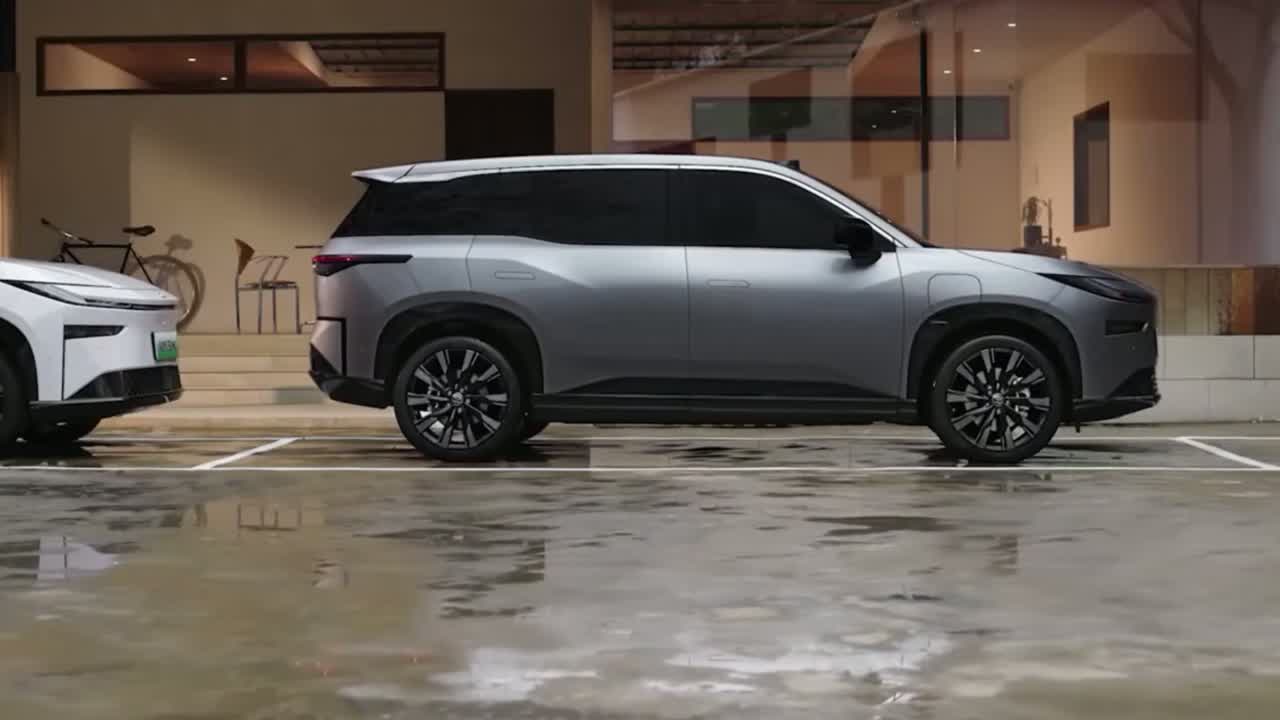
Toyota is selling a brand-new electric SUV with roof-mounted LiDAR and 221 horsepower in China for about $14,400 — roughly half the price of America’s cheapest new EV, and a number no US showroom can match because of a 100% tariff wall.
Toyota just rewrote what an EV is allowed to cost
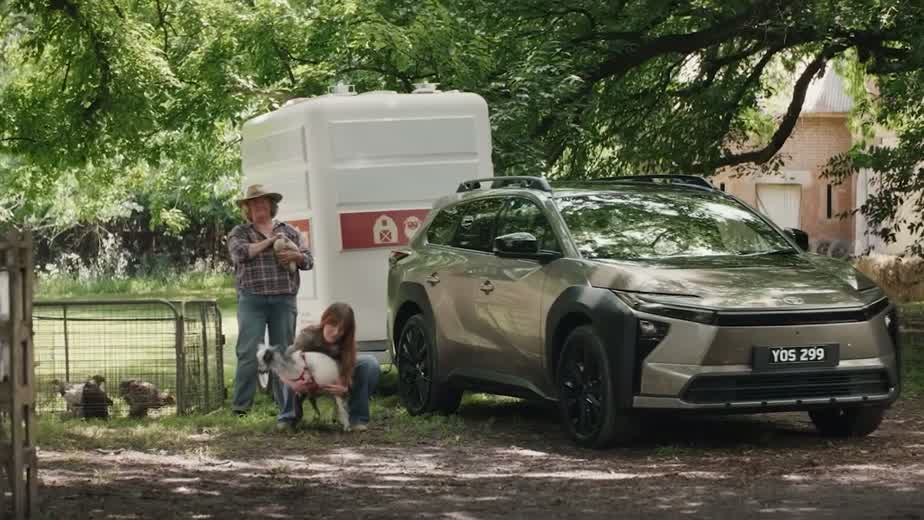
When GAC Toyota revealed the bZ3X in March 2025, it did so without a stadium spectacle. It just posted a price — about 109,800 yuan, roughly $15,800 at the time — and within an hour the company says its servers buckled under order volume, with more than 10,000 buyers locking in purchases before the dust settled. A year later, in March 2026, Toyota cut the starting price again to 99,800 yuan, about $14,400, branding it the first “100,000-yuan-level” pure-electric SUV from the brand.
That is not a rounding trick. It is a legacy automaker deliberately undercutting its own launch price to keep pressure on rivals — and it worked. The bZ3X topped China’s joint-venture EV sales chart for seven straight months from September 2025 through April 2026, and GAC Toyota reported a record 10,027 deliveries in April 2026 alone, more than 80,000 in its first year on the market.

Meet the bZ3X — and the rest of Toyota’s cheap-EV squad
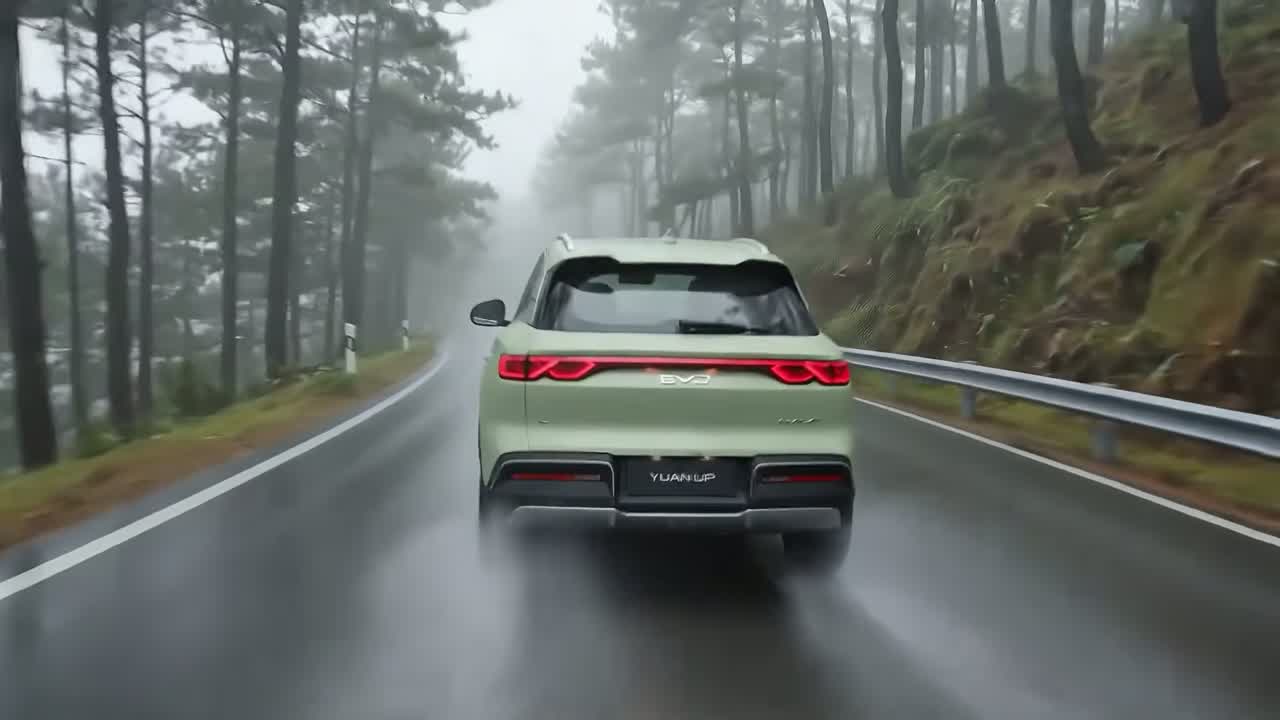
The bZ3X is only the headline act. Toyota’s Chinese joint ventures have built a ladder of affordable EVs, all priced well under $22,000, all launched inside a roughly 12-month window. The FAW Toyota bZ3 sedan, which rides on BYD’s Blade battery, was trimmed to 93,800 yuan (about $13,500) with up to 383 miles (616 km) of CLTC range. The bZ5 fastback SUV launched at about $18,000 with 268 horsepower and a 30-to-80-percent charge in roughly 27 minutes. Three separate Toyotas, three price points, one clear thesis: affordability is the fight worth winning first.
Put the China pricing next to what American buyers actually pay and the gap is the whole story:
| Model | Market | Starting price | Max range (claimed) |
|---|
| Toyota bZ3X (GAC) | China | ~$14,400 (99,800 yuan) | 379 mi / 610 km (CLTC) |
| Toyota bZ3 sedan (FAW) | China | ~$13,500 (93,800 yuan) | 383 mi / 616 km (CLTC) |
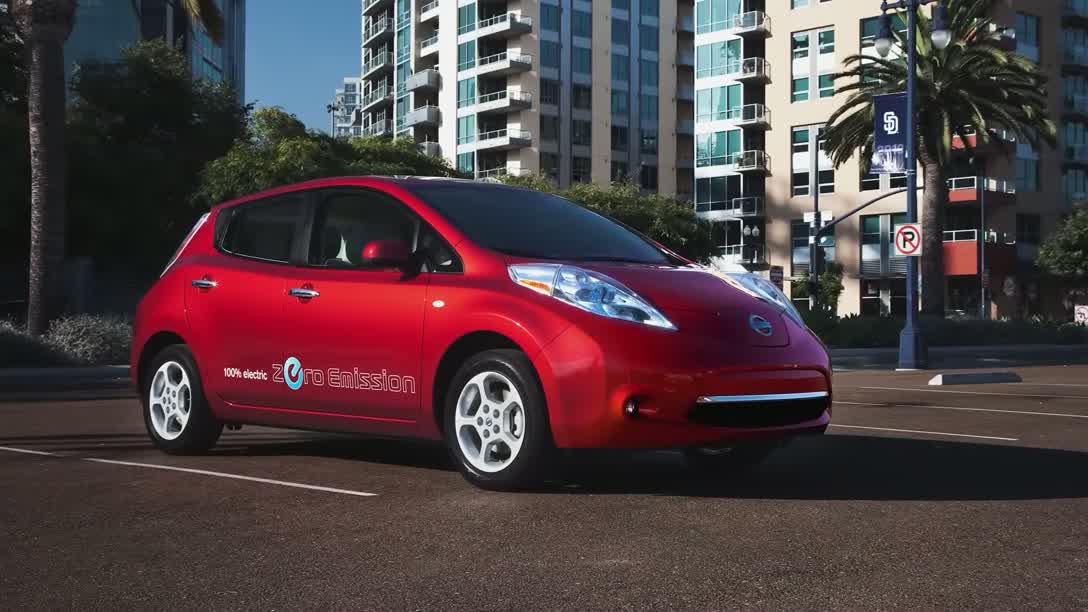
| 2026 Nissan Leaf S+ | USA | $29,990 | 303 mi (EPA) |
| 2026 Toyota bZ | USA | $34,900 | EPA-rated, up to ~314 mi (top trim) |
| 2026 Toyota C-HR | USA | $37,000 | EPA-rated, ~290 mi (est.) |

Why Toyota can sell it for less than a used Corolla
The secret is not magic — it is leverage. The bZ3X borrows its chassis, motors, and drivetrain from the GAC Aion V, a car GAC already builds at volume; Toyota swaps in its own battery packs and software. Instead of engineering a clean-sheet platform, Toyota leaned on a proven local one, cutting both development cost and time. The bZ3 sedan goes further, sharing BYD’s Blade LFP chemistry — the same battery tech that has driven pack prices down across the industry.
This is the part that should worry Tesla and BYD more than any flagship ever could. Toyota is not entering the EV race from zero. It already runs factories, parts suppliers, and dealerships in nearly every country with a road network, built up over decades of selling the Corolla and the Hilux. When a first-time EV buyer chooses between an unfamiliar badge and one their family has trusted for a generation, that trust becomes the deciding factor — especially once the price of being wrong finally feels small.
China price advantage vs US cheapest EV
Toyota global sales scale (11.32M vehicles, 2025)
The wall between a $14K EV and your driveway
Here is the catch for US readers: the bZ3X is built in China, and Chinese EVs face a 100% Section 301 tariff in the United States — up from 25% after the 2024 review — stacked on top of a 2.5% base auto duty, with Chinese EV batteries themselves hit at 25%. Do the math on a $14,400 car and the landed cost more than doubles, erasing the entire price advantage before it ever reaches a lot. A tariff can block a car. It can’t block the cost curve that built it.
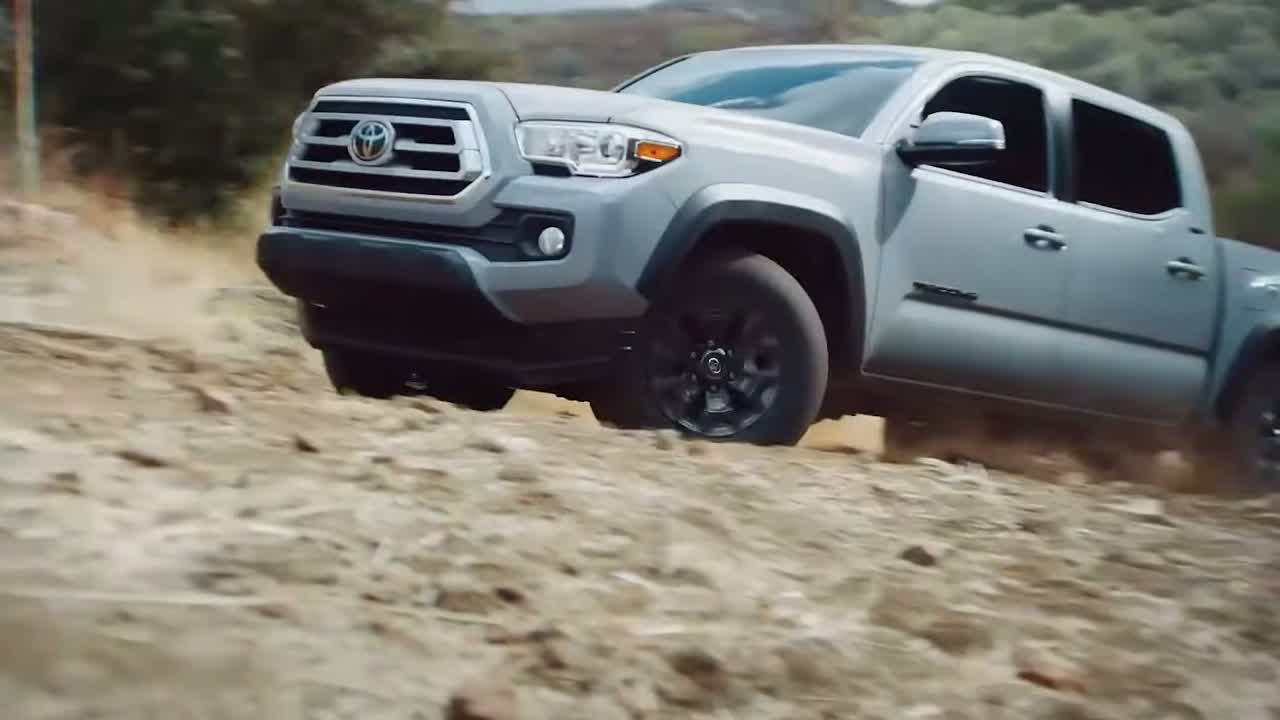
Toyota knows this, which is why its US EV push runs through domestically positioned models instead. The 2026 Toyota bZ starts at $34,900 and the C-HR at $37,000, and according to Electrek’s reporting, the bZ was the third-best-selling EV in the US in the first quarter of 2026, behind only the Tesla Model Y and Model 3. Toyota is filling the affordable end of the American market the legal way — just not at Chinese prices.
The real engine: battery prices just hit a record low
The reason any of this is possible traces back to a single number. BloombergNEF forecasts the average lithium-ion battery pack price will fall to $105 per kWh in 2026, down 3% from $108 in 2025 and part of a decline of more than 93% since 2010, when packs ran about $1,500 per kWh. In 2025, BEV pack prices averaged $99/kWh — the second straight year below the symbolic $100 threshold that analysts call the point where EVs reach cost parity with combustion engines.
Chemistry matters as much as scale. LFP packs average about $81/kWh versus $128 for NMC — roughly 37% cheaper — and China’s volumes push local pack prices to about $84/kWh, while North America runs roughly 44% higher. That gap is exactly why a Chinese-built bZ3X can undercut a US-built rival so dramatically, and why the 100% tariff exists in the first place: without it, the price differential would be brutal.
What it means for the US affordable-EV race
For American buyers, the most tangible result of the battery-price floor is the redesigned 2026 Nissan Leaf. Nissan prices the Leaf S+ at $29,990 with a 75-kWh pack and an EPA-rated 303 miles of range, plus a native NACS port for access to more than 20,000 Tesla Superchargers — the lowest starting MSRP of any new EV on sale in the US. That is the real domestic benchmark, and it is still about double what Toyota charges for the bZ3X in China.
The strategic lesson is sharper than the sticker. Toyota sold a record 11.32 million vehicles in 2025 — its sixth consecutive year as the world’s bestselling automaker — yet its own battery-electric volume sits under 200,000 units globally, a fraction of a percent of output. Hybrids still made up about 42% of Toyota’s global sales mix in 2025 while pure EVs stayed under 2%. Toyota isn’t trying to out-spec Tesla and BYD yet. It is using scale, trust, and a multi-pathway strategy to enter the race exactly where it hurts most: on price, without cutting the tech.
FAQ
Can I actually buy the $14,400 Toyota bZ3X in the United States?
No. The bZ3X is manufactured in China, and US Section 301 tariffs impose a 100% duty on Chinese-made EVs on top of a 2.5% base auto tariff. That more than doubles the landed price, so Toyota sells its affordable US EVs — the bZ and C-HR — through different, higher-priced models instead.
Why is the bZ3X so much cheaper than a US EV?
Three forces stack up: Toyota shares the bZ3X’s platform with GAC’s high-volume Aion V, the bZ3 sedan uses low-cost BYD Blade LFP batteries, and China’s battery overcapacity has pushed pack prices to about $84/kWh — roughly 44% below North American levels. Those savings simply do not survive the trans-Pacific tariff wall.
Is the $14,400 price real or a limited-time promo?
Toyota’s listed starting price for the bZ3X is 109,800 yuan (about $15,800), with a promotional floor of 99,800 yuan (about $14,400) offered to mark its first-year sales milestone. Either way, it is a production price for a car that has already delivered more than 80,000 units in its first year.
Related reading on EVCUBE
Want more on Toyota’s EV push and the global price war it is fueling? These deep dives from our archive connect the dots:
Sources