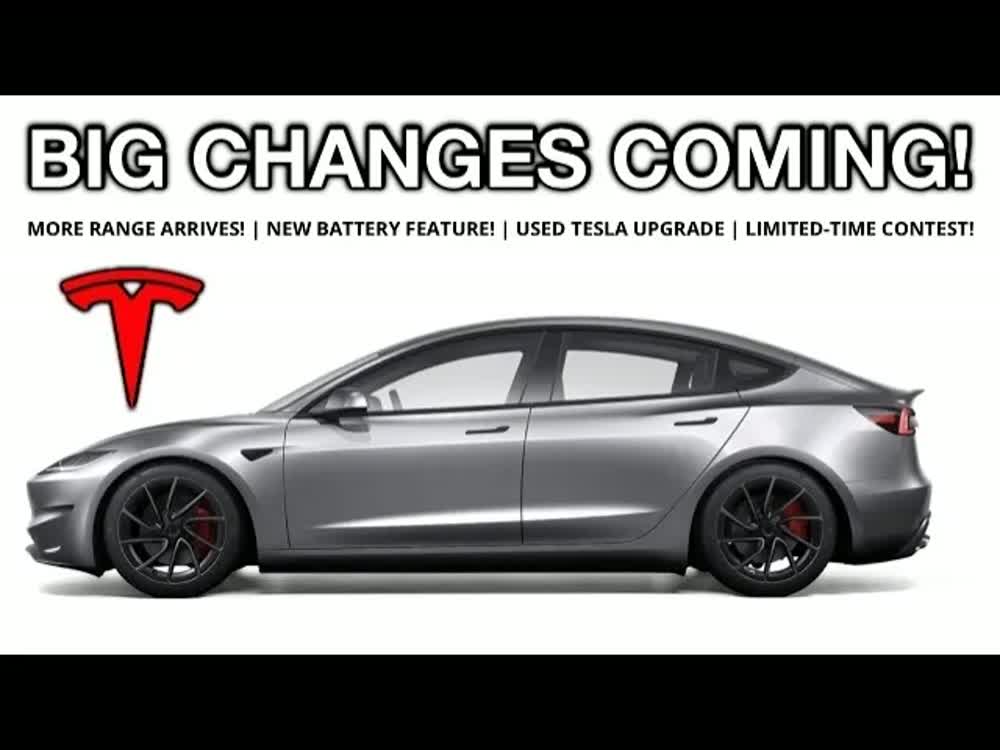
Tesla just handed owners a wave of no-cost upgrades — but “free” means something different depending on which Tesla you own and whether you ever paid for FSD. Here is exactly what changed, who qualifies, and why the bill is still rising elsewhere.
What is actually free for every owner
The headline news is Tesla’s “big summer release” — an over-the-air update the company shipped without a traditional version number. It is a pure software drop, so every connected Tesla in the supported fleet gets it at no charge. The practical wins are quality-of-life features, not horsepower:
- Grok control expands — the assistant can now drive more in-car functions, not just answer questions.
- Navigation learns your habits — the car remembers route preferences and gets smarter about where you actually like to drive.
- FSD visualization and Apple Music tweaks, plus a slicker way to push a custom wrap design from your phone to the car.
- Intro animations on the new Model 3 and Model Y, and seat controls from the standard trims moving onto the premium models’ touchscreens.
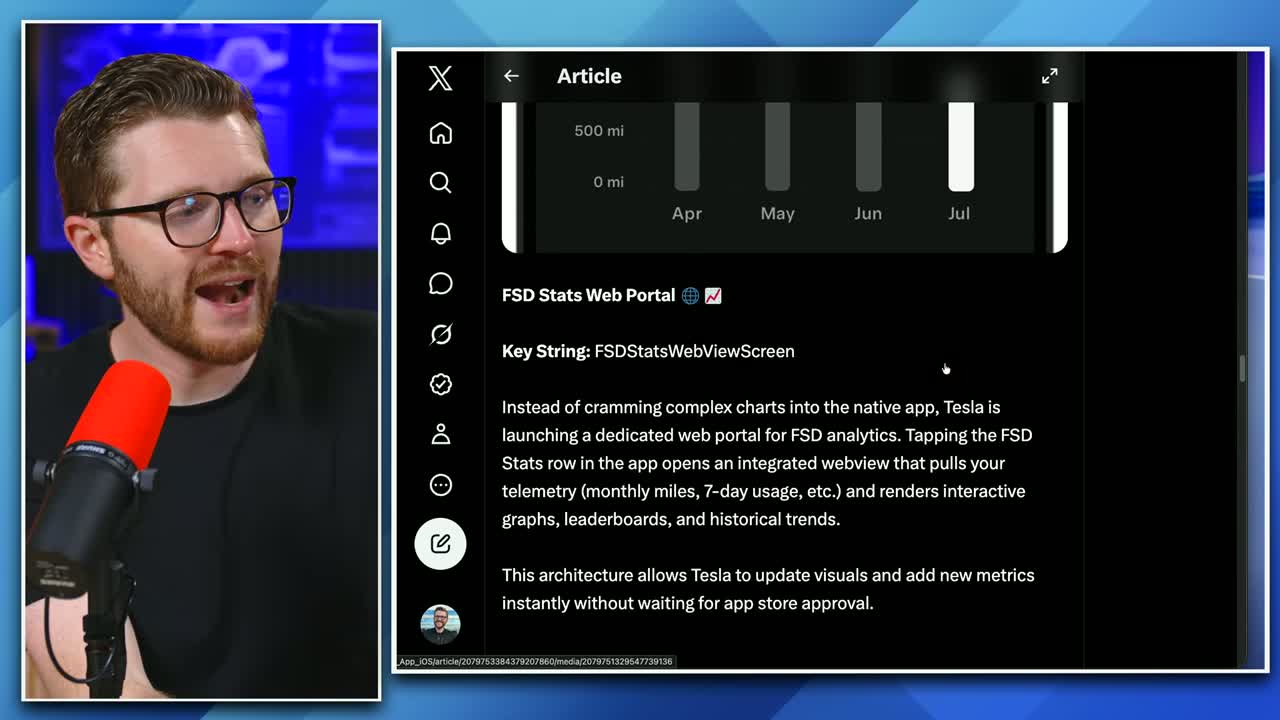
- The phone app gets a major upgrade — an Unreal Engine-style 3D model of your car, FSD stats delivered like a hidden web page (so Tesla can update it without an app release), and the ability to adjust screen brightness and cabin airflow remotely.

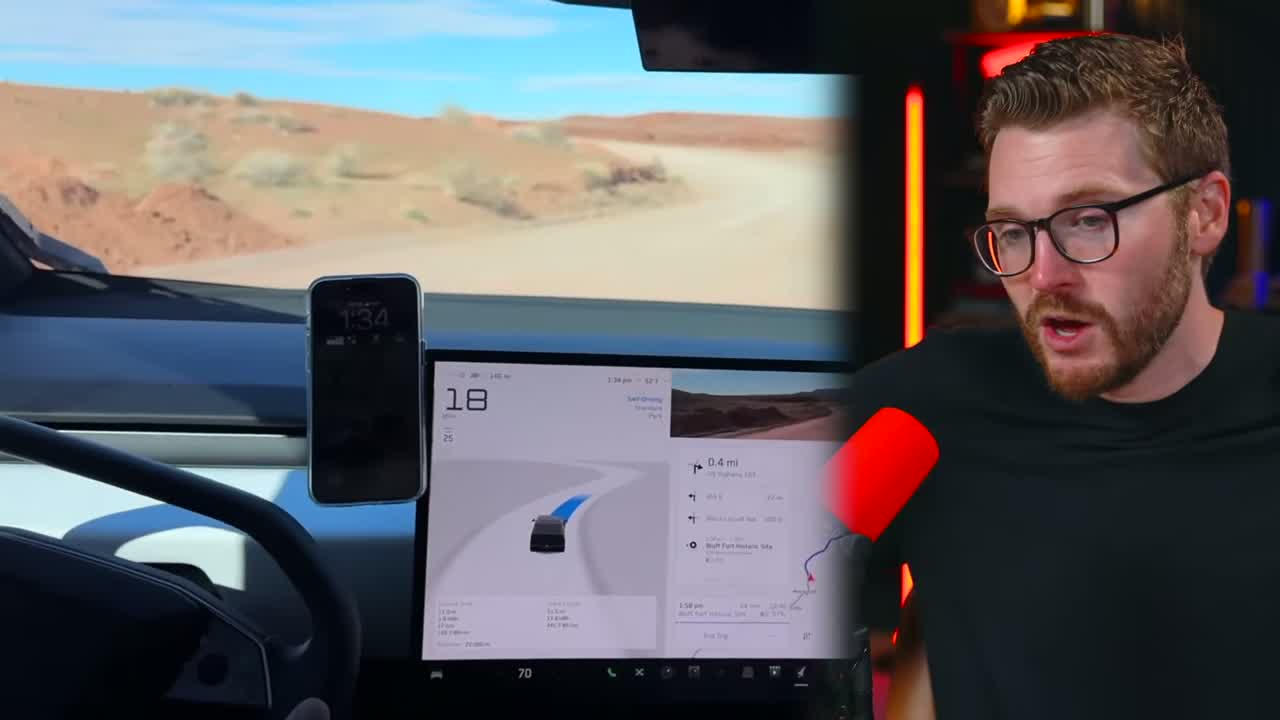
The single biggest “free for everyone” moment, though, is the long-awaited FSD v14 Lite rollout to Hardware 3 cars. Tesla began pushing it on June 29, 2026 (build 2026.20.5.1), then opened a wider release on July 21, 2026 (2026.20.6.11). This is the first major FSD update for HW3 in more than a year — since v12.6.4 in February 2025. By July 23, tracker data from TeslaFi and Tessie showed roughly 10% of U.S. and Canadian HW3 owners had received it, with the rollout still accelerating and Europe waiting on regulatory approval.
“Free isn’t free when it’s tied to a subscription — but this particular upgrade costs nothing and lands on cars built as far back as 2019.”
The headline freebie: a new brain for older cars
On the Q2 earnings call, Elon Musk reframed the long-promised Hardware 3 to Hardware 4 path. Instead of a straight HW3→HW4 swap, Tesla now says it will upgrade all vehicles that lack HW4 to the next major computer — HW4.5 (about a year out) or even HW5 — including a new car computer, new cameras, and meaningfully more processing headroom. Critically, this is scoped to owners who paid for FSD.
Why the drama? HW3’s memory bandwidth is about 48 GB/s versus roughly 384 GB/s on HW4 — an 8x gap that Musk himself acknowledged on the Q1 call makes unsupervised FSD impossible on the older chip. Tesla AI chief Ashok Elluswamy and Morgan Stanley both put the global HW3 fleet near 4 million vehicles, so this is a massive installed base that has been stuck behind newer hardware. v14 Lite is the software bridge; the computer swap is the hardware bridge.
HW3 owners on FSD (promised swap)
HW3 owners, no FSD (software only)
Intel-MCU HW3 (visual features excluded)
The catch is real: Tesla confirmed it still has no roadmap to bring the new visual and Grok features to Intel-based older HW3 cars, and the computer-upgrade logistics (who, when, where, how long) are still undefined. “Free” is promised, not yet delivered.
How Tesla’s free-upgrade playbook compares to legacy automakers
Tesla is not the only brand shipping over-the-air improvements, but the scope is different. The table below contrasts what owners of comparable EVs actually get at no charge — and where the money comes back in.
| Brand / model | Free OTA software | Free hardware upgrade for old owners | Subscription for top features |
|---|
| Tesla (all) | Yes — summer update + FSD v14 Lite to HW3 | Promised — HW3→HW4.5/HW5 computer for FSD buyers | FSD $99/mo; ~55% of Q2 deliveries subscribed |
| BMW (iDrive) | Yes — Remote Software Upgrade, ~3 major drops/yr (Mar/Jul/Nov) | No — OS 8/8.5 cannot OTA to OS 9; head unit not retrofittable | BMW Digital Premium subscription for some features |
| GM (2026 Bolt EV) | Yes — +15 mi EPA range, 150→170 kW charging, adds Super Cruise | No | Super Cruise $25/mo or $250/yr after 3-yr trial |
The pattern is clear: BMW and GM give free software, never free hardware, and both still gate their best driver-assist behind a monthly fee. Tesla’s differentiator is the promised computer swap — but notice the common thread across all three: the “free” part is software, and the recurring revenue is the point.
The catch: prices are going the other way
Here is the tension the “free upgrades” story hides. On July 21, 2026 — one day before the Q2 call — Tesla raised U.S. Model 3 lease payments across every trim by 5.0% to 15.2%. The base Rear-Wheel Drive went from $329 to $379 a month (+15.2%), the Premium RWD from $349 to $399 (+14.3%), the Premium AWD from $449 to $479 (+6.7%), and the Performance from $599 to $629 (+5.0%).
Stack the moves since April and the base RWD lease has climbed from $299 to $379 — about 27% in three months, or roughly $2,880 more over a 36-month term. The Model Y was nudged up too, with Premium trims rising $30 each in June. The timing followed a Q2 delivery beat of 480,126 vehicles versus a 406,024 consensus, and an executive noted on the call that Tesla has no demand problem and therefore no reason to discount. Reminder: the federal $7,500 EV credit expired September 30, 2025, which is exactly when Tesla first hiked leases sharply.
“Tesla didn’t give every owner an upgrade — it gave every owner a reason to keep paying.”
Starlink and the always-connected car
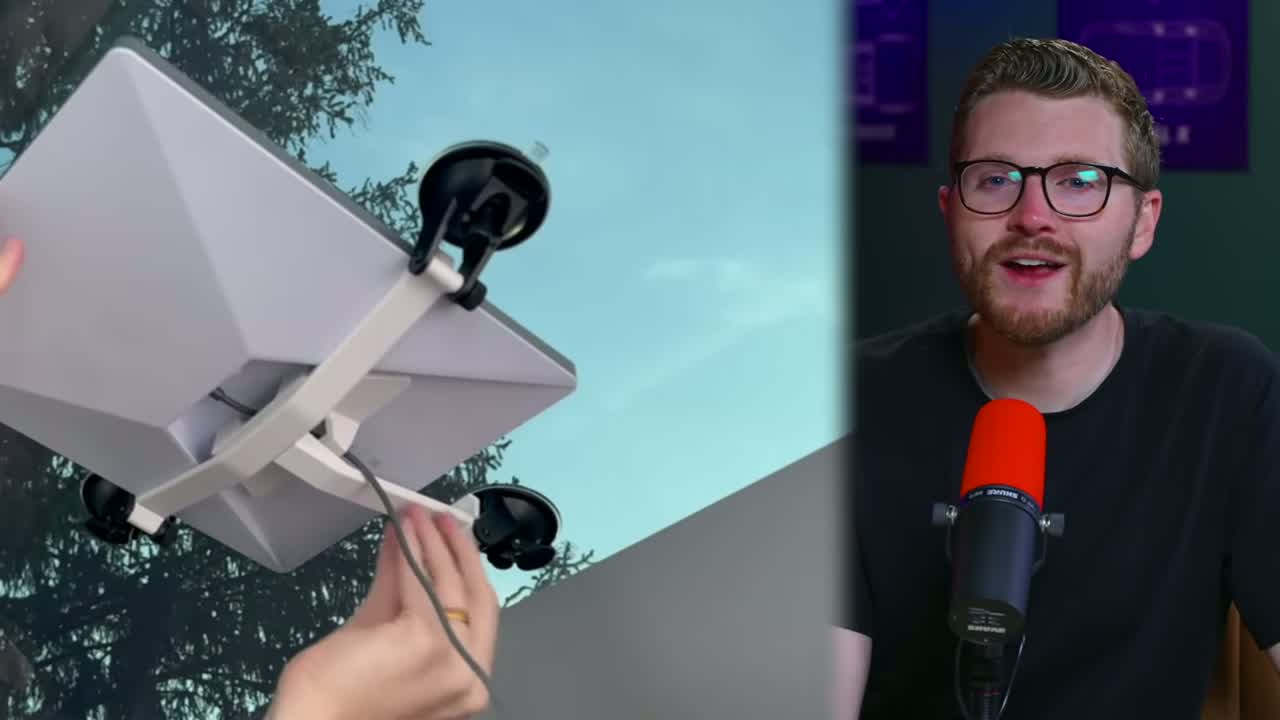
Musk confirmed on the Q2 call that Tesla plans to integrate Starlink into future Model 3 and Model Y builds, on top of the 5G module and Starlink already going into Cybercabs. Some U.S. Superchargers already carry Starlink antennas. As of March 2026, the Starlink constellation stood at about 9,600 satellites across 164 countries with over 10.3 million broadband users — a genuinely global fallback for connectivity far from cell towers.
Two caveats for U.S. buyers: it will almost certainly carry an added cost, and Tesla has already said it has no plan to offer Starlink in China for regulatory reasons. So the “high-speed internet anywhere on the planet” promise is real — eventually, and not everywhere.
The quieter shift worth flagging: Tesla’s app leak shows a new owner rewards and referral system with “FSD gifting,” redeemable trial codes, and the foundation for earning FSD “redemption miles.” Combined with the fact that FSD is now subscription-only and that Tesla confirmed the price will only rise, the free trials are the on-ramp to a recurring bill — not a permanent gift.
Who benefits — and who gets left out
Net it out by owner type:
- Every connected Tesla gets the summer OTA and, if on HW3, FSD v14 Lite. That is the universal win.
- HW3 owners who bought FSD get the promised future computer upgrade — the most valuable, least delivered item on the list.
- Intel-based HW3 owners get v14 Lite and base features but miss the new visuals and Grok.
- Shoppers get rising lease prices and no return of the federal credit, so the “free” story does not lower the door price.
Will my Intel-based Tesla get the new visuals and Grok?
No. Tesla confirmed there is still no roadmap to bring the summer update’s visual upgrades, FSD graphical improvements, or Grok to Intel-processor HW3 vehicles. You receive the underlying OTA and FSD v14 Lite, but not the richer interface layer.
Is the free HW3 computer upgrade available now?
Not yet. On the Q2 call Musk said Tesla will upgrade non-HW4 vehicles to HW4.5 (about a year out) or HW5, scoped to FSD buyers — but the company has given no timeline, criteria, or service process. Treat it as promised, not scheduled.
Do I get FSD v14 Lite if I never bought FSD?
Yes. v14 Lite is a software update that lands on HW3 cars regardless of FSD ownership. Using FSD still requires the $99/month subscription (or a referral trial worth about $297 for three months) — the software is free, the capability is metered.
Related reading on EVCUBE