Toyota’s solid-state battery promises 745 miles of range and a full charge in under 10 minutes. The science is real — but as of 2026, not a single all-solid-state cell is powering a car you can actually buy.
What Toyota is actually promising
Toyota has spent over three decades and secured a deep portfolio of solid-state patents. Its roadmap, first sketched in late 2023 and reaffirmed at the 2025 Tokyo Motor Show, targets a first-generation battery delivering roughly 1,000 km (620 miles) of range with a 10%–80% charge in about 10 minutes. A second generation aims for 1,200 km (745 miles). The company received formal production approval in Japan in October 2025, and executive Keiji Kaita confirmed Toyota is “sticking on the schedule” for a first solid-state EV by 2028. Those vehicles will likely debut on premium Lexus models first.

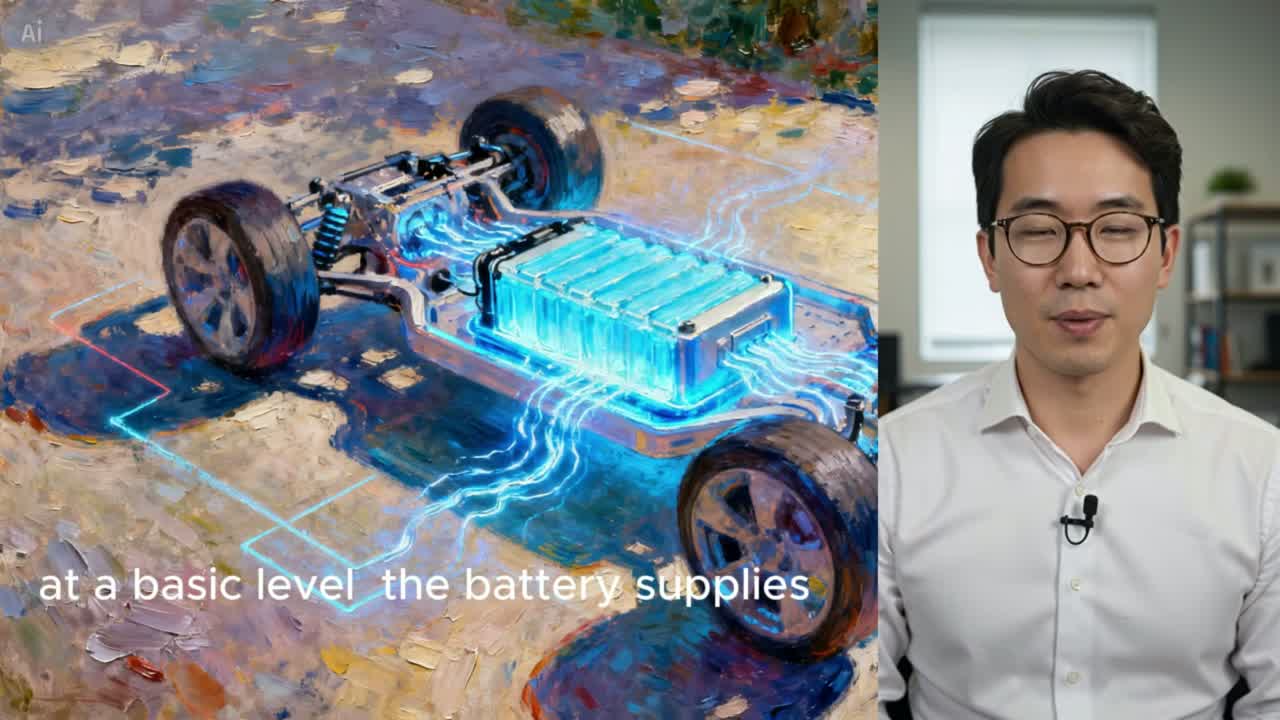
The core change is simple to describe: swap the liquid electrolyte (the flammable chemical soup in today’s lithium-ion cells) for a solid one. That single move is what unlocks the promised leaps in safety, energy density, and charging speed.
Solid-state vs. today’s lithium-ion
Today’s best lithium-ion packs land around 250–300 Wh/kg. Solid-state cells in 2026 are targeting 400–500 Wh/kg commercially. In plain terms, that’s roughly double the energy in the same weight — which translates directly into either longer range or a smaller, lighter pack. Toyota’s sulfide-electrolyte approach is paired with partners Idemitsu Kosan (which broke ground on a solid-electrolyte pilot plant on January 29, 2026, due for completion by end of 2027) and Sumitomo Metal Mining for cathode materials.
| Metric | Today’s Li-ion | Toyota solid-state (target) |
|---|
| Energy density | 250–300 Wh/kg | 400–500 Wh/kg |
| Gen-1 range | ~300 mi (typical EV) | ~620 mi (1,000 km) |
| Charge 10–80% | 20–45 min | ~10 min |
| Production cost | ~$110–130/kWh | ~$150–200/kWh (4–6×) |
Toyota’s solid-state range ambition
Cost gap vs. current Li-ion
The scorecard: hype vs. reality
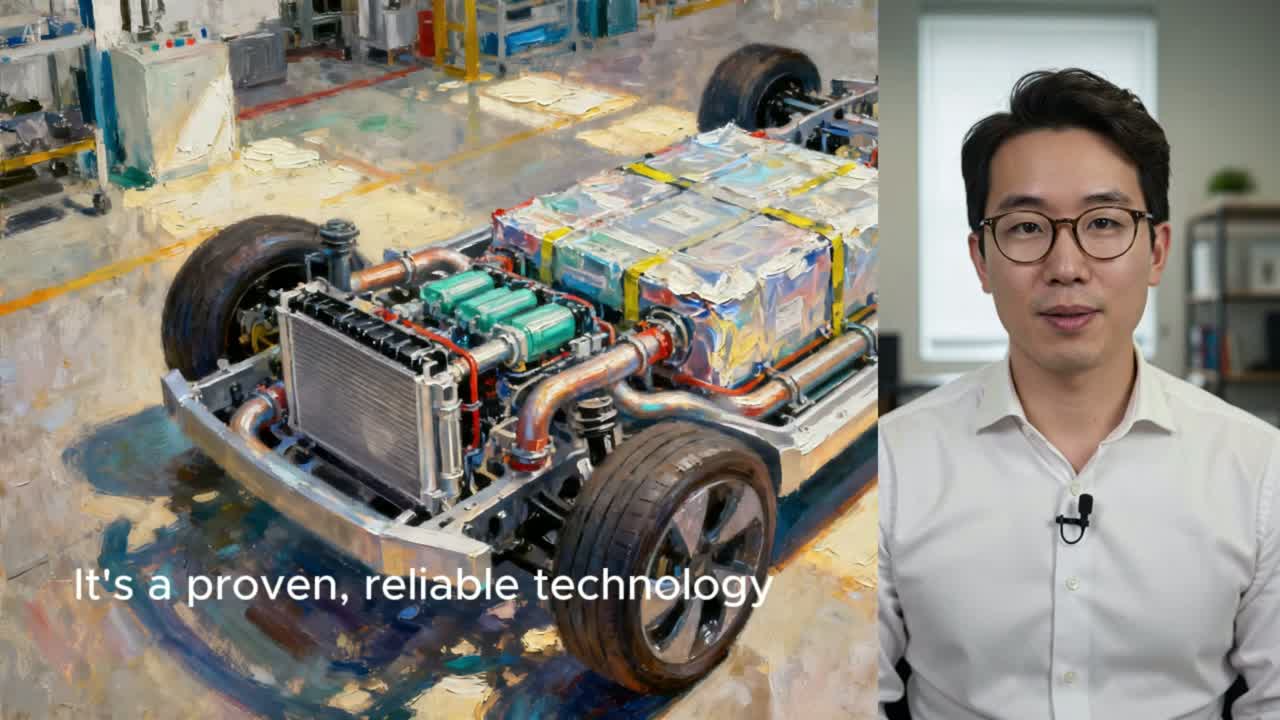
Here is the unvarnished picture as of mid-2026: seven major companies have poured more than $10 billion into all-solid-state R&D, and exactly zero all-solid-state cells are installed in a customer car anywhere on Earth. Toyota’s own timeline has slipped repeatedly — it once promised 2020, then 2023, then 2026. Every previous date moved right. The only solid-state-adjacent tech actually shipping to consumers today is semi-solid: NIO’s 150 kWh pack and SAIC’s MG4. The distinction matters, because semi-solid is a bridge, not the destination.
The bottleneck is never chemistry — it’s manufacturing. Producing defect-free ceramic electrolyte layers thin enough (under 20 microns) at gigawatt scale is brutally hard; a single pinhole causes an internal short. Toyota has reportedly solved this at low volume. Nobody has solved it at factory scale yet.
Who else is in the race
Toyota is far from alone. QuantumScape — backed by Volkswagen — has the strongest published lab numbers: QSE-5 B-sample cells hit 844 Wh/L and charge 10%–80% in about 12.2 minutes, with mass production targeted for 2027–2028. Samsung SDI is building toward 900 Wh/L cells and 2027 mass production, already supplying BMW and Hyundai with semi-solid cells. CATL plans semi-solid cells in 2026 and full solid-state closer to 2030. Mercedes-Benz drove an EQS fitted with a lithium-metal solid-state pack nearly 749 miles on a single charge in early 2025, and Nissan targets a 2028 commercial launch. Honda and Factorial Energy are running their own demonstration lines.
The pattern is consistent across the field: impressive prototypes, committed timelines, but premium-first rollouts and cost parity only around 2030. For US buyers, that means the solid-state car you can afford is still a decade away from the showroom floor.
What it means for you
If you’re shopping for an EV in 2026 or 2027, don’t wait for solid-state. Current lithium-ion is excellent, charging keeps improving (see BYD’s megawatt chargers and CATL’s latest cells), and the cost-value equation won’t tip for at least four to five years. Solid-state will arrive first as a luxury upgrade — think a future Lexus BEV — then trickle down. When it does, expect lighter cars, ~700–900 mile ranges, 10-minute top-ups, and packs that outlast the vehicle. Until then, treat every “revolutionary battery next year” headline with healthy skepticism. For more on Toyota’s broader tech push, read Toyota’s new EV tech in 2026 and what a 1,000 km solid-state battery means for US drivers.
When can I actually buy a solid-state Toyota?
Toyota targets a first solid-state EV by 2027–2028, initially in limited batches on premium Lexus models, with broader availability and cost parity closer to 2030. Treat earlier dates as aspirational until customer deliveries begin.
Is solid-state safer than today’s batteries?
In principle, yes. Replacing the flammable liquid electrolyte removes a major fire-risk source and thermal runaway begins at far higher temperatures (~247°C vs ~90°C for Li-ion). But any new cell still requires years of safety certification before mass use.
Should I wait to buy an EV until solid-state arrives?
No. Current lithium-ion EVs are mature, capable, and far cheaper. Solid-state will debut expensive and trickle down slowly; waiting means missing years of good driving for a battery you likely can’t afford until the early 2030s.
Sources: Electrek (Toyota solid-state timeline, 745-mi prototype, Idemitsu plant); Carscoops (620-mi plan, 2027–28 target); Mad4Wheels (2026 solid-state scorecard, 400–500 Wh/kg, zero cells in customer cars); LiveInTheFuture (2026 battery scorecard, QuantumScape 844 Wh/L, Toyota Japan approval Oct 2025); Toyota EV battery roadmap (gen-1 1,000 km / gen-2 1,200 km, 10-min charge). Broader context in
how China dominates the global EV factory boom.