A quiet shift in cell chemistry and how batteries are built is rewriting what American buyers can expect from EV range, charging speed, and sticker price — and it could make a 2025 model feel outdated within a year.
Why “solid state” is the wrong headline for 2026
Every few months a new video promises the “solid-state battery that changes everything.” Here is the part almost nobody spells out: true all-solid-state cells are still in pilot lines, not dealer lots. What actually reaches American roads in 2026 is the semi-solid and condensed generation — cells that swap part of the liquid electrolyte for a solid or gel layer. They are the bridge tech, and they are already posting numbers that matter more than the marketing.
The single most important metric is energy density, measured in watt-hours per kilogram (Wh/kg). Today’s best production lithium-ion sits at roughly 200–300 Wh/kg. The semi-solid cells rolling out in 2026 land at 350–420 Wh/kg — and the all-solid-state pilots aimed at the back half of the decade target 450–500 Wh/kg, nearly double current tech. More energy per pound is the lever that delivers both longer range and lighter, cheaper-to-package packs.
Semi-solid 2026 vs today’s Li-ion

The numbers that actually change your ownership
Range is the headline, but three quieter specs decide whether an EV fits your life: cold-weather behavior, cycle life, and charging speed.
- Cold weather: EV Energy’s battery is rated from −20°C to 60°C; Dongfeng retains over 74% charge at −30°C; BYD’s FinDreams claims stable operation down to −40°C — a real benefit for buyers in the Midwest and Northeast where winter range loss is the top complaint.
- Longevity: Semi-solid packs are engineered for over 1,000 cycles before meaningful degradation, with EV Energy promising 2,000+ cycles and lab research hinting at 5,000+ cycles while keeping over 90% capacity. At 250 miles per charge, 2,000 cycles is roughly 500,000 miles — the battery could outlast the car.
- Charging: The target is 10–80% in 10 minutes or less. Factorial’s FEST cells demonstrated 15–90% in 18 minutes. That is a gas-station-length stop, not an hour-long coffee break.
Not one chemistry — three, and they are splitting the market
The “secret” isn’t a single magic cell. It is that the industry has stopped betting everything on one chemistry. LFP (lithium iron phosphate) runs the mainstream and storage market, NMC (nickel-manganese-cobalt) still wins on premium long-range, and sodium-ion is arriving as the cold-weather, low-cost wild card. Here is the 2026 scorecard on real, shipping numbers:
| Chemistry | Cell energy density | Cycle life (to 80%) | Pack cost (2025) | Best fit |
|---|
| LFP | ~160–200 Wh/kg | 4,000–10,000 | ~$81/kWh | Mainstream EVs, home & grid storage |
| NMC | ~240–290 Wh/kg | 1,500–3,000 | ~$128/kWh | Premium / long-range EVs |
| Sodium-ion | ~120–160 Wh/kg | 4,000–8,000 | ~$90–110 (early) | Entry EVs, cold climates, storage |
| Semi-solid / SSB | 350–500 Wh/kg | 1,000–10,000 (target) | premium pre-scale | Next-gen range & fast charge |
The cost column is the quiet revolution. BloombergNEF’s 2025 Lithium-Ion Battery Price Survey put the global average pack price at $108/kWh, down 8% year over year — and down 93% since 2010, when packs ran about $1,474/kWh. LFP averaged just $81/kWh versus $128/kWh for NMC. That spread is exactly why every mainstream American brand is now racing LFP into entry trims.
What this means for the price you pay in the U.S.
Here is where the American buyer needs a reality check, because the headline savings are not evenly distributed. BloombergNEF found China’s average pack price fell to $84/kWh in 2025, while North America and Europe paid 44% and 56% more respectively. That gap is why a comparable EV still costs thousands more on a U.S. lot than in Shanghai.
Two policy shifts compound it. The $7,500 federal EV tax credit expired on September 30, 2025, removing a major discount from many popular models. And U.S. battery supply is still import-heavy: the IEA notes American EV battery deployment stagnated at about 10% of the global total in 2025, even as China took 60% and the EU nearly 15%. Europe’s attempt at a homegrown champion, Northvolt, filed for bankruptcy in March 2025 with roughly $8 billion in debt — a warning that domestic cell capacity will not appear overnight.
“The first automaker to make these batteries affordable will own the next decade of EV sales — range anxiety ends the moment watts per kilogram stop being the bottleneck.”
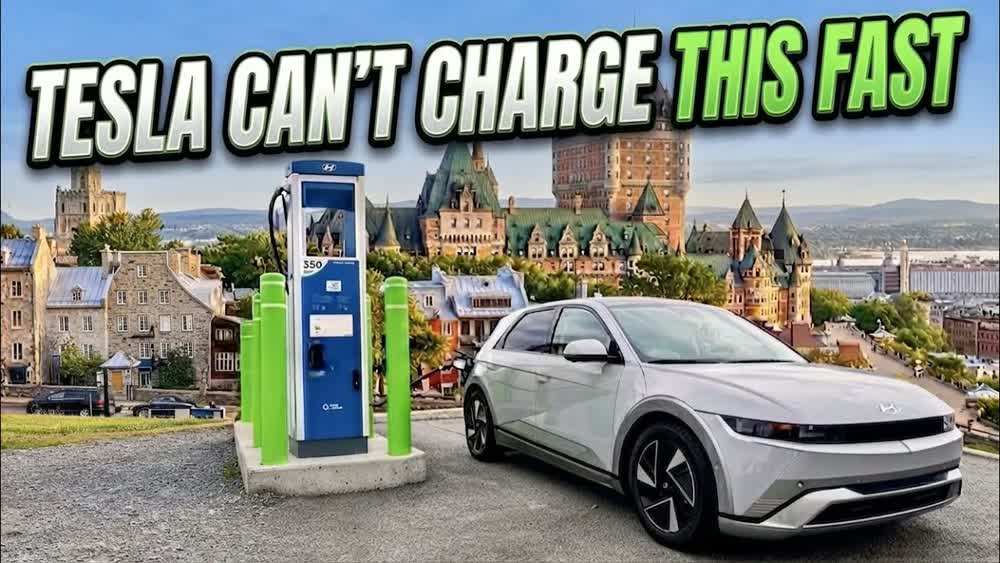
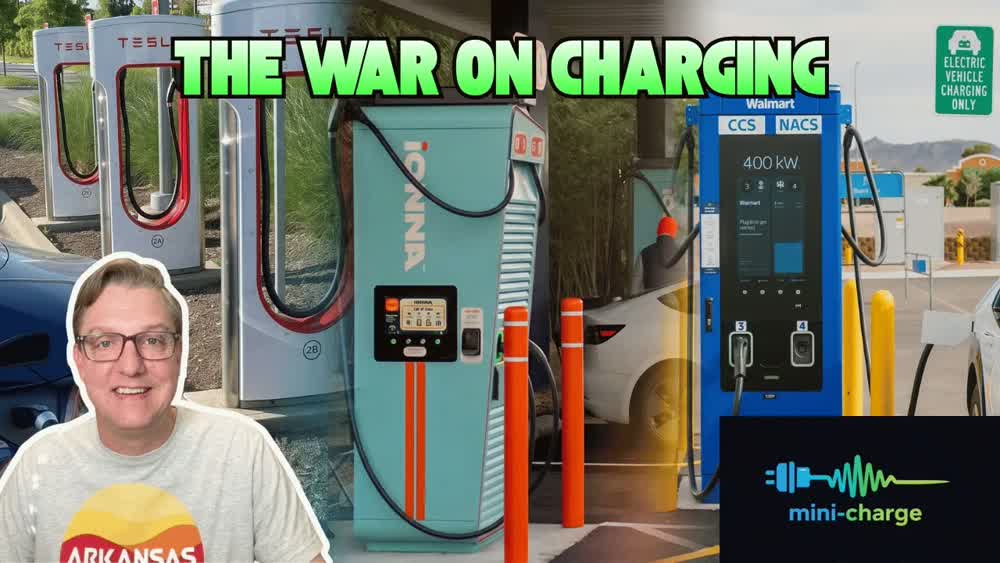
The U.S. upside is real, though. Cheaper cells flow straight into EPA range and MPGe without raising the window sticker, and the industry’s move to the NACS plug means a 10-minute semi-solid charge can happen at a Supercharger you already trust. CATL’s condensed battery (350 Wh/kg, already in production) and its announced all-solid-state cell (500+ Wh/kg, targeted for late 2026) show the Chinese supply chain pulling the whole curve forward — and U.S. makers importing those cells will pass some of the savings to buyers.
The cross-time view: from $1,474 to $108 per kWh
Step back and the trend is unmistakable. Battery packs fell from about $1,474/kWh in 2010 to $108/kWh in 2025 — a 93% collapse in real terms. The IEA reports global EV battery deployment reached 1.2 TWh in 2025, up almost 30% year over year and more than 7× the 2020 level. Cheaper cells are the reason a 300-mile EV is now a mainstream proposition rather than a luxury one — and why the 2026 chemistry jump could push many models past 400 miles of EPA range without a bigger, heavier pack.
Should you wait, or buy now?
If you need a car today, 2026’s LFP and NMC EVs are genuinely good — and the expired tax credit makes waiting less attractive than it was a year ago. But if your priority is maximum range and 10-minute charging, the semi-solid wave landing through late 2026 is worth a close look. The smart move: check the watts-per-kilogram and the 10–80% charge time on the spec sheet, not the marketing word “solid state.” Those two numbers tell you whether a 2026 model is genuinely next-gen or just a refreshed 2024 cell.
FAQ: Is solid-state safe, and will it really last longer than my car?
Solid and semi-solid electrolytes are far less flammable than liquid ones, which is why safety is a genuine selling point, not just a slogan. On lifespan, the 2,000+ cycle targets (roughly 500,000 miles at typical use) mean the pack is very likely to outlive the vehicle — the constraint becomes the rest of the car, not the battery.
FAQ: Will cheaper cells bring the $7,500 credit back?
Not automatically. The federal credit lapsed on September 30, 2025; lower cell costs help on the manufacturing side, but any revival would require new legislation. Until then, compare on out-the-door price and total cost of ownership, not the old subsidized number.
Related reading on EVCUBE