A Chinese LFP cell just charged from 10% to 70% in 4 minutes and 22 seconds — and its maker says it will still be healthy after a million kilometers. The question for American drivers isn’t whether the science is real. It’s whether any of it ever reaches a car you can actually buy.
The battery that broke the “impossible triangle”
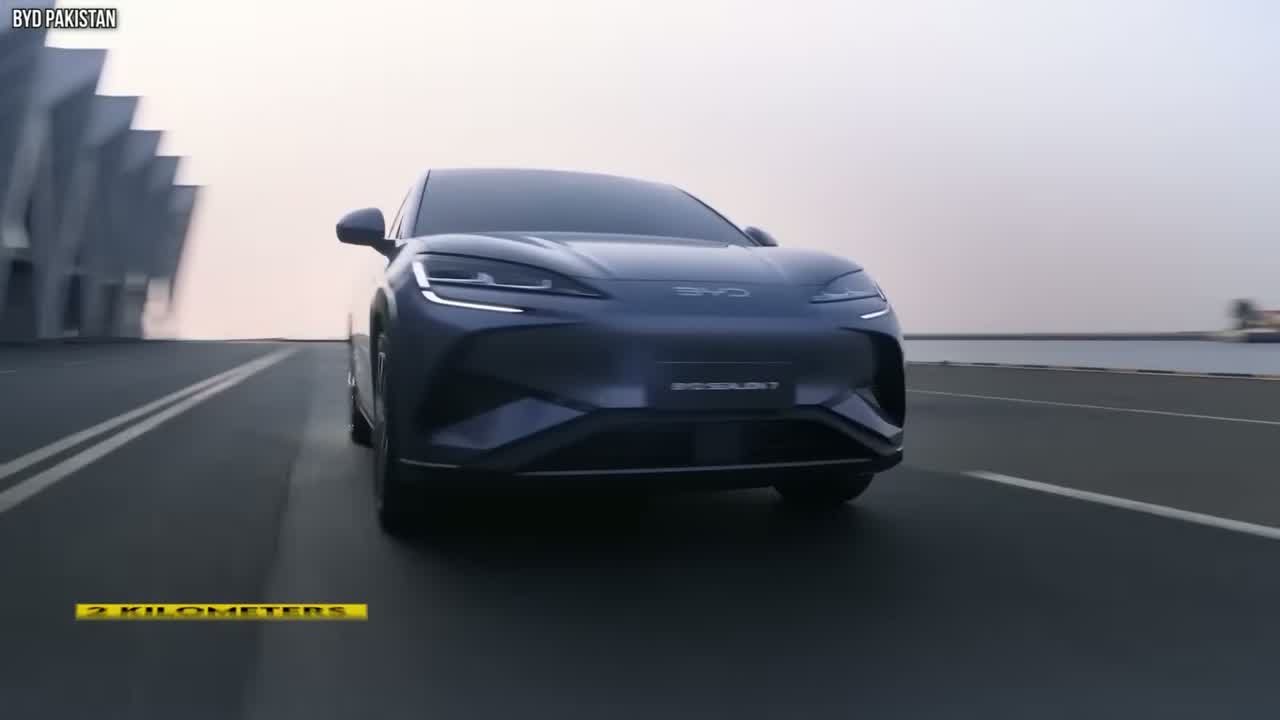
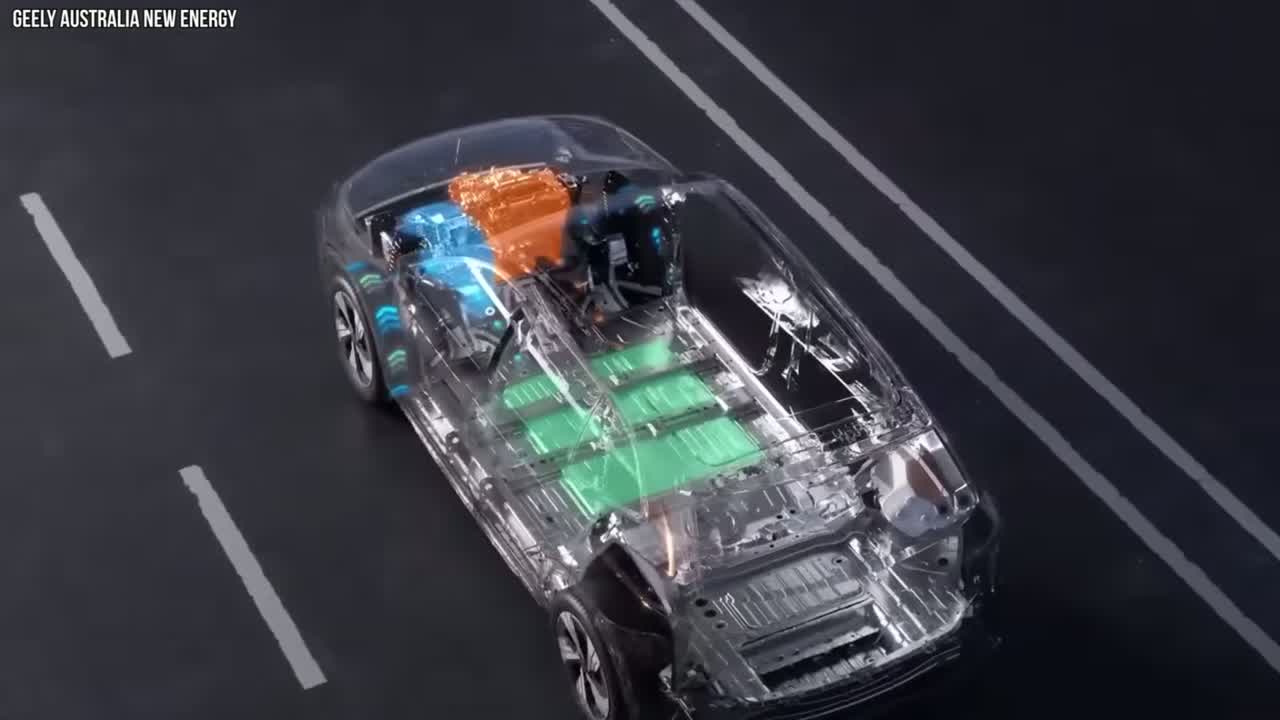
For years, battery engineers spoke of an “impossible triangle”: you could have fast charging, long life, or top-tier safety — but never all three at once. Push current in hard and you make heat; make heat and you cook the chemistry; baby the chemistry and you wait forever at the plug. Geely, the Chinese automaker behind Volvo and Polestar, says its new Aegis “Gold Brick” LFP pack ends that trade-off. It is not a lab curiosity: the cell is already shipping in the Lynk & Co 10 sedan on sale in China today.
The headline number is a certified peak charging input of 1,093 kW — the first EV battery in China to clear the 1-megawatt threshold under state-supervised testing by the China Automotive Technology and Research Center (CATARC). Expressed as a C-rate, that is roughly 12C, meaning the pack can be filled from empty in about five minutes. In the context of LFP — the cheap, safe, workhorse chemistry that was never known for speed — that was, until recently, the kind of claim engineers laughed off as impossible.
Charging speed (10–70%)
Rated lifespan (cycles)
Safety margin vs. new China law
Availability to US buyers today
The numbers that actually matter
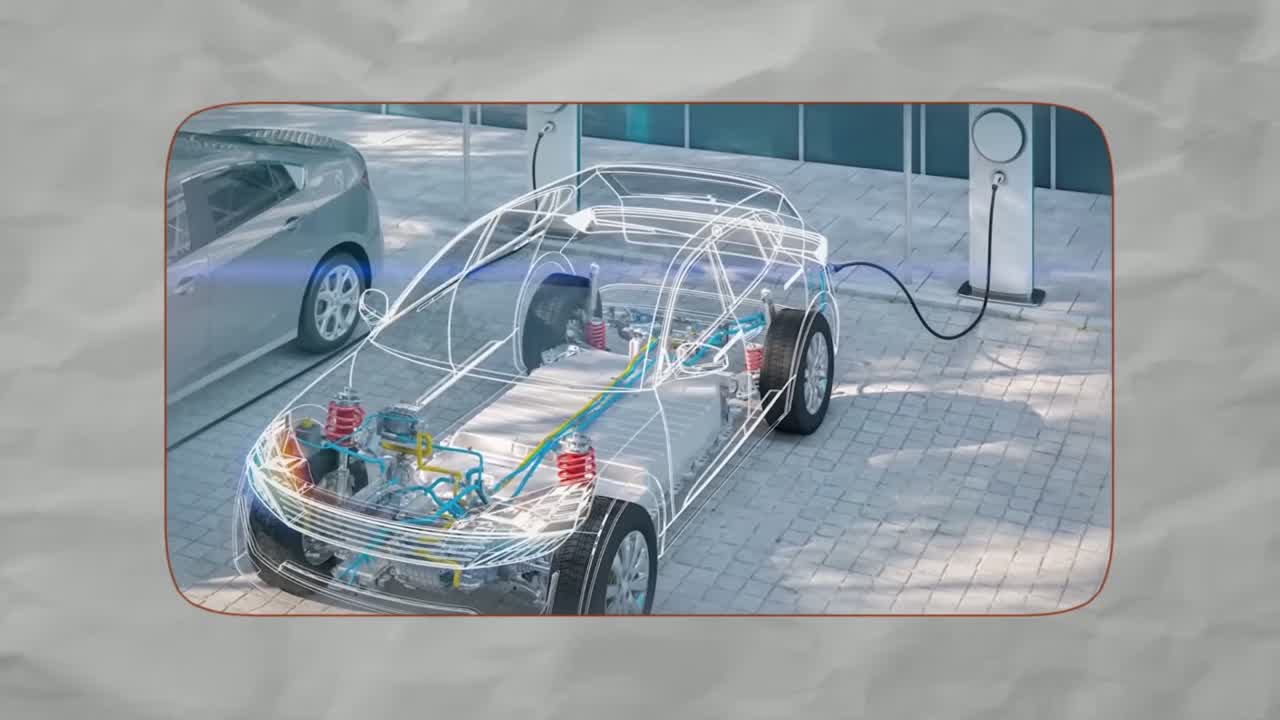
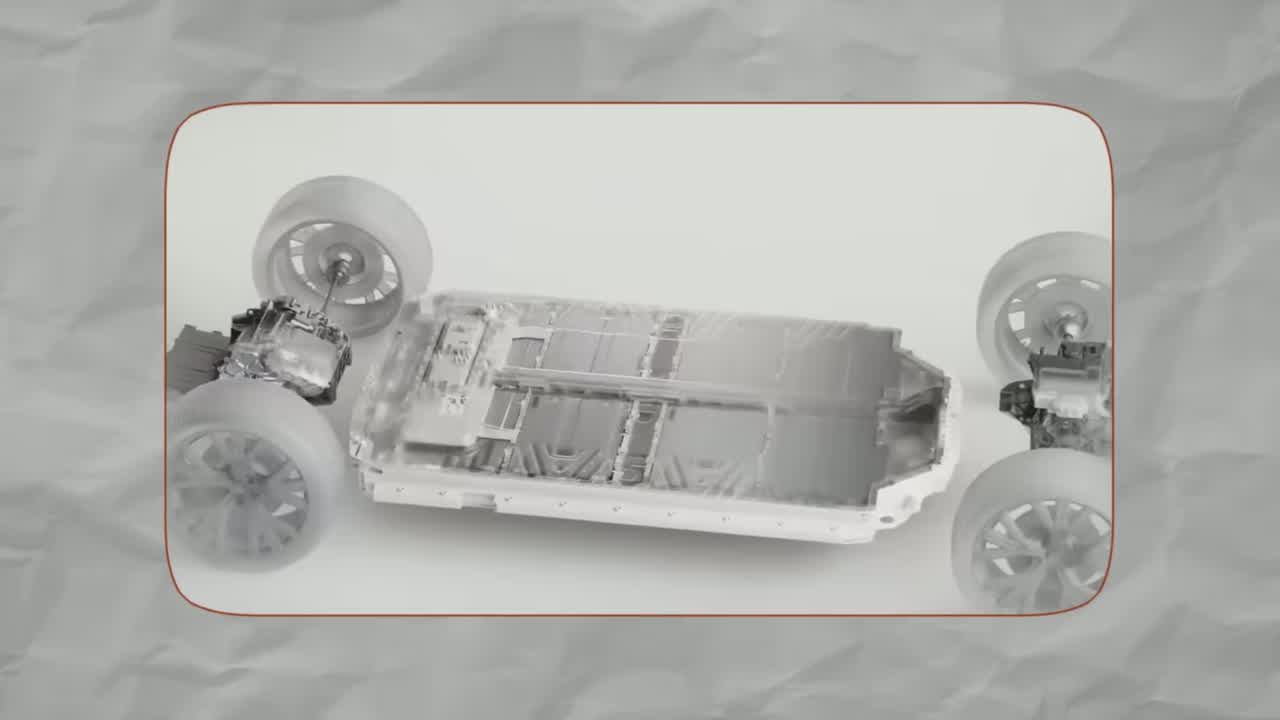
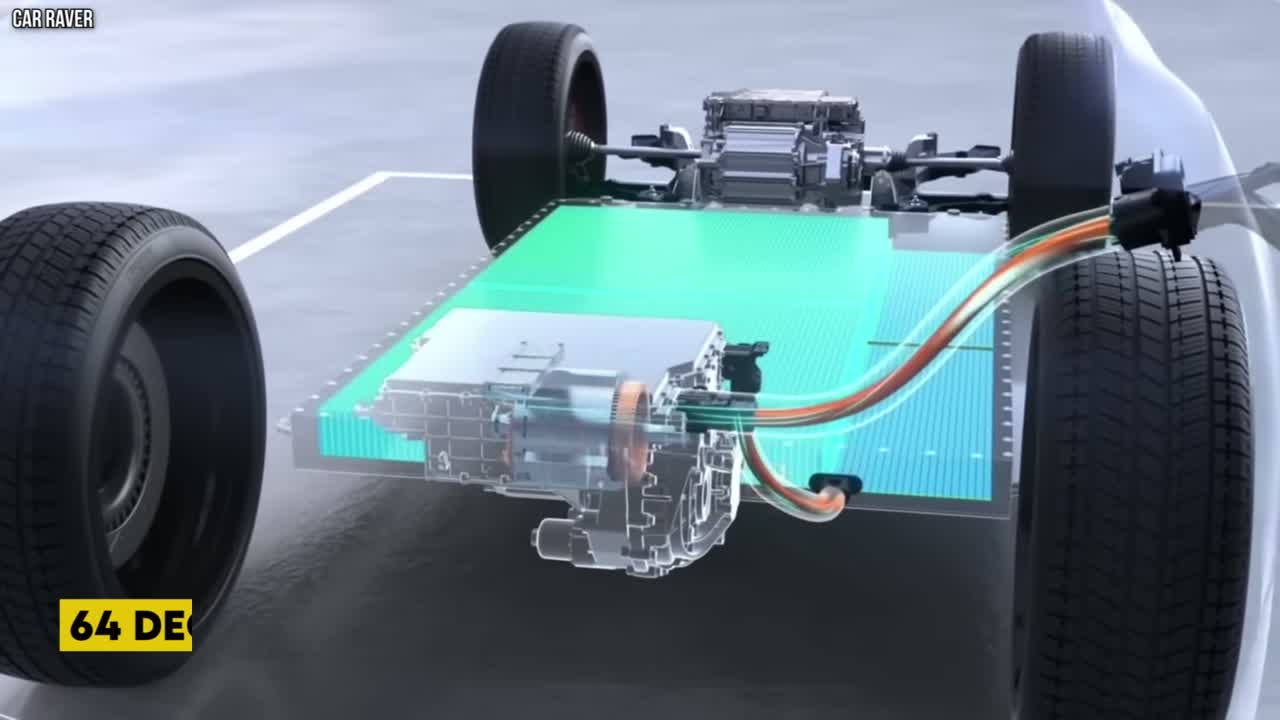
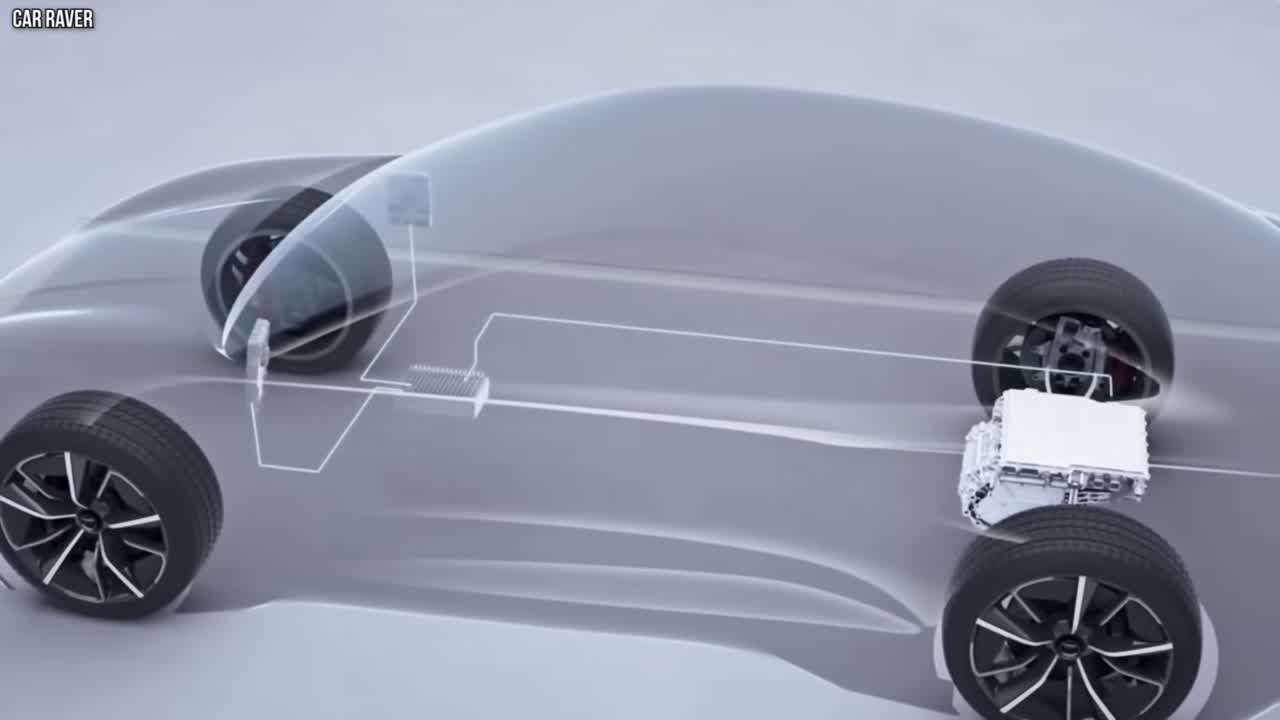
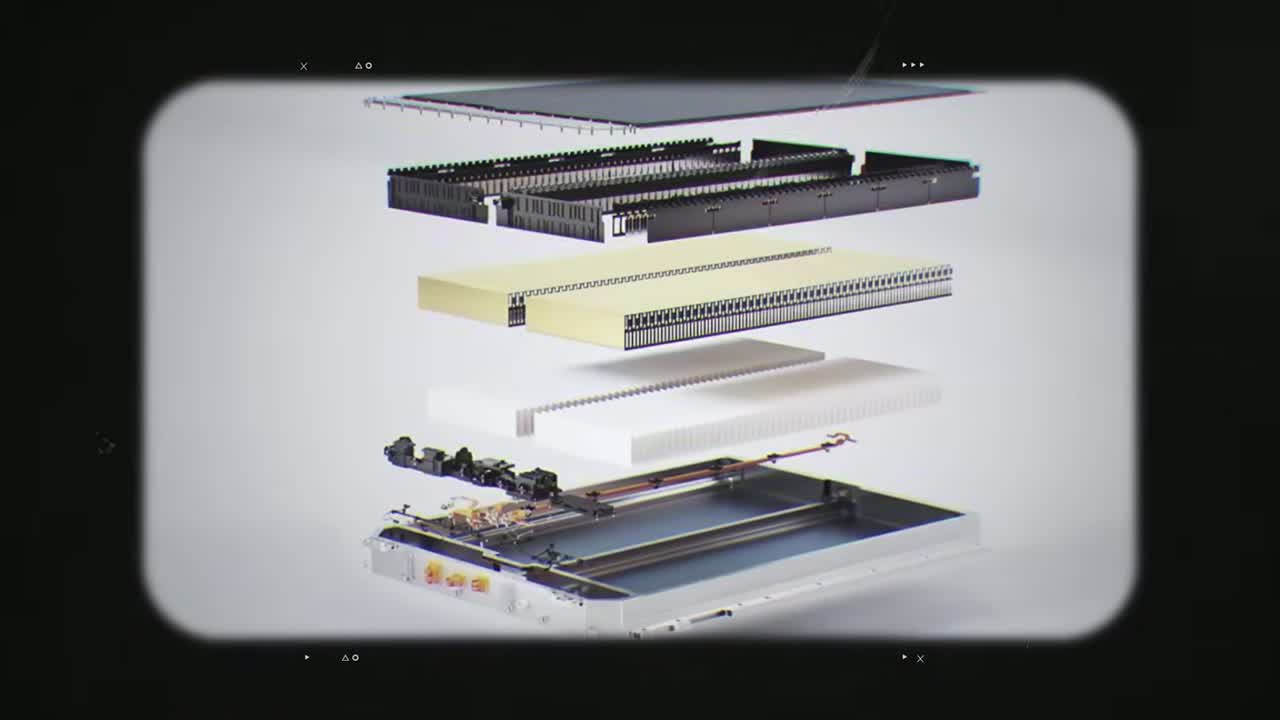
The speed is the part that gets quoted, but the restraint is the real story. During the 1,093 kW charge test the pack peaked at just 64°C — one degree under China’s legal 65°C charging-temperature cap for LFP. Holding that line while pushing more than a thousand kilowatts is a thermal-management feat, not a marketing one. Geely credits three stacked defenses: dual-sided liquid cooling that wraps every cell (a claimed ~35% cooling-efficiency gain over single-side plates), software that scans each cell dozens of times per second to predict hot spots, and an aerospace-grade insulating barrier that keeps one cell’s trouble from spreading to its neighbors. A 900-volt architecture — versus the 400V and 800V systems in most cars today — lets the pack move the same power with less current and therefore less heat.

On the road, the Lynk & Co 10 goes from 10% to 70% in 4 minutes 22 seconds, and all the way to 97% in 8 minutes 42 seconds. Geely frames that as about 2 kilometers of range recovered per second of charging — enough daily range to outpace the time it takes to buy a coffee.
One million kilometers: how the math works
The second corner of the triangle is lifespan. Geely rates the Gold Brick for 4,500 full charge cycles. Multiply that by a realistic ~220 km of real-world range per cycle and you get 990,000 km — which the company rounds to “about 1 million km.” Most Americans never keep a car past 200,000 miles, so the pack would almost certainly outlive the car around it.
Two mechanisms are doing the work. A self-healing SEI film seals the micro-cracks that fast charging normally opens up inside a cell, a gel buffer layer absorbs the physical swelling, and flexible binders hold the internals together through thousands of expand-and-contract cycles. On top, an “S+ active coating” acts like sunscreen for the electrodes, shielding them from the chemical wear that 12C charging would otherwise cause. The result, Geely claims, is a pack that can be ultra-fast-charged daily for years without its health collapsing.
Safety: beyond the new law
China’s new GB38031-2025 standard, in force since July 1, 2026, is the strictest battery safety rule on Earth: after thermal runaway begins, a pack must produce zero flames and zero explosions for at least two hours, plus pass a new underside-impact test. Geely says it certified its whole range a year early. Then it went further on its own — running more than 48 test programs and 48,000 hours of abuse, destroying thousands of cells and full packs. Highlights that read more like a dare than a quality check:
- A 36-ton tank rolled across a finished pack — 1.8× the national standard’s load — with no structural failure.
- A 5.56 mm round fired at 920 m/s straight through a charged cell; voltage stayed above 3.2 V, nothing caught fire.
- Five 5 mm steel needles driven into a cell from multiple angles at once, then watched for a full hour — no smoke, no flame, no explosion.
The philosophy is borrowed from Heinrich’s Law: hunt down the hundreds of near-misses and the one catastrophe never happens. Geely even open-sourced 12 underbody-safety patents to rivals, betting that raising the whole industry’s floor matters more than hoarding the secret.
Geely vs. BYD: the real-world battle
None of this happens in a vacuum. BYD’s flash-charging system can hit a higher 1,500 kW peak on dedicated megawatt stalls, and the Denza Z9 GT demonstrates 9-minute charging. On a spec sheet, BYD wins the biggest number. But peak bench power isn’t what a driver feels on a highway on-ramp. Geely focused on how much power the car can accept, not just how much the charger can blast out — and on the practical 10–70% and 10–97% measures, the Gold Brick gets you back on the road sooner. The catch: Geely’s megawatt charging leans on partner networks still in pilot stage across a few Chinese cities, while BYD already runs its own mature, expanding charger network. Best battery in the world means little if you can’t plug it in.
| System | Peak power | 10–70% / 10–97% charge | Architecture | Network reality |
|---|
| Geely Aegis Gold Brick (LFP) | 1,093 kW | 4m22s / 8m42s | 900V | Partner pilots, few cities |
| BYD Flash Charging (LFP) | 1,500 kW | ~5-min benchmark / 9 min (Z9 GT) | Megawatt stalls | Own mature network, expanding in EU |
| CATL reference (from EVCUBE coverage) | 4-min charge claim | 930-mi range target | — | Supplier to many brands |
What it means for US buyers
Here is the honest American read. The Lynk & Co 10 is not sold here, and a 100% Section 301 tariff keeps Chinese-brand EVs out of the US entirely. Even the cells face headwinds: tariffs on Chinese LFP batteries are around 65%, scheduled to rise toward ~82%, which is why Korean makers like LG Energy Solution and Samsung SDI are racing to fill the gap with US-built LFP for storage. And the $7,500 federal EV credit expired September 30, 2025, so the price argument for any fast-charging EV has shifted. What Geely proves, though, is that plain LFP — not some exotic chemistry — can deliver 4-minute charging and a million-kilometer life and bullet-proof safety at once. That raises the bar every rival, including the ones building cars on US soil, now has to clear.
It also reframes the solid-state hype. Billions are being poured into solid-state batteries to finally solve the same three problems at once — yet a chemistry that has been around for years may have just done it. As the industry asks whether that money would be better spent building chargers the way BYD does, American drivers should watch which breakthroughs actually cross the Pacific through licensing and local plants.
The cost curve that makes it inevitable
The reason this trickles outward is price. LFP cell costs have collapsed year over year, and that deflation is overwhelmingly a Chinese manufacturing story:
| Year | LFP cell price (USD/kWh, GWh scale) |
|---|
| 2022 | ~$100 |
| 2023 | mid-$70s |
| 2024 | $50s |
| 2026 | $36–50 |
In China, LFP already made up 81.5% of battery installations in April 2026, and CATL led global EV battery sales with roughly 39% market share to BYD’s ~16%. Cheap, safe, long-lived LFP is now the default — which is exactly why a 4-minute charge matters more than it would on an expensive niche chemistry.
Geely didn’t just build a faster battery. It rewrote the rulebook that said you could only ever pick two of three — and it did it with the chemistry your next affordable EV is most likely to use.
Is a 1-million-km LFP battery real or just marketing?
Geely’s 4,500-cycle figure comes from its own controlled testing, not independent long-term road validation, so treat the “million km” claim as a calculated projection, not a warranty. The physics behind the self-healing film, gel buffer, and S+ coating is sound, and the 64°C result under 1,093 kW is certified by CATARC — but real-world degradation depends on how often drivers actually use 12C charging, which few will do daily.
Why does the 65°C limit matter so much?
There is a well-known rule in battery engineering: for every 10°C above the optimal range, the rate of degradation roughly doubles. China’s GB38031-2025 caps LFP charging temperature at 65°C; Geely peaked at 64°C. Holding that line under a megawatt of input is the difference between a pack that lasts and one that cooks itself during fast charging.
Will Americans ever get a 4-minute-charge EV?
Not from Geely directly — Chinese-brand EVs face a 100% US tariff and Chinese LFP cells ~65–82%. But the underlying LFP advances spread through licensing, supplier tech, and competitors racing to match. The $7,500 federal credit expired Sept 30, 2025, so any such car here would lean on lower battery costs and local manufacturing rather than purchase subsidies.
Related reading on EVCUBE