EV Charging Stations in 2026: What American Drivers Actually Need to Know
July 23rd, 2026
By EVCUBE .NET
No Comments
EV Charging Stations in 2026: What American Drivers Actually Need to Know
EV Charging & Infrastructure · US Market
EV Charging Stations in 2026: What American Drivers Actually Need to Know
A small ribbon-cutting in Memphis this year is a perfect microcosm of the national story: the US public charging network just crossed 250,000 ports — but the number that matters more is reliability, and that’s where the picture is still sharply uneven.
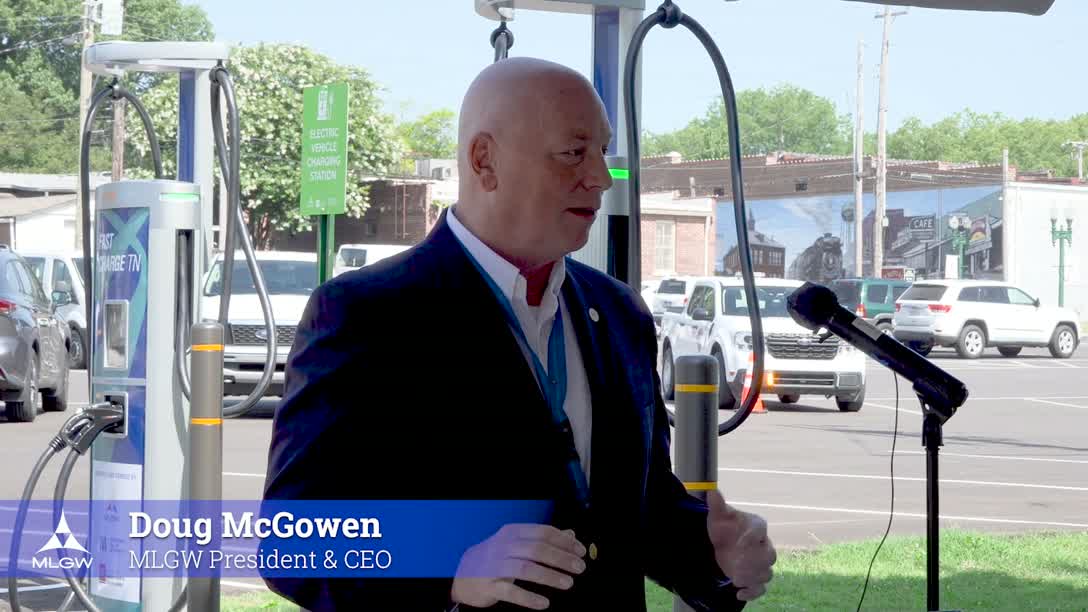
Two new Fast Charge Tennessee stations opened in Shelby County, bringing the county’s total to seven — a local instance of a nationwide build-out.
The Headline Number — and Why It’s Not the Whole Story
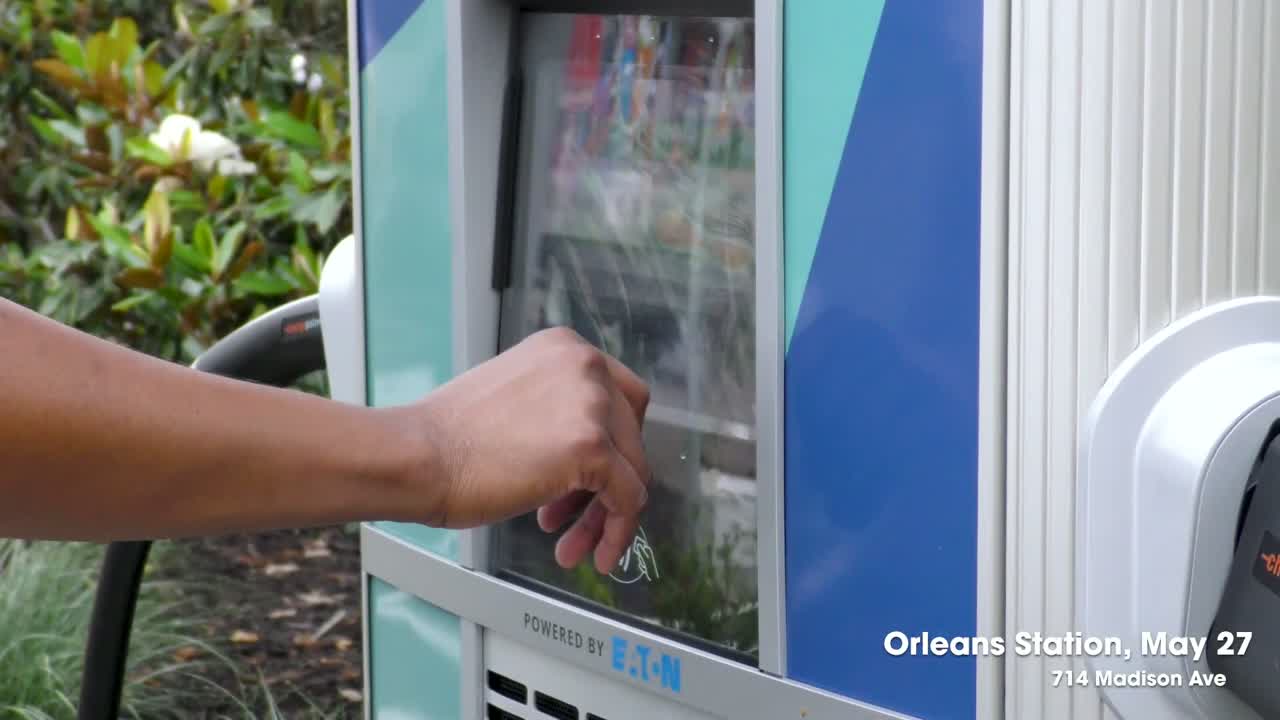
In Memphis, MLGW (Memphis Light, Gas and Water) opened two new Fast Charge Tennessee stations — one downtown on Madison Avenue, one in Arlington — each with Level 3 chargers that top up “most electric vehicles in 15 to 40 minutes.” They’re funded through a Tennessee state grant and partnerships, and they bring Shelby County’s Fast Charge Tennessee total to seven locations. Nice local progress.
Scale that up and you get the real 2026 milestone: according to the Department of Energy’s Alternative Fuels Data Center, the US public charging network passed 250,000 ports in June 2026 — 250,406 outlets across 80,543 stations, including more than 73,000 DC fast-charging ports and roughly 180,000 Level 2 plugs. That’s the headline. But a driver doesn’t experience “250,000 ports.” They experience one stall, on one rainy night, that either works or doesn’t.
Coverage is no longer the binding constraint on most interstates — uptime is.
Who Actually Runs the Network
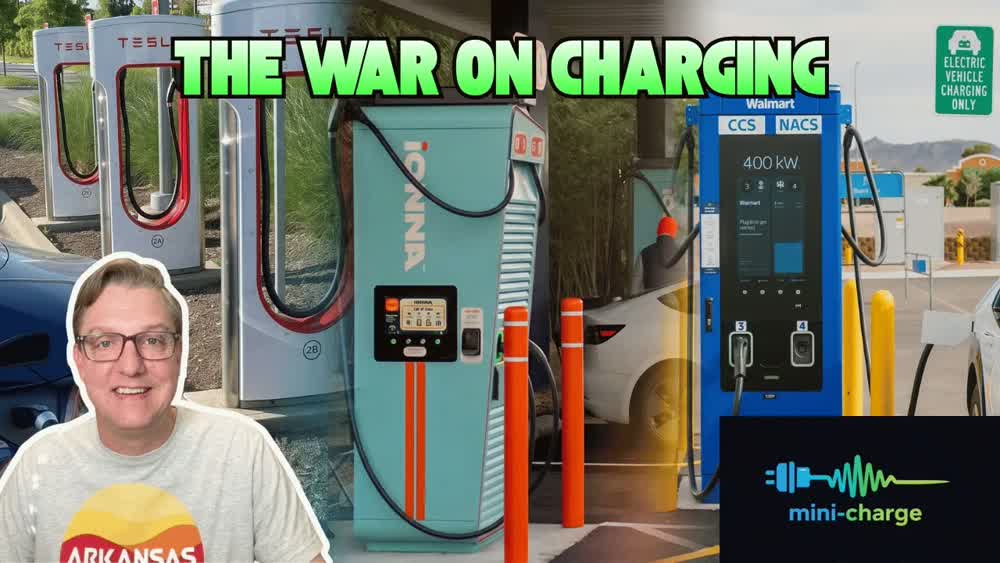
The DC fast-charging layer is concentrated in a handful of operators, and one dominates. Tesla operates roughly 38,000 Supercharger ports — about 51% of all US DC fast capacity — across ~3,088 stations, with V4 stalls now rated up to 500 kW. The rest of the field:
Network
DC Ports (mid-2026)
Peak
Uptime / Notes
Tesla Supercharger
~38,000
500 kW (V4)
>99.9%; satisfaction 745/1000 (JD Power)
Electrify America
~5,664
350 kW
~85–90%; highway spine, retail anchors
EVgo
~5,000+
350 kW
~88–90%; urban metros
ChargePoint
~4,800
250 kW
Leads Level 2 with 76,000+ plugs
Ionna (automaker JV)
~1,150
350 kW+
Premium hubs, NACS + CCS
Rivian Adventure Network
~1,000+
High-power
Crossed 1,000 stalls June 2026
Sources: DOE AFDC (Jun 2026), evchargingstations.com network tallies (Jun 2026), ievchina corridor analysis (May 2026). The top 10 networks account for roughly 84% of all DC fast ports.
Reliability Is the Real Divide
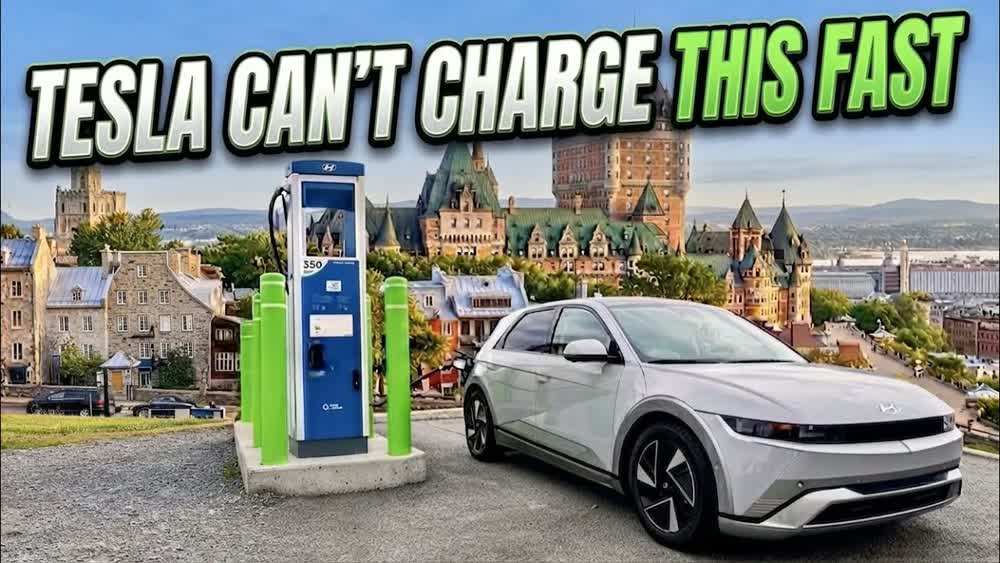
Here’s the number that should worry anyone buying an EV that isn’t a Tesla. Independent ICCT audits in 2024 found non-Tesla DC fast chargers had an out-of-service rate around 20%, versus under 4% for Superchargers. J.D. Power’s 2025 Public Charging Study put Tesla’s satisfaction score at 745 out of 1,000 — roughly 100 points ahead of every other network measured. A 20% chance your charger is dead is the difference between “planned a 10-minute stop” and “stranded 30 miles from the next option.”
What actually determines your charging experience
Uptime & connector access (Tesla >99.9%) Corridor coverage (NEVI filling gaps) Raw port count (misleading alone)
More ports doesn’t mean fewer headaches. A working stall you can actually plug into matters more than a big national total.
NEVI and the 50-Mile Promise
The federal NEVI (National Electric Vehicle Infrastructure) program — the $5 billion build-out — targets one DC fast-charging site every 50 miles along designated Alternative Fuel Corridors. By mid-2026, roughly 520–1,000+ NEVI-funded sites were open with several thousand stalls live, deliberately filling the gaps between the commercial networks. This is the quiet backbone that makes “I-anything coast to coast” plausible: Tesla already spaces Superchargers every 35–80 miles on the big interstates, and NEVI is mopping up the thin stretches.
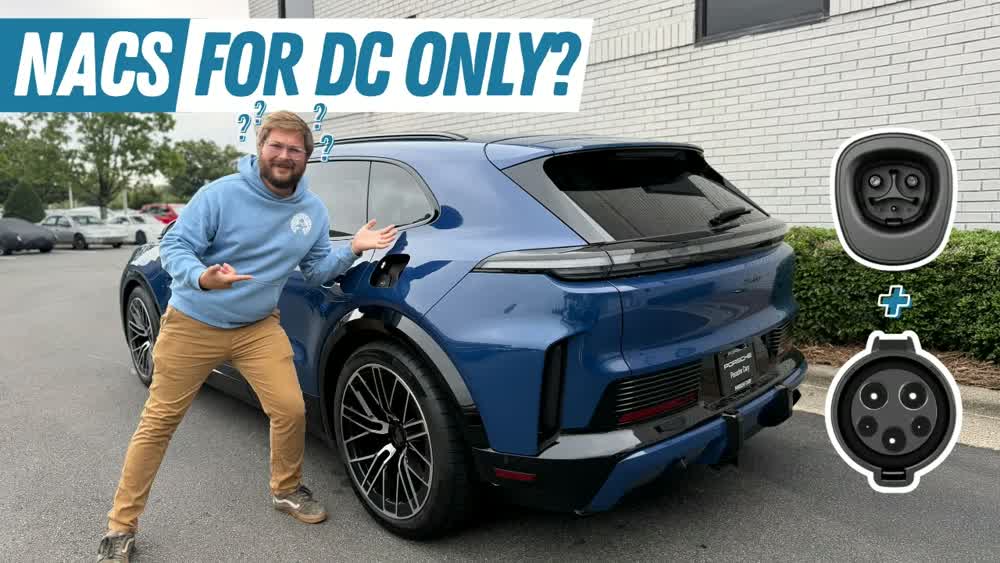
The NACS shift means almost every new US EV can now use a Supercharger with a free or low-cost adapter — collapsing the “which network?” problem.
The Connector Wars Are Basically Over
The single biggest usability win of 2024–2026 is consolidation. Ford, GM, Hyundai, Kia, Honda, Acura, Polestar, Rivian, Volvo, and Mercedes-Benz all adopted NACS (SAE J3400). Most new non-Tesla EVs now ship with a NACS port or a free adapter, and operators like Ionna install both NACS and CCS at every stall. That means the Supercharger network — once Tesla-only — is now the de facto backbone for nearly every EV on the road. Walmart’s network, the dark horse of the race, crossed 500 stalls by late May 2026 and is expanding fast through its retail footprint.
What It Means for Buyers
If you’re weighing whether an EV fits your life, the charging question has genuinely changed shape in 12 months. The anxiety used to be “will I find a charger?” In 2026, on major corridors, the answer is almost always yes. The remaining real risks are: (1) a non-Tesla car at a non-Tesla stall with a busted unit, and (2) charging at home, which still beats every public option on cost and convenience. Run the actual numbers for your mileage before you commit — our 2026 US owner math guide walks through it. And if a mainstream crossover is what you’re after, the Kia EV5 buyer’s guide shows what a polished, NACS-equipped daily driver looks like today.
A Few Honest Questions About US Charging
Is the US charging network good enough for road trips now?
On the major interstates, yes. Tesla Superchargers are spaced every 35–80 miles on I-5, I-95, I-80, I-10 and most of I-70, with NEVI filling thinner stretches at 50-mile intervals. The weak spots are rural off-corridor areas and, specifically, non-Tesla chargers with higher outage rates.
Should I worry about finding a working charger?
If you drive a Tesla or a NACS-adapter EV, the Supercharger network’s uptime is above 99.9%. If you rely on Electrify America, EVgo, or ChargePoint, independent audits show roughly a 20% out-of-service rate for non-Tesla DC chargers — so it pays to have a backup app (PlugShare) and a plan B stall.
What is NEVI and does it affect me?
NEVI is the $5 billion federal program building DC fast chargers every 50 miles along designated highway corridors. It mostly fills gaps between commercial networks, so its effect is indirect but real: more continuous coverage on long trips, especially in states with thin private investment.
Do I need a NACS adapter?
If you own a newer non-Tesla EV, you likely already have a NACS port or a free adapter from the manufacturer. That unlocks the Supercharger network — the most reliable in the country — which is why connector anxiety has dropped so sharply in 2026.
Sources
US DOE Alternative Fuels Data Center (AFDC): 250,406 public ports / 80,543 stations / 73,000+ DC fast (Jun 2026)
evchargingstations.com, “Largest DC Fast-Charging Networks in the US: June 2026” (Tesla ~38k ports / 51%; EA 5,664; EVgo 5,000+; ChargePoint ~4,800)
ievchina.com, US Interstate EV Charging Network Map 2026 (corridor spacing, uptime, JD Power satisfaction 745/1000)
ICCT 2024 audits: non-Tesla DCFC out-of-service ~20% vs Supercharger <4%
MLGW / Fast Charge Tennessee (Shelby County) local station opening — source video
Discover the most attractive leasing and financing options for electric vehicles (EVs) this November 2024. Whether you’re looking to lease or finance, there are some excellent deals available that cater…