No products in the cart.
EVCUBE.NET • VIDEO ANALYSIS
Why Used Car Prices Are Still High in 2026: Millions of Cars Are Missing
CNBC says the U.S. auto market has moved upmarket, and the latest BLS and Cox Automotive data still point to a tight used-car pipeline. Here is what the video gets right, what the numbers say now, and what used-EV shoppers should watch before they buy.
Watch the full report above, then use the analysis below to compare the video’s claims with current market data.
What the video is really saying
The key argument is simple: the U.S. auto market did not just get more expensive, it got narrower. Automakers moved upmarket, buyers drifted toward bigger and better-equipped vehicles, and the old pipeline that kept used inventory flowing never fully recovered after the pandemic shock.
That matters because used-car pricing does not reset on its own. When fewer new vehicles are sold, fewer leases come back, fewer trade-ins hit the auction lanes, and the whole market loses the low-cost inventory that once kept prices in check.
The video’s most important point is not a single price spike. It is the structural shortage underneath the used-car market.
Four numbers that explain the pressure
17.5M
Peak new-car sales
About a decade ago, U.S. new-vehicle sales hit a record high. The market has not returned to that volume.
16M
2026 forecast
Industry forecasts still sit below the old peak, which keeps the pipeline narrower than buyers remember.
33% → 18% → 24%
Lease share swing
Leases feed the used market. When they fell, the future supply of late-model used cars shrank with them.
$49,220
Cox Automotive ATP
Cox’s May 2026 report put the average transaction price at $49,220, with incentives still elevated.
What the latest market data says now
| Source | Date | What it shows |
|---|---|---|
| BLS CPI release | June 10, 2026 | The used cars and trucks category is still moving higher, which means retail prices have not fully reset. |
| Cox Automotive May ATP report | June 2026 | Average transaction price: $49,220. Cox also says incentive spending grew and remains elevated. |
| Manheim Used Vehicle Value Index | May 2026 | The wholesale side is still tight enough that pricing power has not disappeared. |
| CARFAX used-car index | Current market page | A current market-watch page worth checking if you want a second read on retail used-car trends. |
The pipeline chart: why the shortage lasts
Leases are the quiet engine behind a healthy used-car market. Once fewer leases were written during the pandemic, the market lost a large chunk of the cars that would normally cycle back to dealers two or three years later.
Lease share of new sales
When lease share drops, the used-car market feels it later. That is why today’s pricing pressure is still tied to decisions automakers made years ago.
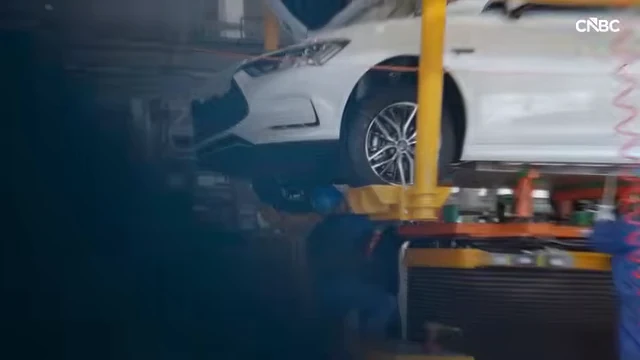
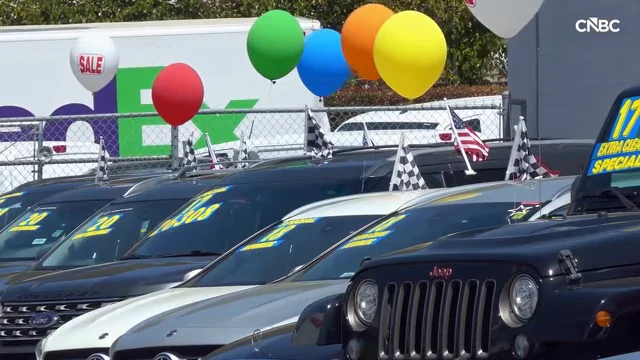
Five frames from the video

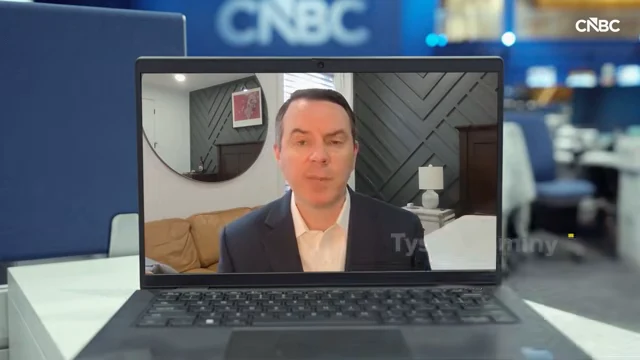

What this means if you are shopping for a used EV
The used-car story matters even more for EV buyers. A used EV can be a strong deal, but only if you price the whole ownership stack: battery condition, charging access, and the cost of making home charging easy.
If you charge at home, a Level 2 EV charger usually matters more than the marketing label on the car. In real life, buyers end up comparing a 48A EV charger, a 50A EV charger, or the included portable cord against the breaker space they actually have. On the road, the difference between a Tesla charger, a public EV charging station, and a local EV pile search result is really about convenience, connector compatibility, and trip planning.
If you want the practical side of this topic, read 17 EV Charging Mistakes You Should Never Make, Is the Included EV Charger Good Enough?, and ChargePoint Express Solo 600kW with Eaton.
Buying paths compared
| Option | Main upside | What to watch | Best for |
|---|---|---|---|
| New gasoline car | Factory warranty and predictable hardware | Payments are still high when incentives are thin | Drivers who want maximum simplicity |
| Used gasoline car | Lower sticker price than new | Used supply is still tight, so bargains can be smaller than they look | Budget-focused buyers who want broad fuel flexibility |
| Used EV | Lower running costs if you can charge at home | Battery health, charging access, and connector compatibility matter more | Buyers willing to check details before signing |
Source pages worth bookmarking
- BLS June 2026 CPI release for the latest used-cars-and-trucks inflation read.
- Cox Automotive May 2026 ATP report for pricing and incentive context.
- Manheim Used Vehicle Value Index for May 2026 for wholesale market pressure.
- CARFAX used-car index for a current market-watch view.
FAQ
Why are used car prices still high in 2026?
Because the supply pipeline is still smaller than normal. New-car production has favored higher trims, lease returns fell during the pandemic, and the used market is still missing millions of cars that would normally have flowed through the system.
Are used car prices expected to drop soon?
Not sharply unless new-car supply, leasing, and incentives all normalize together. The latest data still shows a market that is easing only slowly, which means used prices can remain sticky even when the headlines cool off.
Is a used EV a better deal than a used gas car?
It can be, but only if the battery health, charging access, and depreciation all line up. A used EV with a healthy battery and easy home charging can be much cheaper to run than a gas car, but the wrong example can erase the savings.
Do I need a Level 2 EV charger at home for a used EV?
If you drive every day and can install one, a Level 2 EV charger is usually the easiest way to live with an EV. It gives you overnight charging at home, which is far more convenient than relying only on public charging or a slow included cord.
What is the difference between a 48A EV charger and a 50A EV charger?
The label usually reflects the circuit and the continuous output rules, not just the charger name. In practice, you should size the circuit, wire, and breaker around the car, then let the electrician match the real charging load to your panel capacity.
Can I use a Tesla charger or public EV charging station with a used EV?
Often yes, but compatibility depends on the connector standard and the adapter support your car uses. Before you buy, confirm access to a Tesla charger or an EV charging station near home and on the trips you actually take.