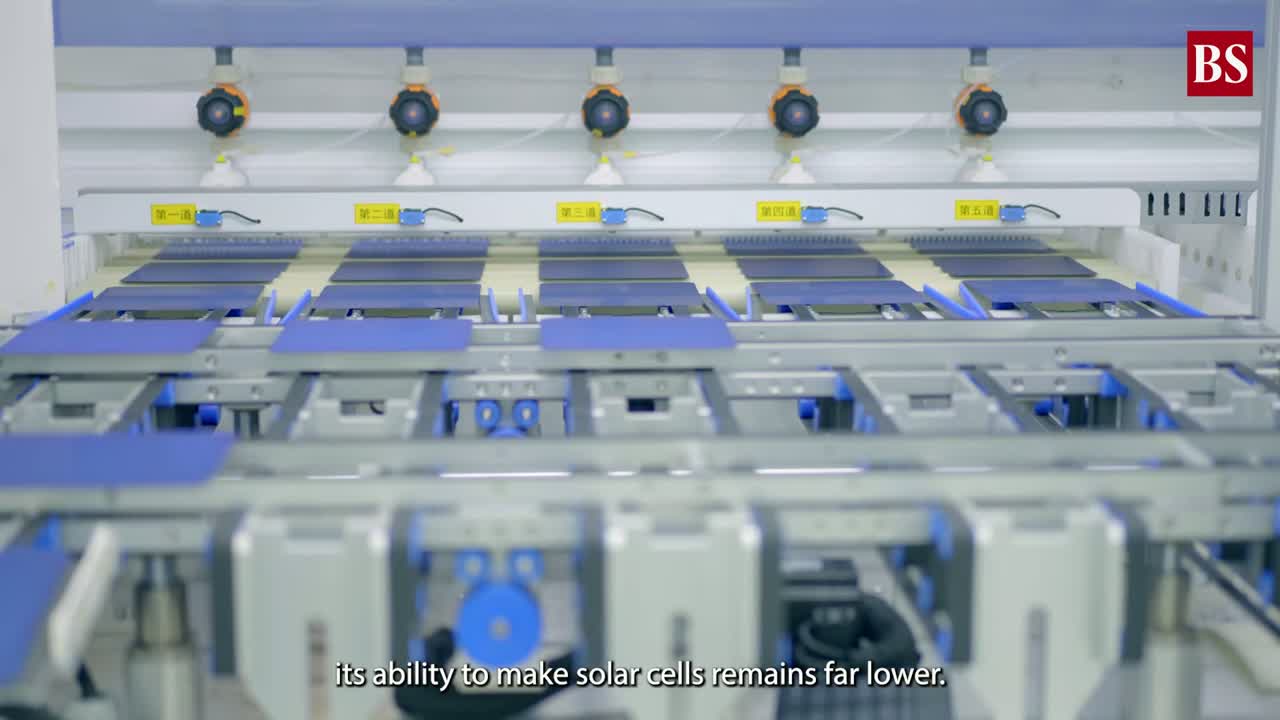
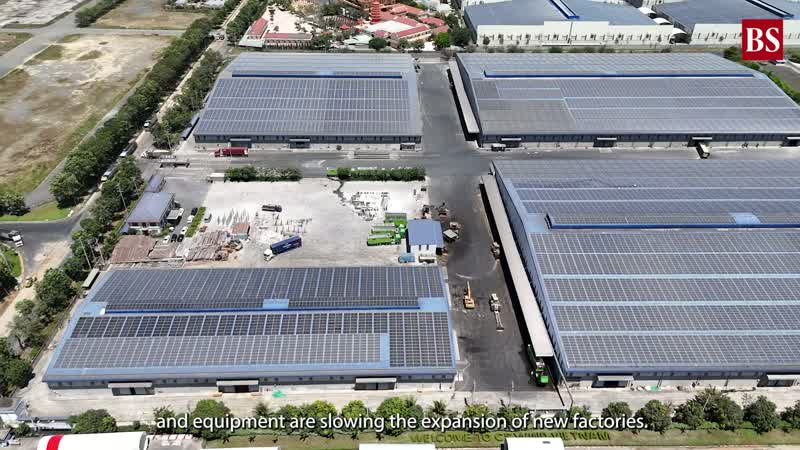
For American buyers and investors watching Washington pour billions into domestic clean-energy manufacturing, India just ran the experiment first — and the early verdict is a warning: a policy meant to build local solar factories is instead forcing many of them to shut their doors.

The policy that backfired
On June 1, 2026, India switched on a rule called ALMM List-II. In plain terms, any solar project backed by the government — and a large slice of India’s buildout is — now has to use solar cells made in India, not just panels assembled at home. The goal was noble and obvious: stop sending money to China and grow a real domestic supply chain.
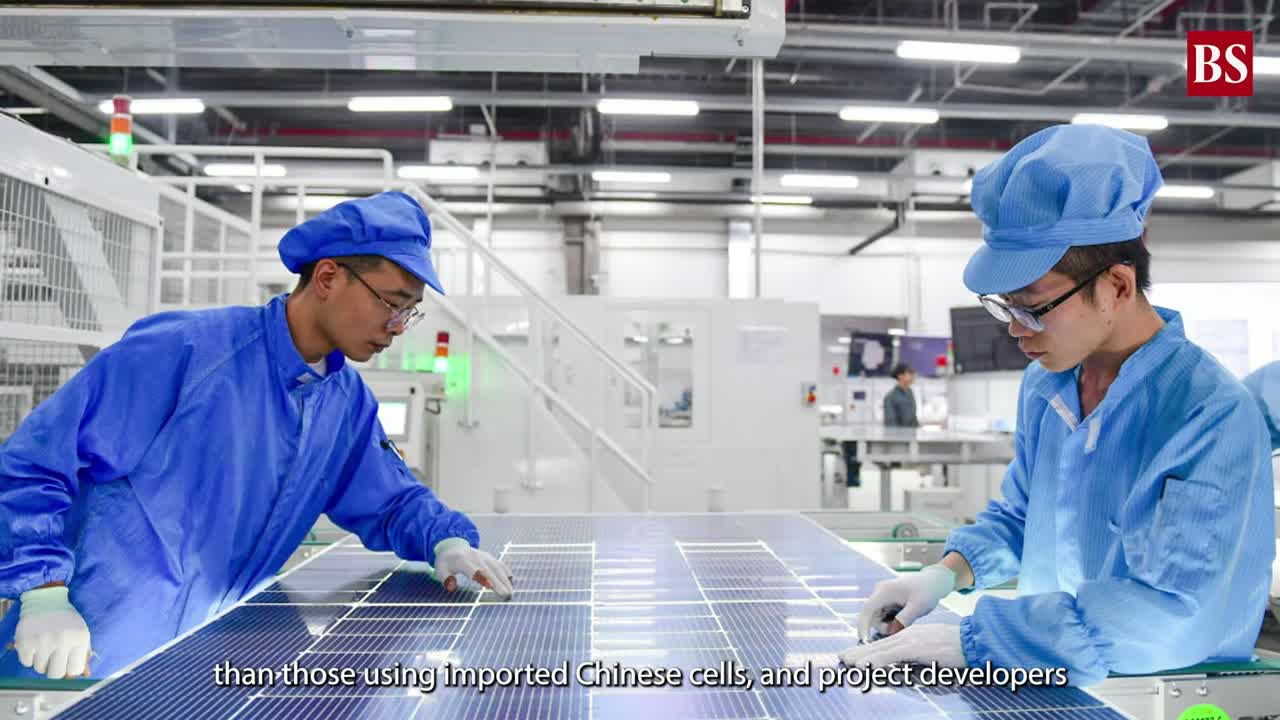
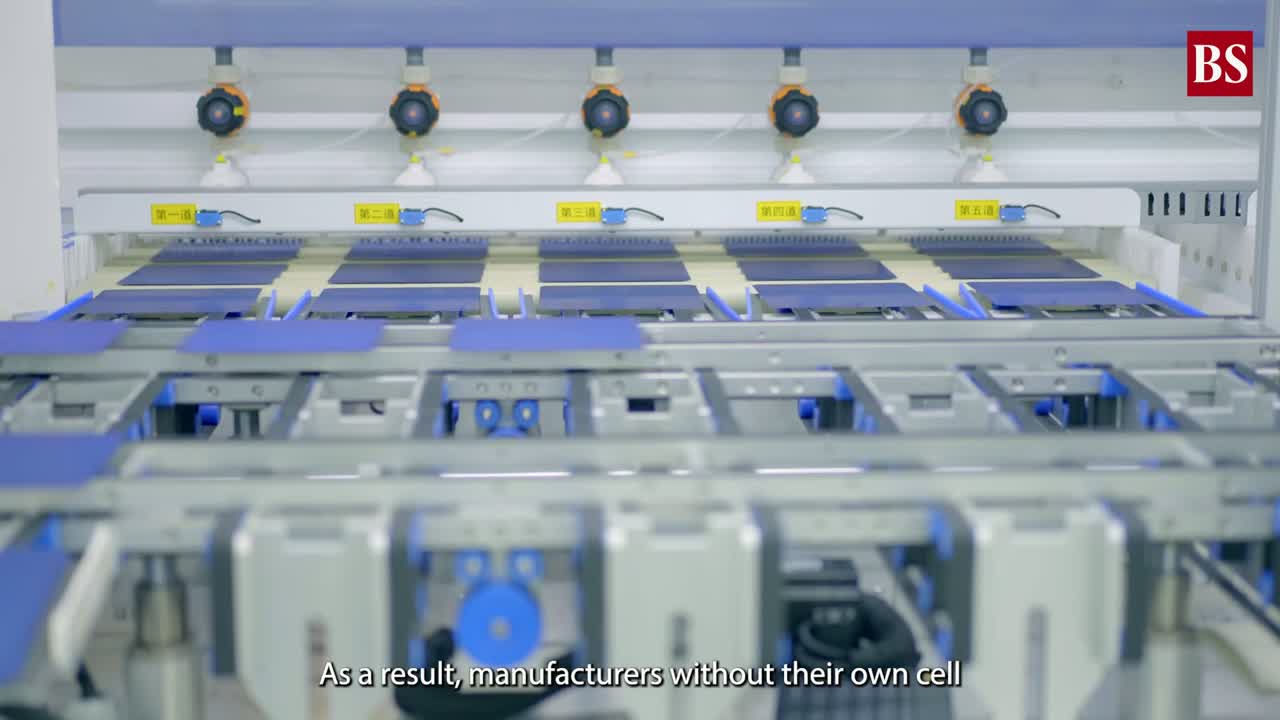
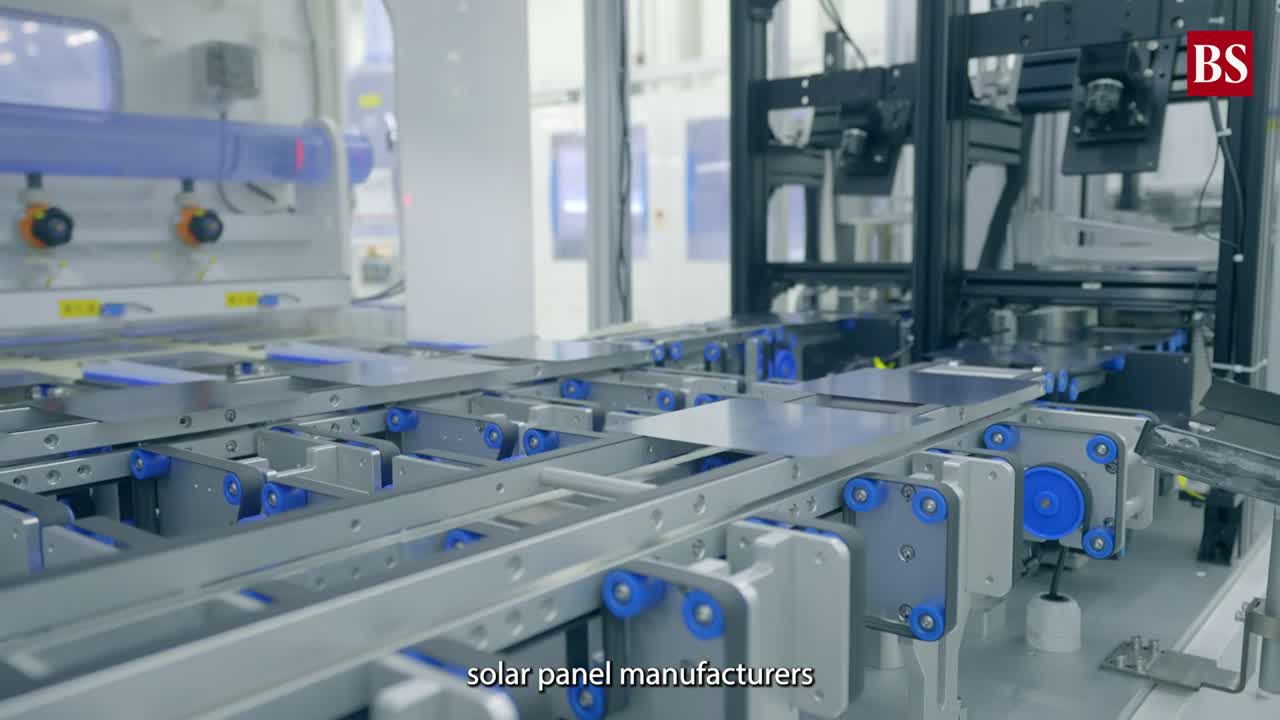
Instead, the policy exposed a crack in the foundation. India is excellent at building the outer shell of a solar panel. It is terrible at building the part that actually matters — the cell, the silicon heart that converts sunlight into electricity. The result, according to the All India Solar Module Manufacturers Association, is that nearly one in three of the country’s small and mid-sized panel makers have already stopped production, while many others have throttled output to a few days a month.
A 200 GW shell with a 30 GW engine
The numbers tell the story better than any pundit. India’s enlisted solar module capacity sits at roughly 194 GW (as of the May 2026 ALMM revision), up from 145 GW in January. That sounds like a triumph. But domestic cell capacity is only about 30 GW — and much of that is reserved for the vertically integrated giants, leaving a sliver for everyone else. Realistically, only 16 to 18 GW of cell capacity is actually running, per Germany’s EUPD Research. That is a near 10-to-1 gap between what India can assemble and what it can power.
| Segment | India capacity (2026) | Share of module capacity | Reality check |
|---|
| Modules (assembly) | ~194 GW (ALMM) | 100% | Mostly bolting imported cells into frames |
| Cells (the core) | ~30 GW (ALMM) | ~15% | Only 16–18 GW effectively running |
| Wafers / polysilicon | <6 GW / ~3 GW | <3% | Almost wholly imported, mostly from China |
| Annual cell demand | ~50 GW | — | Shortfall persists through 2027 |
Manufacturers without their own cell lines are now waiting six to eight months for domestic supply. Icon Solar, a mid-sized maker, told Reuters its output will collapse from 3.2 GW to about 1 GW this year — a 70% drop — simply because it cannot get Indian cells. In Gujarat alone, an estimated 45,000 jobs sit inside module shops that lack cell capacity.
The China price that broke the math
Here is the cruel irony. While India was building its assembly lines, China was doing something India could not: flooding the world with cheap cells. Chinese module prices have cratered to roughly 0.7 yuan per watt — about 10 U.S. cents — in mid-2026, a third of typical American module prices. Polysilicon, the raw material, fell from a peak near 300,000 yuan a ton to around 40,000–50,000 yuan. That glut is exactly why Indian developers loved Chinese cells: a panel built on scarce Indian cells costs nearly double one built on Chinese cells, and Indian cell production runs about 40% more expensive than China’s.
India’s cell self-reliance
China’s share of global solar value chain
And the dependency runs deeper than the panel. India still draws about 95% of its solar cell imports from China, and China controls more than 95% of the world’s wafer production and over 80% of every stage of the solar supply chain. When Beijing tightens exports of cell-making equipment and know-how — as it has — India’s dream of quickly scaling up slams into a wall it cannot tariff away.
Why India can’t just flip the switch
You can put a 40% customs duty on imported modules and 20% on cells. You can add anti-dumping levies of up to 30% on Chinese cells. You cannot conjure two decades of process expertise, yield optimization, and cheap capital overnight. Building a cell factory is not like opening an assembly line — it is closer to building an engine plant than screwing on wheels.
The proof is in the wreckage. In May 2026, state-owned Coal India dissolved its solar manufacturing subsidiary, CIL Solar PV Ltd, quietly killing a planned 4 GW integrated factory before it broke ground. The government’s own Production Linked Incentive scheme has earmarked about 24,000 crore rupees (roughly $2.9 billion) to seed an integrated ecosystem, and it may eventually deliver ~48 GW of capacity — but that is a multi-year climb, not a June deadline.
What it means for the energy transition — and for U.S. policy
Project developers estimate costs could rise about 35% until cell supply improves, and India’s 500 GW non-fossil target by 2030 now hinges on fixing a bottleneck it created by fiat. Solar was supposed to be the engine of that goal; today it is the constraint. If the cell shortage drags on, timelines slip, coal stays online longer, and the clean-energy math gets harder.
For American readers, the lesson is pointed. The U.S. is running its own version of this playbook — domestic-content bonuses, tariffs, and the remnants of the Inflation Reduction Act’s manufacturing credits. India shows that you can legislate demand for local parts, but you cannot legislate the parts into existence. A factory that only assembles is one policy away from a shutter. The countries that win the energy transition will be the ones that build the engine, not just the shell.

India didn’t build a solar industry. It built a solar assembly line — and then banned the one part that made it run.
FAQ: Could India simply buy more Chinese cells to close the gap?
Not easily. The ALMM List-II rule now bars government-backed projects from using imported cells, so the policy itself created the shortage it is trying to solve. Developers outside those mandates still import, but the bulk of India’s pipeline is captured by the rule — which is precisely why a 35% cost spike and factory shutdowns are showing up now.
FAQ: Is this purely an India problem?
No. The same upstream bottleneck — cells, wafers, and polysilicon — is the weak spot for almost every country trying to “de-risk” from China, including the U.S. and the EU. The difference is scale: India enforced a hard local-content mandate before its cell base existed, turning a structural gap into an immediate crisis.
FAQ: What would actually fix it?
Time plus capital. Analysts at EUPD Research estimate closing the cell gap will take 3 to 5 years of sustained investment in cell, wafer, and polysilicon capacity — plus access to Chinese equipment and technology that is currently restricted. Tariffs buy urgency; only factories buy self-reliance.
Related reading on EVCUBE