Texas just survived record-shattering power demand in a brutal heat wave — and the difference between 2026 and the 2021 blackout is written in solar panels and batteries.
From 2021 freeze to 2026 heat
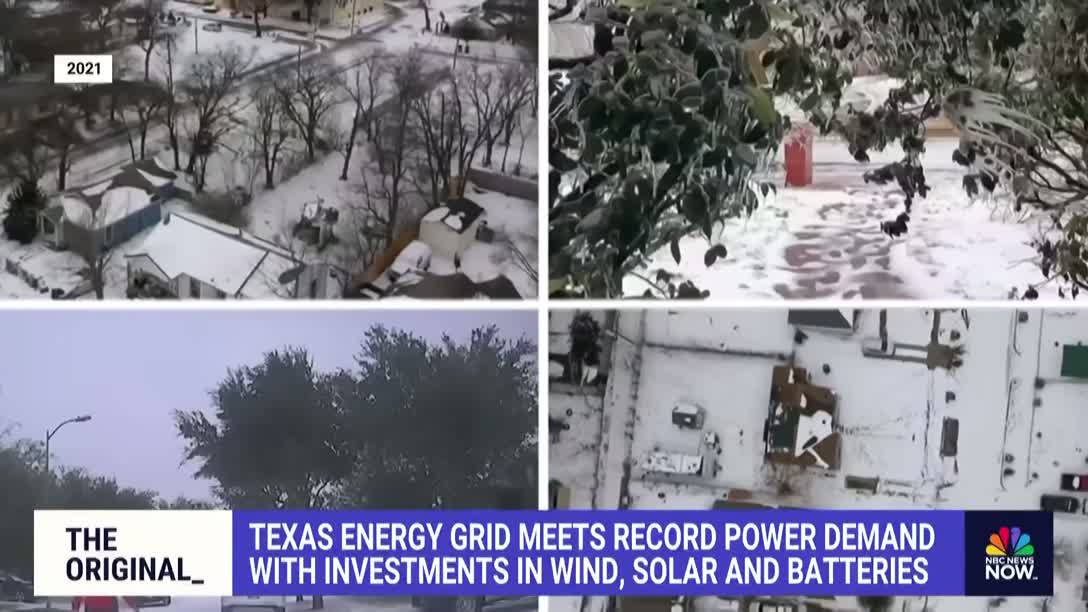
The contrast is stark. In February 2021, a deep freeze left millions of Texans without power for more than 36 hours as natural gas lines froze and plants shut down. This summer, with temperatures consistently in the triple digits, the state has met extreme demand without major outages. The reason, NBC News reports, is a deliberate rebuild: large investments in natural gas, power-plant winterization, and — decisively — renewables.

“When God made Texas, he made the sun to shine when the wind doesn’t blow and the wind to blow when the sun doesn’t shine,” a Texas A&M power expert told the network. Texas now leads the US in wind power and ranks second in solar behind only California.
The numbers behind the quiet win
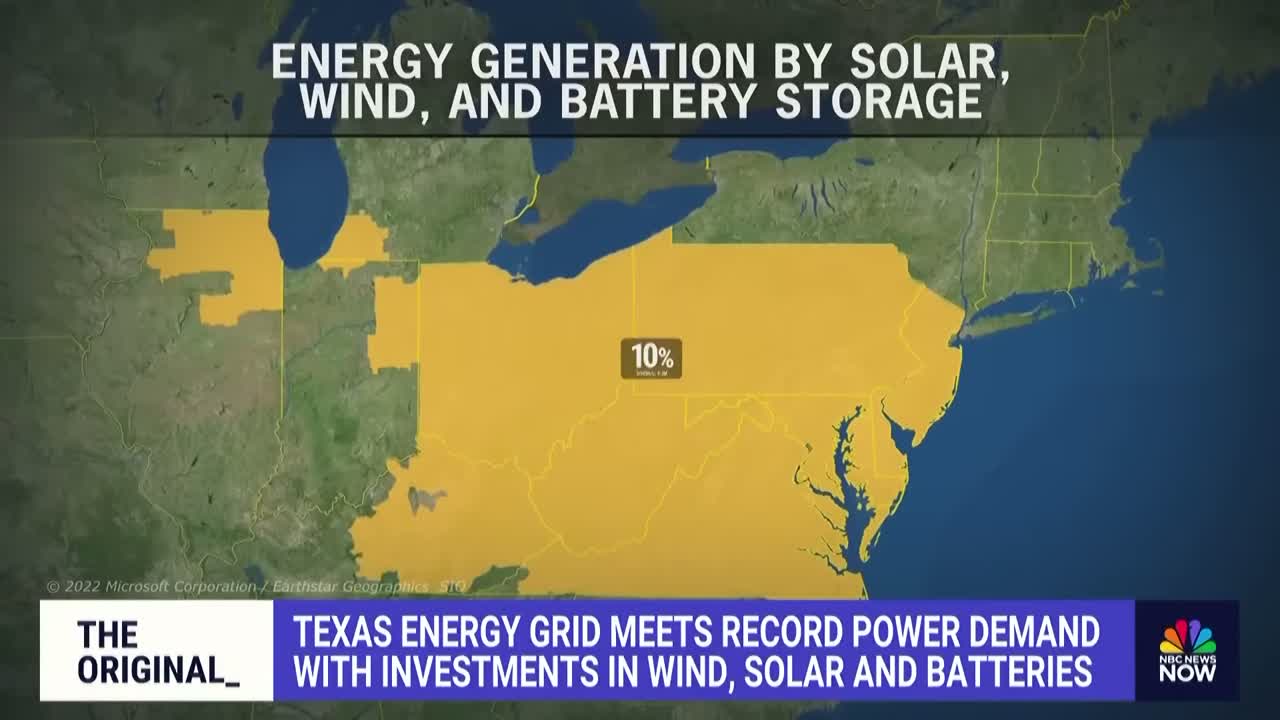
On any given day, solar, wind, and battery storage can now account for 35% of all generation in Texas — nearly matching natural gas. The specifics are what kept the lights on through the July 2026 heat:
| Metric | 2026 figure |
|---|
| ERCOT peak demand (Jul 22, 2026) | 91,000+ MW — a new record |
| Previous record | 85,508 MW (Aug 2023) |
| Solar capacity | 39,000+ MW |
| Grid-scale battery storage | 14 GW (doubled from 7.8 GW in Jan 2025) |
| Solar’s share of generation | ~14%, now exceeding coal |
| Summer 2026 peak forecast | 92,211 MW |

The battery buildout is the unsung hero. Excess midday solar charges batteries that discharge during the 6–9 p.m. evening ramp when the sun fades but air conditioners keep running — flattening the dreaded “duck curve” and cutting the $200+/MWh price spikes that defined summer 2025.
Solar + wind + storage share
Battery storage growth
Grid reliability vs 2021
Why EV drivers should care
A grid this renewable-heavy makes charging an EV in Texas genuinely clean — and increasingly cheap during midday solar peaks. It also opens the door to vehicle-to-grid (V2G): with hundreds of thousands of EVs, their idle batteries could one day shore up exactly the evening ramp that batteries handle today. The same storage economics that saved Texas this summer are the foundation for mass EV adoption.
For the charging side of the story, see our guides to EV charging stations in 2026 and the US charging landscape.
Could Texas handle EV adoption on top of data centers?
Largely yes, with caveats. ERCOT’s planning reserve margin for summer 2026 is 18.3%, and more than 58 GW of new generation has come online since 2025. The real pressure is structural: data centers (a 40+ GW interconnection queue, with 342 centers drawing 7.6 GW) are the fastest-growing load. EVs add flexible, deferrable demand that storage and smart charging can absorb — if managed well.
Related reading on EVCUBE