A longtime Tesla Model Y owner spent real time in the refreshed 2026 Hyundai Ioniq 5 — and the verdict is more interesting than the spec sheet suggests.
The elephant in the room: 5-to-1
The host owns a long-term Model Y and points out the awkward truth up front: last year the Tesla Model Y outsold the Hyundai Ioniq 5 by more than five to one in the US. “That doesn’t necessarily mean it’s better,” he notes — and the refreshed 2026 Ioniq 5 is the strongest argument yet that sales volume and product quality aren’t the same thing.

What changed for 2026
Hyundai kept the major hardware from the 2025 facelift and instead slashed prices. The Ioniq 5 now starts around $36,600 for the SE Standard Range — cuts of up to $9,800 versus 2025 stickers — and every trim carries the 800-volt architecture and a native NACS port for Supercharger access without an adapter.
| Spec | 2026 Ioniq 5 (Long Range RWD) | 2026 Model Y (Long Range) |
|---|
| EPA range | up to 318 miles | up to ~320 miles |
| Peak DC charge | 350 kW (800V) | 250 kW |
| 10–80% time | ~18–20 min | ~27 min |
| Starting price | ~$36,600 | ~$46,000 |
| Charging port | Native NACS | Native NACS |

Ioniq 5 charge speed
Model Y range
Ioniq 5 price value
The honest owner take
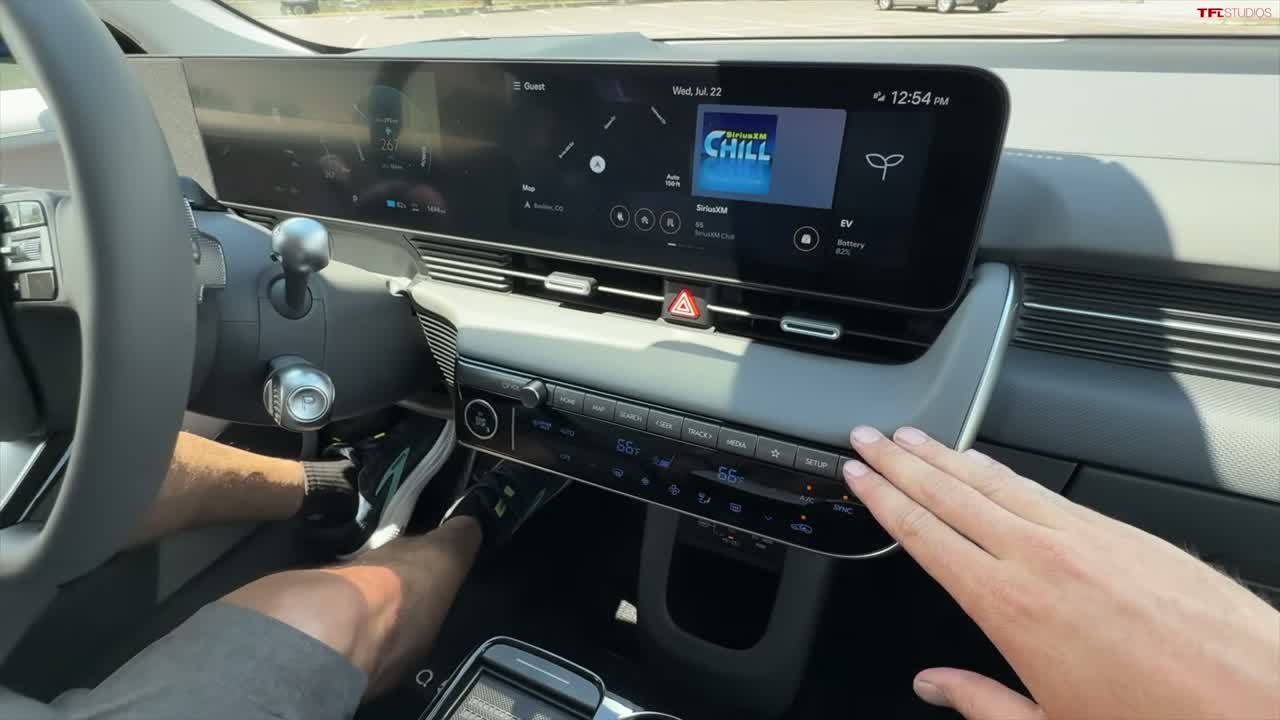
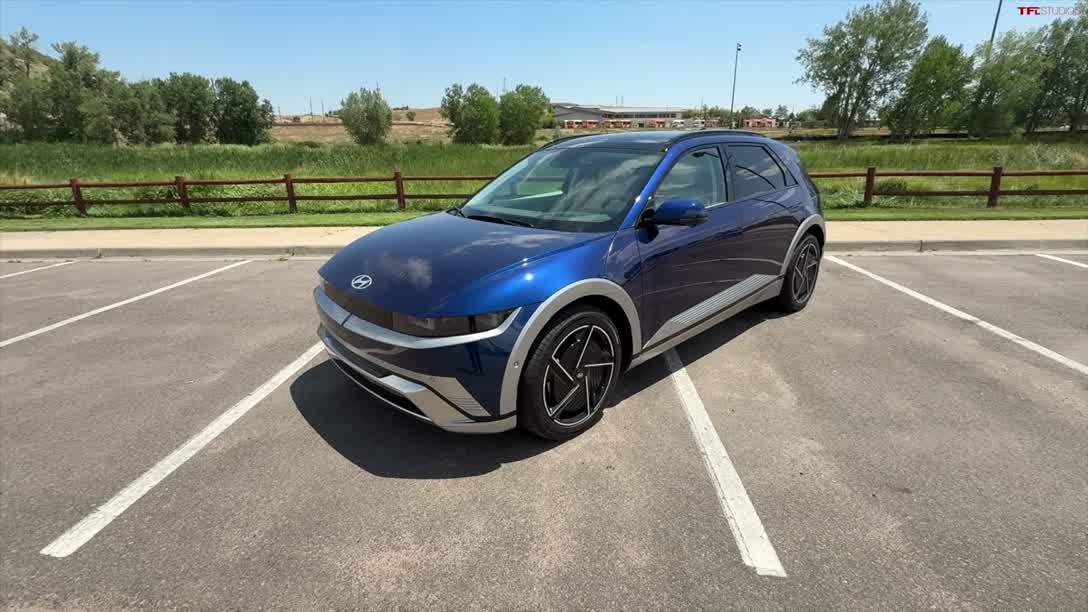
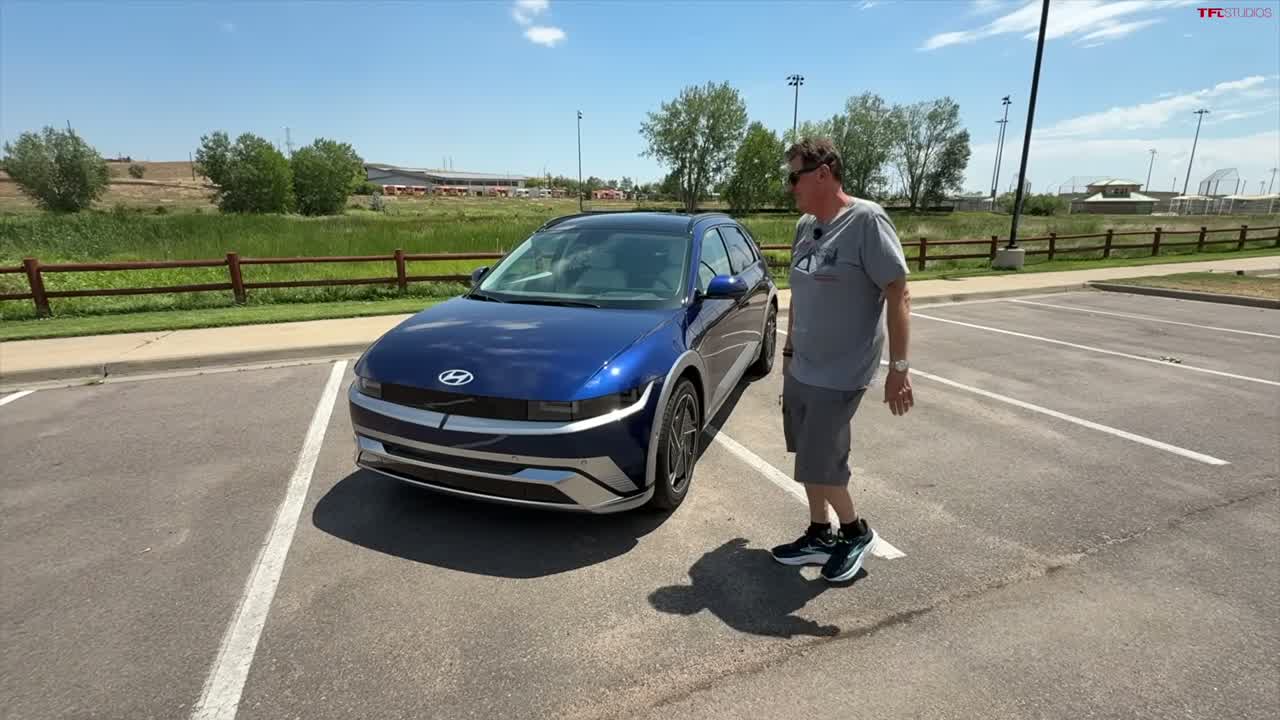
The reviewer’s read: the Ioniq 5 wins on comfort, cabin materials, and the sheer speed of a plug stop — its 800V architecture means a quicker top-up than the Model Y can manage. The Model Y counter-punches with marginally better range, a more mature software experience, and the unbeatable Supercharger network. Neither is “wrong”; they’re tuned for different buyers. The cosmic-blue Ioniq 5 Limited he drove won him over on looks and ride, but he’d still cross-shop both.
For context on what you’d pay to run either, our Model Y efficiency road-trip test and the 2026 EV owner math guide break down real-world costs.
Should I pick the Ioniq 5 or the Model Y?
If fast charging, cabin comfort, and a lower sticker matter most, the 2026 Ioniq 5 is the stronger value. If you prioritize range, software polish, and network access, the Model Y still leads. Both now share the NACS plug, so charging access is no longer the differentiator it once was.
Related reading on EVCUBE
Sources: KBB — Hyundai Ioniq 5 is our Electric Vehicle Best Buy of 2026; TFLEV “What a Tesla owner thinks of the updated 2026 Hyundai Ioniq 5”;
Hyundai 2026 Ioniq 5 specs; nextcarreview 2026 Model Y vs Ioniq 5 comparison.