Tesla just made two quiet-but-significant connectivity moves at once: Grok can now make phone calls from the car, and Starlink’s new V5 terminal is built directly into the Cybercab.
Grok leaves the passenger seat
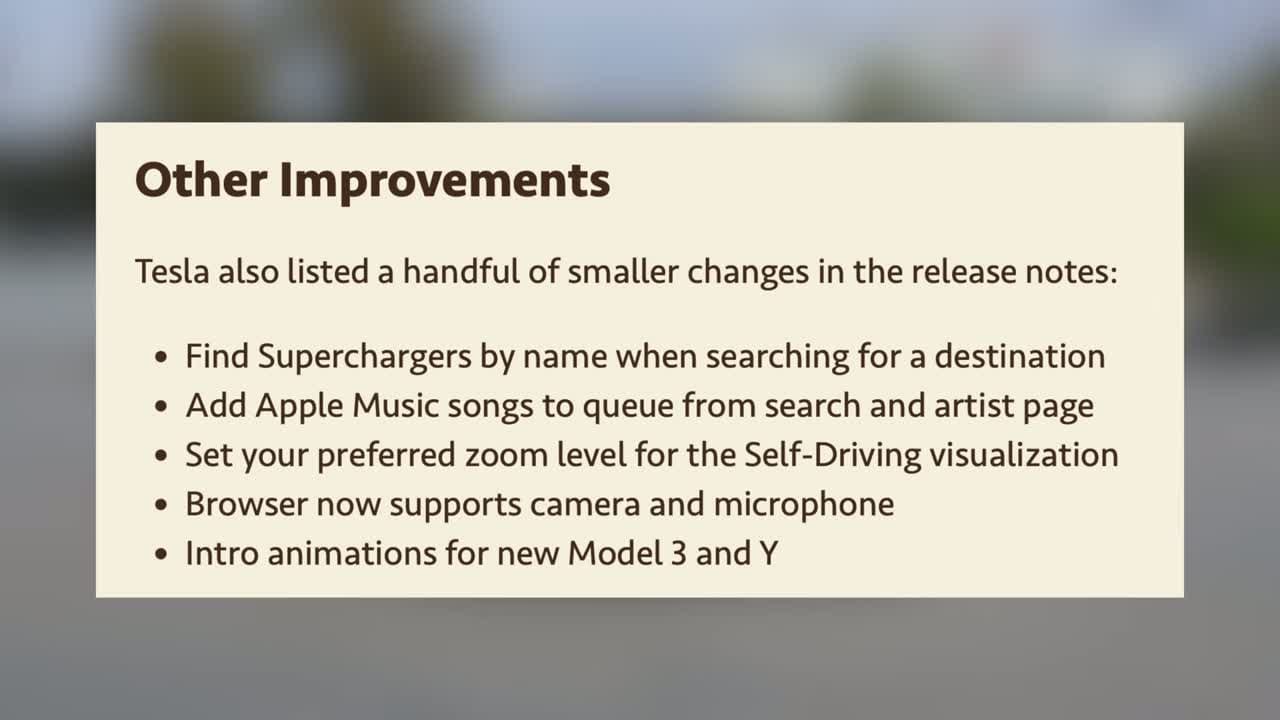
The headline of Tesla’s 2026 summer update is that Grok — the AI assistant baked into newer Teslas — can finally do things inside the car. Until recently it could barely plan a route. Now it can place a phone call, search for and play music, adjust the climate, open the glove box, and answer questions about your specific vehicle. For owners frustrated by the old voice commands (the host noted they failed “90% of the time” on specific song requests), a smarter assistant is a real quality-of-life win.

Starlink goes mobile — on the Cybercab
The bigger story is connectivity from orbit. Tesla confirmed the Cybercab will be the first vehicle with Starlink V5 integrated directly into the body — a satellite terminal mounted at the rear. The V5 hardware is a genuine leap over the V4 it replaces:
| Spec | Starlink V5 |
|---|
| Weight | 1.1 kg — 62% lighter than V4, 35% smaller |
| Download speed | 375 Mbps+ |
| Power draw | 35–50 watts (roughly half of V4) |
| Wind resistance | up to 265 km/h (vs 97 km/h on V4) |
Crucially, Tesla’s Head of AI, Ashok Elluswamy, clarified that the link is not safety-critical. “It is still not required for safe operation of the vehicle. Connectivity is primarily meant for navigation, customer service and, in general, fleet management.” The Cybercab’s self-driving stack runs entirely on the car’s own computer and works with no connection at all.
Why it actually matters
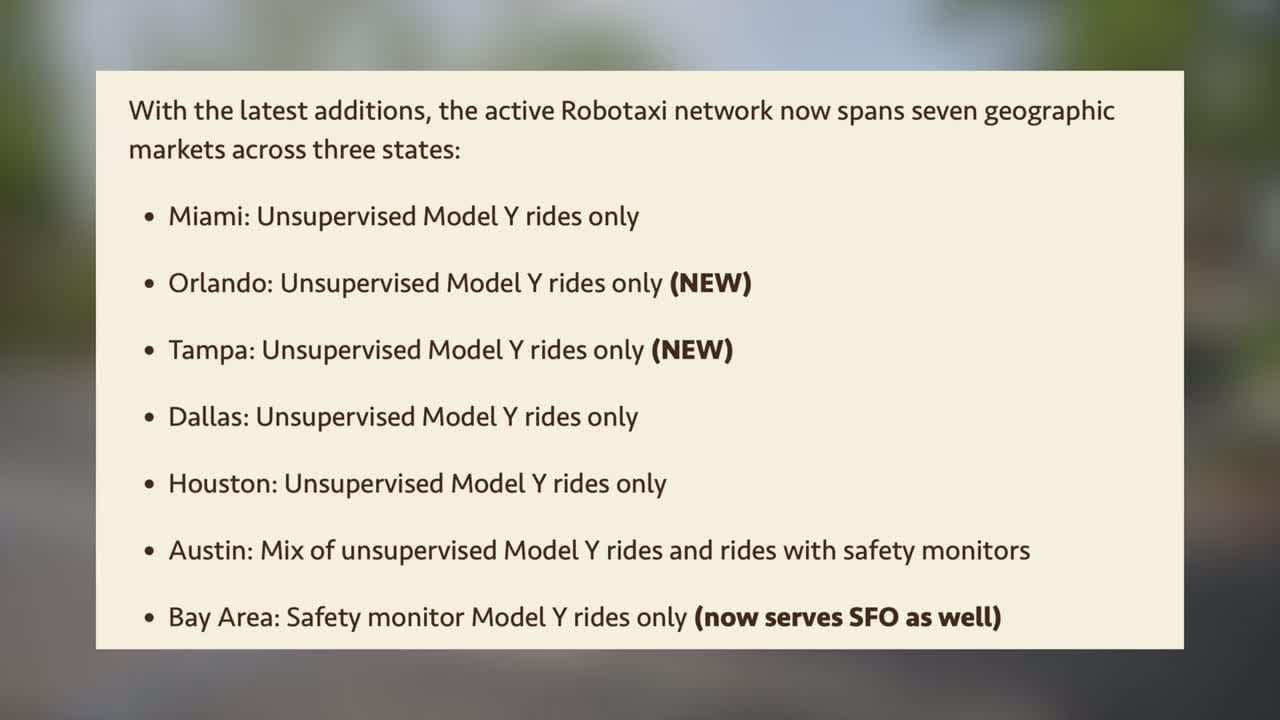
For a driverless fleet, constant connectivity is the difference between a smooth operation and a stranded car. In cellular dead zones — rural Texas, highway corridors, underground garages — Starlink gives Tesla a backup path for over-the-air updates, remote support, dispatch, and keeping passengers entertained with 4K streams. With the robotaxi service now running in seven cities (Austin, Dallas, Houston, Miami, Tampa, Orlando, and others), the satellite link future-proofs expansion into places where LTE and 5G are unreliable.
Fleet reliability upside
Passenger entertainment
Availability on consumer Teslas
The catch
Right now, no consumer Tesla — Model Y, Model 3, Cybertruck — ships with built-in Starlink hardware. The integration is Cybercab-only, and Tesla hasn’t said what a Starlink subscription (if any) will cost on the robotaxi. Owners can still bolt on aftermarket kits. So for the average driver, this is a glimpse of where Tesla’s fleet tech is heading, not something you can buy today.
For the broader robotaxi picture, see our coverage of the Cybercab’s 2026 upgrade and Tesla’s city-by-city robotaxi expansion.
Will my Tesla get Starlink?
Not yet. Built-in Starlink is currently exclusive to the Cybercab. Consumer models would need new roof hardware, and Tesla has made no commitment or timeline for that. Aftermarket Starlink kits remain an option for adventurous owners.
Related reading on EVCUBE
Sources: PCMag — Starlink’s New V5 Dish Heads to Tesla Cybercabs; Tesla official X announcement (July 2026); Teslarati “Tesla reveals first vehicle model to receive Starlink integration”; Ryan Shaw Tesla tech news roundup.