A Chinese battery maker says it built a pack that drives 930 miles on a single charge — but whether any of that chemistry ever reaches your driveway in the US is a very different question.
The claim that stopped the internet
Contemporary Amperex Technology (CATL) — the company that already makes more than a third of every EV battery on Earth — walked onto a stage at its 2026 Tech Day and put a number on the board that sounds like science fiction: 930 miles (1,500 km) of range on a single charge. In a full-size SUV, the same pack clears over 620 miles. Alongside it, the company showed a sodium-ion variant that it says holds 90% of its capacity at minus 40°C, and a fast-charging battery that adds range in minutes, not the half hour most American drivers still expect.
The video that sparked this article frames it as the moment “the race is basically over.” That is great television and weak analysis. The chemistry is real. The “everything changes for you tomorrow” part is not. Let’s pull the spec sheet apart and see what is actually new, what is marketing, and what it means for someone shopping for an EV in the United States.

What “condensed” actually means
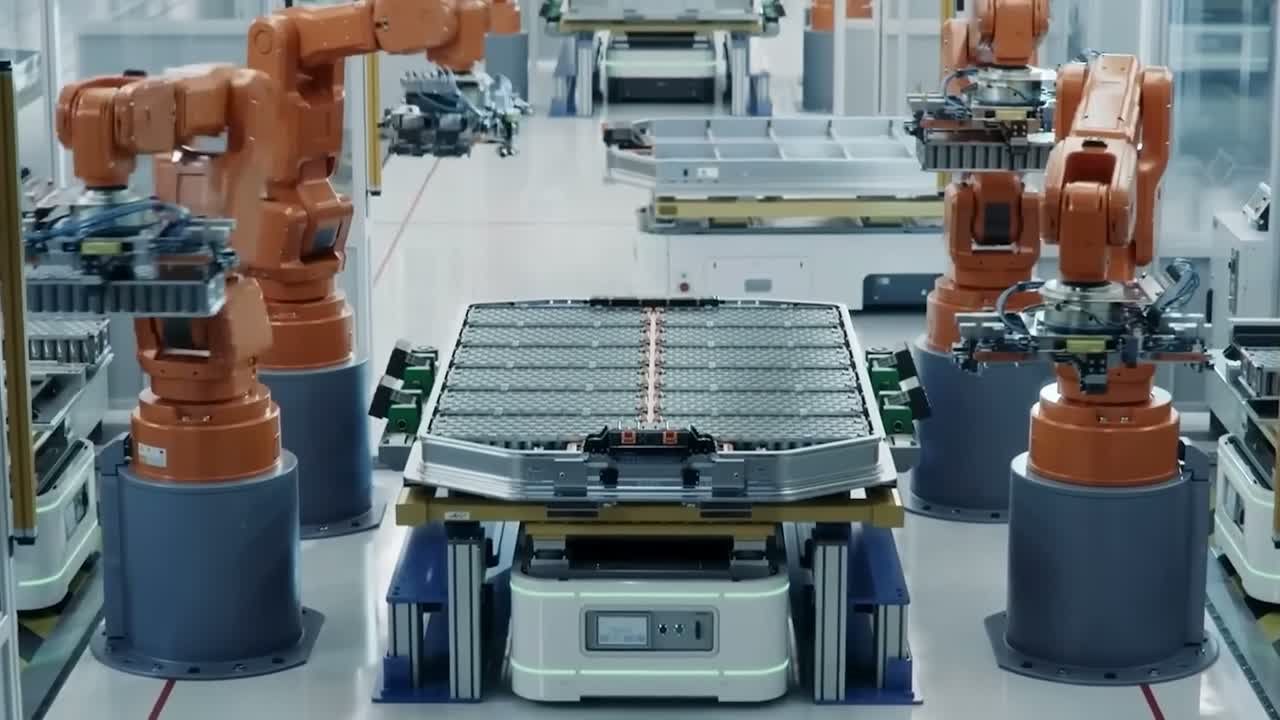
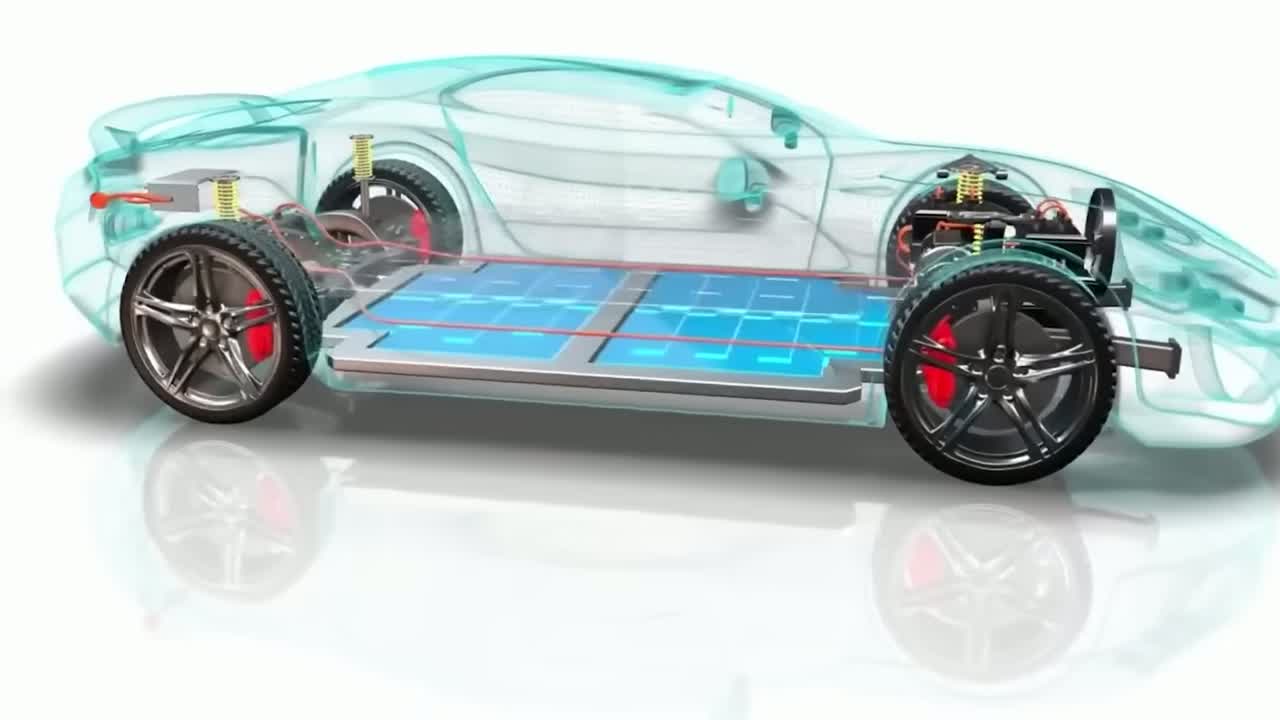
The 930-mile pack is CATL’s Qilin Condensed Battery. The trick is not a magic material — it is replacing most of the liquid electrolyte inside the cell with a semi-solid “condensed” electrolyte (still 5–10% liquid). That one swap is what lifts cell energy density to 350 Wh/kg, the highest of any mass-produced battery, with a pack weight held under 650 kg. For context, that density is what lets a normal-sized sedan envelope deliver 1,500 km instead of the 400–500 km most affordable EVs manage today.
This is a genuine leap, not a rendering. CATL has already flown the underlying aviation-grade chemistry on a 4-tonne electric aircraft. But notice the words: “mass-produced” and “semi-solid.” It is not the all-solid-state battery the industry has been promising for a decade. It is a smarter, denser version of the lithium-ion battery we already have.
| Chemistry | Cell energy density | Typical real-world range | Status (2026) |
|---|
| LFP (most affordable EVs) | ~160–200 Wh/kg | 250–350 mi | Mass-produced, dominant in China |
| NMC / high-nickel | ~250–300 Wh/kg | 300–400 mi | Mass-produced, premium EVs |
| CATL Qilin Condensed | 350 Wh/kg | ~930 mi (sedan) | Mass-produced 2026 |
| All-solid-state (lab) | 400–500 Wh/kg | Projected 600–930 mi | Pilot lines; mass production ~2030 |
Energy density vs LFP
CATL’s own math: matching 930 miles with a standard LFP pack would require roughly 400 kg of extra battery weight. That is the entire point of the condensed chemistry.
The sodium twist and the cold-weather fix
Here is the part the spec-sheet crowd underrates. Alongside the condensed pack, CATL announced its Naxtra sodium-ion battery entering GWh-scale mass production in Q4 2026. Sodium is, quite literally, table salt — one of the most abundant materials on Earth. No cobalt, no lithium, none of the geopolitically tense mining that turned the EV supply chain into a diplomatic flashpoint.
The headline number: it holds 90% of capacity at minus 40°C, colder than almost anywhere in the continental US or Europe gets. For American drivers, that matters more than the 930-mile headline, because the quiet EV weakness has always been winter. A standard lithium-ion pack accepts about 36% less power near freezing and loses 20–30% of its range before you have even left the driveway. Sodium attacks that problem at the chemistry level. CATL says sodium’s total cost could run 20–30% below LFP by 2027 — which is why it is positioned as the entry-level and grid-storage chemistry, not the 930-mile headline act.

Charging speed — and a labeling trap
The video blends two different CATL products into one story, and untangling them is where the real analysis lives. The 930-mile range comes from the condensed pack. The eye-popping charge speed — 10% to 80% in about 3 minutes 44 seconds, peaking at 1,300 kW — comes from a different product, the third-generation Shenxing battery. They are not the same cell.
Either way, the comparison to US infrastructure is brutal. The fastest public chargers most Americans actually use deliver 150–350 kW. A Tesla Supercharger — the gold standard here — adds about 200 miles of range in 15 minutes. CATL claims Shenxing adds roughly 250 miles in 4 minutes. CATL also says the pack holds over 90% of capacity after 1,000 full charge cycles, which is years of daily fast-charging before you would notice a drop worth caring about.
Solid-state reality check: 2027 to 2030, not tomorrow
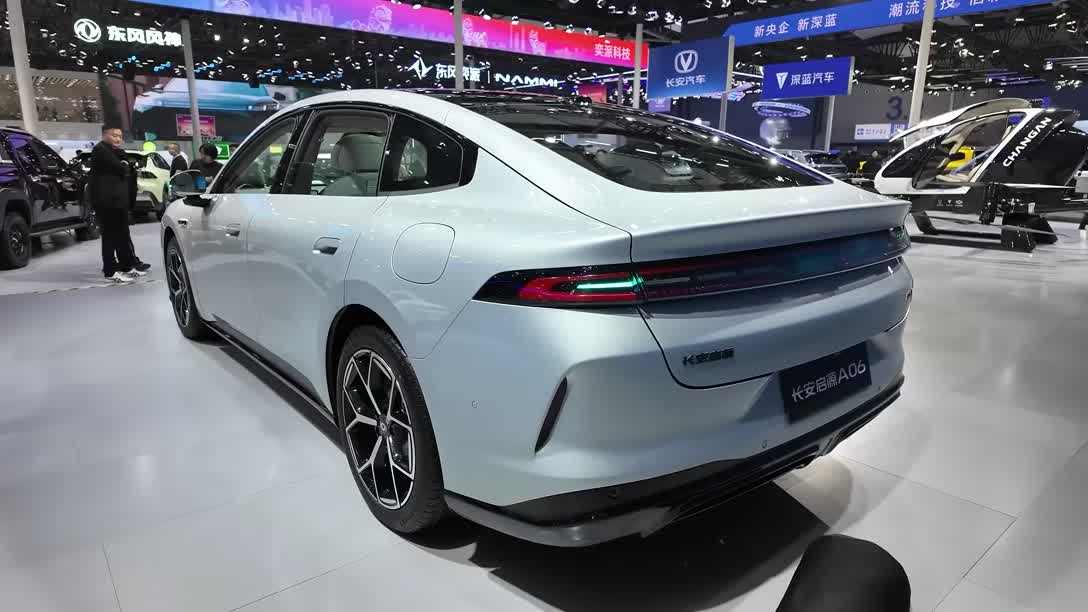
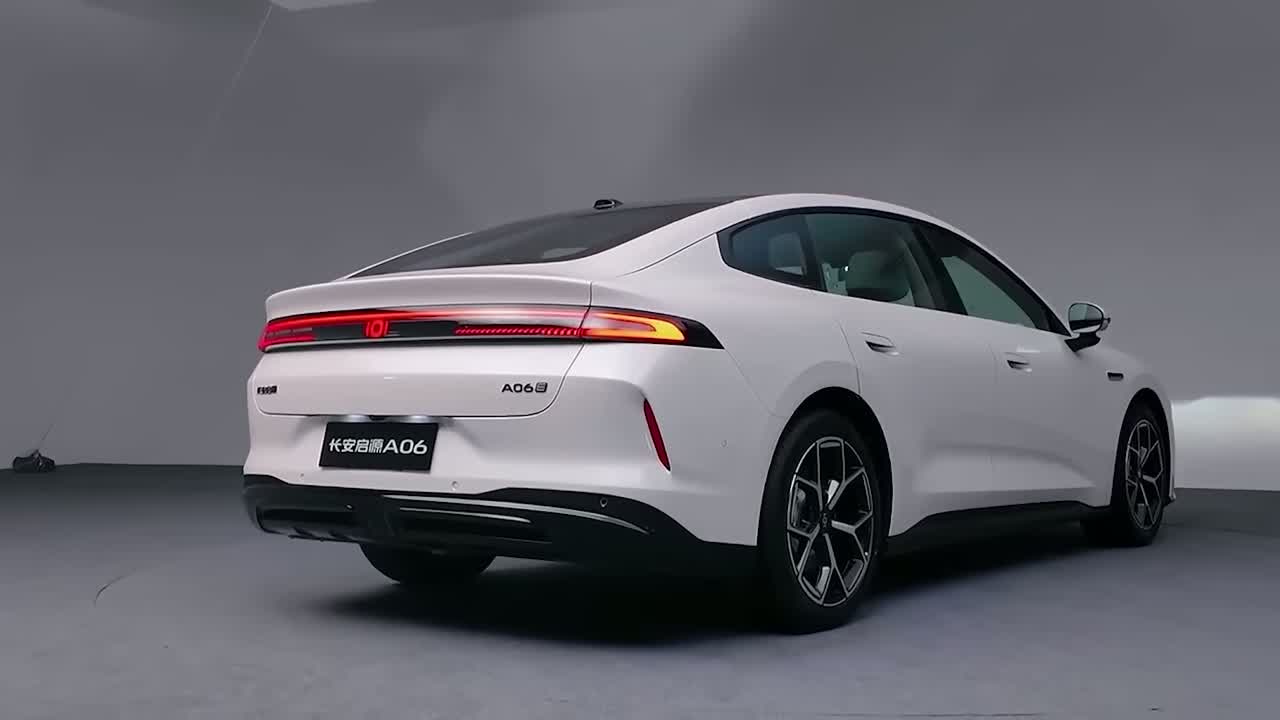
The video names a whole field — Changan at 932 mi, Chery’s Rhino pack, Dongfeng at 620 mi in extreme cold, BYD targeting 2027, Toyota with 1,000+ solid-state patents, Samsung SDI with a pilot line. That is real momentum, but the timeline is the catch. CATL’s own chief scientist puts its all-solid-state program at maturity level 4 out of 9, with a target of 7–8 by 2027 (small-batch only) and scaled mass production around 2030. Solid-state cells in labs already hit 400–500 Wh/kg, but they still cost 3–5 times a liquid pack today.
So the “race is over” line is backwards. The race to production is just starting, and the condensed battery is the bridge technology that ships now while solid-state scales up. Calling a 5–10%-liquid pack “solid-state” is the single most common hype error in this story.
What it actually means for US buyers
This is the section the breathless coverage skips, and it is the one that matters if you are buying a car in Ohio or Texas. Three hard facts:
- You will not import it in a Chinese car. US tariffs on Chinese EVs sit above 100%, and the batteries themselves face the same wall. A 930-mile Chinese sedan is not landing at a US dealer.
- CATL is on the US Department of Defense list of Chinese military companies. That is why license deals like Ford’s planned Michigan LFP plant using CATL’s technology were shelved in 2024. The politics are the product here.
- You may get the tech indirectly, years late. CATL already supplies Tesla, BMW, and Ford globally, and Western solid-state work (Factorial with Mercedes, Solid Power with Ford and BMW) runs on parallel timelines. The chemistry eventually trickles into brands you can actually buy — but on a 2027–2030 clock, not a 2026 one.
And remember the federal $7,500 EV tax credit expired on September 30, 2025. The US policy floor under EV adoption is lower today than it was a year ago, which makes a distant Chinese battery breakthrough feel even more disconnected from your local showroom.
Chance this tech is in a US-showroom car by 2027
The verdict — breakthrough or hype?
Both, and the answer depends on which sentence you stop reading at. The 350 Wh/kg condensed battery and the Q4-2026 sodium-ion mass production are real, shippable, number-backed breakthroughs. The “everything changes for you tomorrow” framing is hype — because the tech is Chinese, the geopolitics block it from the US market, and true all-solid-state is still a 2030 story.
The real story is not the 930-mile number. It is that China already makes about 85% of the world’s cathode materials and over 90% of anode materials, and the company that owns that supply chain just leapt ahead on the technology too. That is not a car story. It is a competition story — and US buyers will feel it as slower choice and higher prices, not as a 930-mile bargain.
The battery is real. The idea that it changes your next purchase this year is the part that needs a charge of skepticism.
Is the 930-mile battery actually “solid-state”?
No. CATL’s Qilin Condensed pack is a semi-solid “condensed” electrolyte — still 5–10% liquid. True all-solid-state from CATL is at maturity level 4/9, with small-batch production targeted for 2027 and scaled mass production around 2030. Calling the condensed pack “solid-state” is the most common hype error in this story.
Will I be able to buy a 930-mile EV in the US soon?
Not directly. US tariffs above 100% block Chinese EVs, CATL is on the US military-companies list, and Ford’s licensed-CATL Michigan LFP plant was shelved in 2024. You may see similar chemistry in Western-branded cars (Tesla, BMW, Ford, Toyota) on a 2027–2030 timeline — but not a 930-mile Chinese pack at a US dealer in 2026.
Does the sodium-ion battery really run “on salt”?
Not literally. Sodium-ion uses sodium — an abundant, salt-derived element — instead of lithium, with no cobalt. It is far more abundant and geopolitically safe, and CATL says it holds 90% capacity at minus 40°C. But it still uses other engineered materials; “runs on salt” is marketing shorthand for “abundant, cheap chemistry.”
Related reading on EVCUBE