The federal $7,500 credit is gone, but American EV sales just posted their strongest quarter since it died. This is the week’s EV news that actually changes what you’ll pay and what you can buy.
The Market Just Had Its Best Quarter Since the Credit Died
After three brutal quarters, the US EV market stopped bleeding. Cox Automotive estimates 247,226 battery-electric vehicles were sold in the second quarter of 2026 — up 14.7% from a revised first quarter and the best quarter since the federal credit went away. The catch: that is still 20.5% below the same period in 2025, the third straight year-over-year decline.
The decline is shrinking, not growing. Q4 2025 fell 36% year over year, Q1 2026 fell 27.3%, and Q2 2026 fell 20.5%. That steady narrowing is why analysts now call the market “stabilizing” rather than collapsing — and why anyone repeating the “EV is dead” narrative is arguing with the numbers.

The root cause is easy to date. The $7,500 federal New Clean Vehicle Credit expired for vehicles acquired after September 30, 2025, courtesy of the One Big Beautiful Bill Act. Buyers rushed to close deals before the deadline, pushing EV share of new-vehicle sales to a record 10.6% in Q3 2025 (437,487 units). Then the pull-forward demand evaporated. By Q2 2026, EV share had settled at roughly 5.8% — about half the peak, but stable across two quarters.
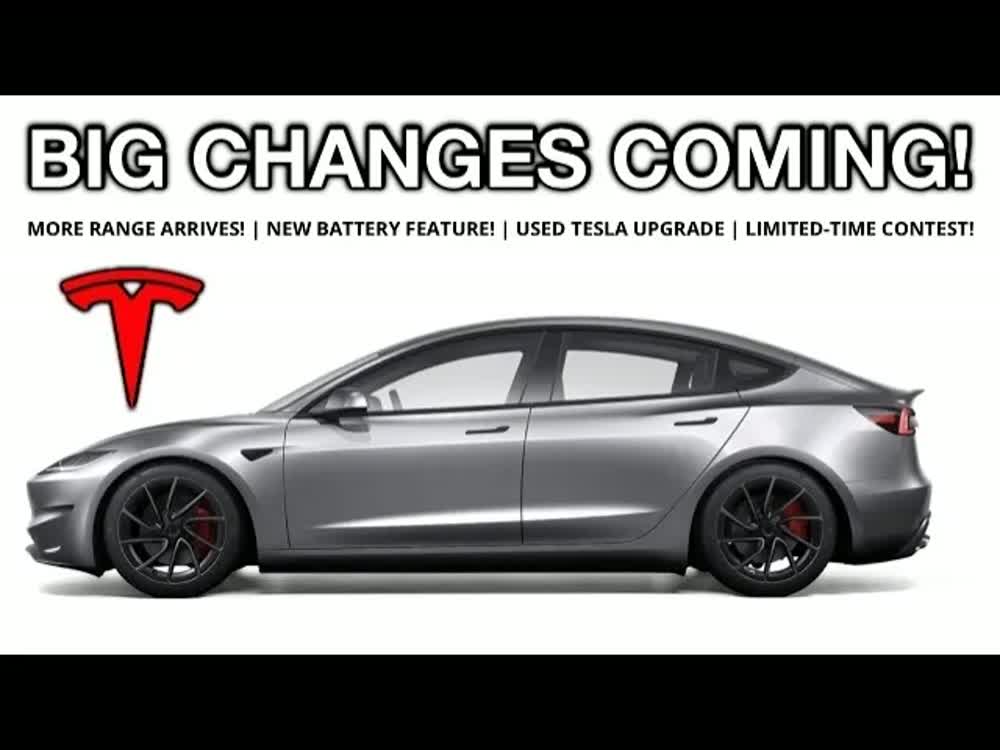
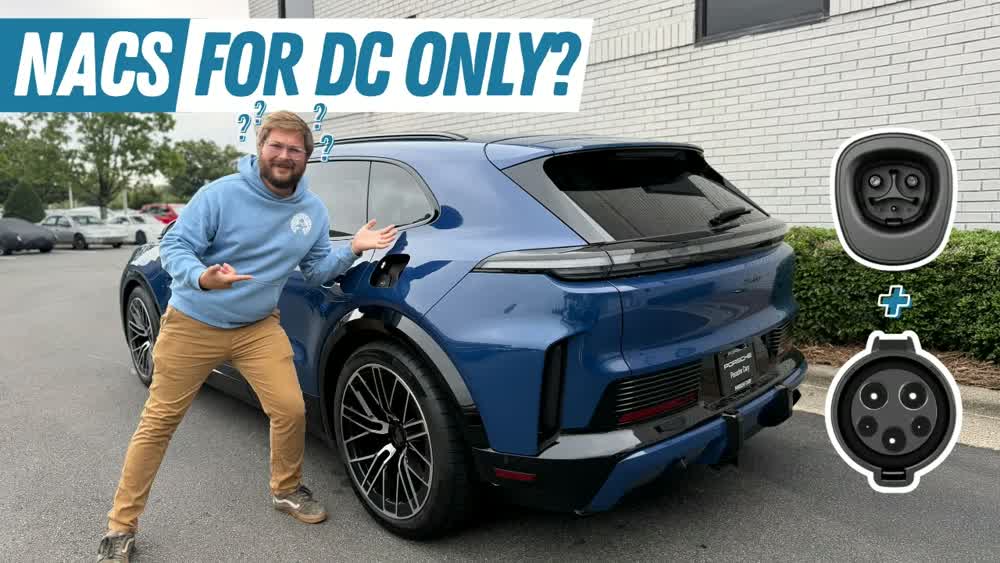
Tesla still owns the category: an estimated 124,800 deliveries in Q2, a 50.5% share, with the Model Y (84,863) and Model 3 (34,944) alone making up nearly half of all US EVs sold. Chevrolet was a distant second at 14,908. The surprise is Toyota, which more than doubled its EV volume year over year and now ranks among the top five sellers on the strength of the bZ and C-HR.
Market stabilization (decline narrowing)
California Picks Up the $7,500 the Feds Dropped
While Washington repealed the national credit, Sacramento opened its own. On July 13, 2026, Governor Gavin Newsom signed SB 168, creating “MyFirstEV” — an instant point-of-sale rebate of $3,500 on new EVs (MSRP up to $50,000) and $1,750 on used EVs (up to $25,000). There is no income cap; eligibility is gated by a first-time-ZEV attestation and an 8,500-pound curb-weight limit.
The funding is clever: the state put in $135.5 million, and participating automakers match it dollar-for-dollar, creating a combined $270 million pool. CARB administers it, with rebates expected to roll out later this summer. California already has over 2.5 million EVs on the road and the nation’s largest share at about 17.5%, so the program should add meaningful volume.
The fine print is where it gets interesting. A carve-out waives the $50,000 cap for California-headquartered, EV-only makers — which means Rivian (Irvine) and Lucid (Bay Area) get the full rebate even on $58,000–$71,000 vehicles. Tesla, which moved its HQ to Austin in 2021, only qualifies on sub-$50,000 Model 3 and Model Y trims. The exemption rewards a corporate address, not where cars are built — and it lands squarely in the Newsom-Musk feud.
California buyer savings vs. no federal credit
Hyundai Is Betting $5 Billion on American Batteries
Hyundai Motor Group and SK On have started series production at their $5 billion joint-venture battery plant in Kingston, Georgia, northwest of Atlanta. The facility will reach up to 35 GWh of annual capacity — enough cells for roughly 300,000 EVs a year. Georgia kicked in $641 million in tax incentives, and the output qualifies for federal manufacturing subsidies of up to $45 per kWh.
This is the second major SK On operation in Georgia; the earlier Commerce plant adds another 20 GWh. A third battery JV, with LG Energy Solution (30 GWh), is under construction nearby but slipped this year after an ICE raid disrupted construction. Combined, Hyundai could have up to 80 GWh of US battery capacity online in 2026 — insurance against both tariffs and the import dependence that just hurt its car sales.
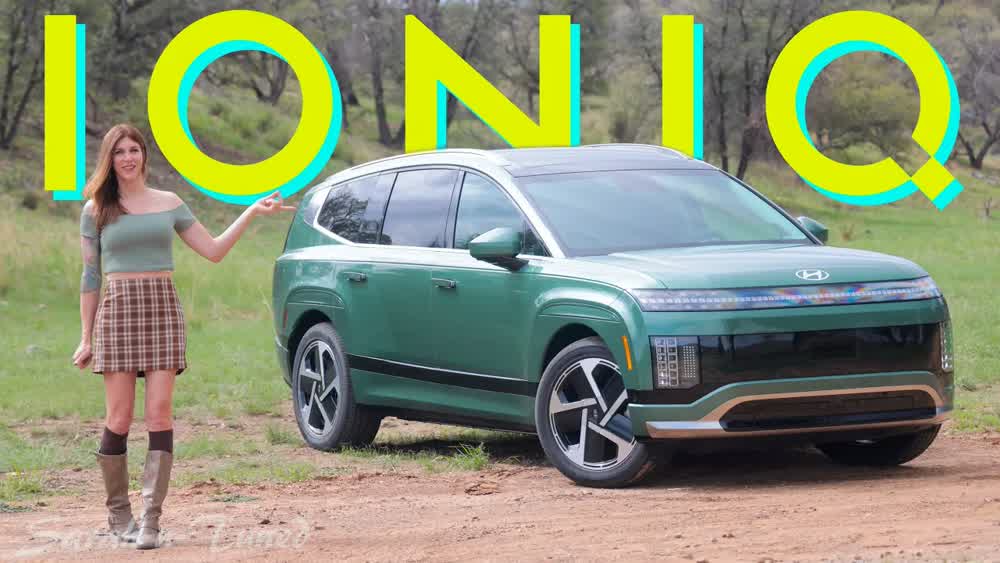
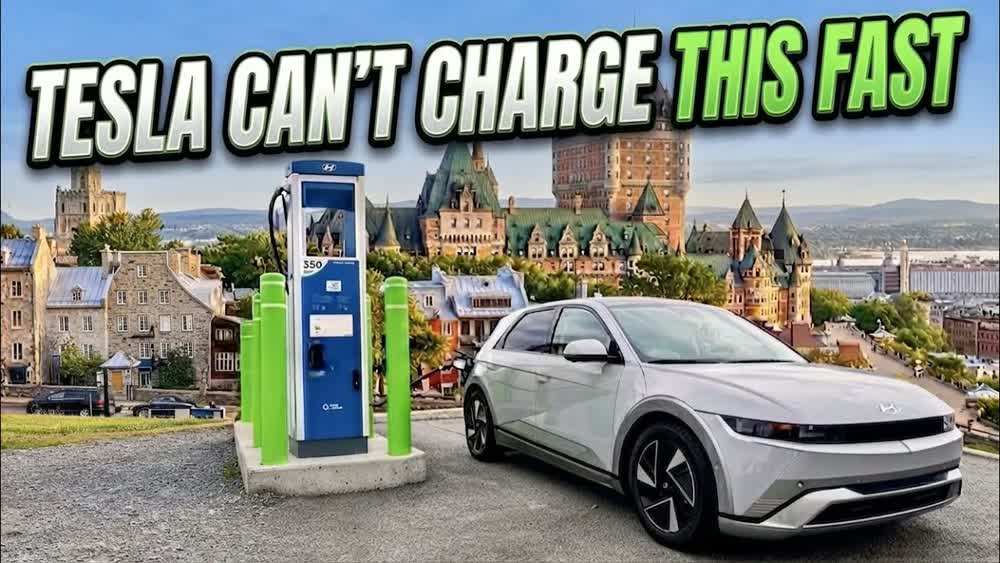
That hedge matters because Hyundai’s pure-EV sales hit headwinds. In Q2 it sold just over 14,000 EVs in the US and ended importation of the standard Ioniq 6 sedan, where sales were minimal after the federal incentive phase-out and import tariffs bit. Building cells and cars on American soil is how it plans to keep prices competitive without a federal credit.
The Legacy Recalibration: Honda’s Prologue Exit
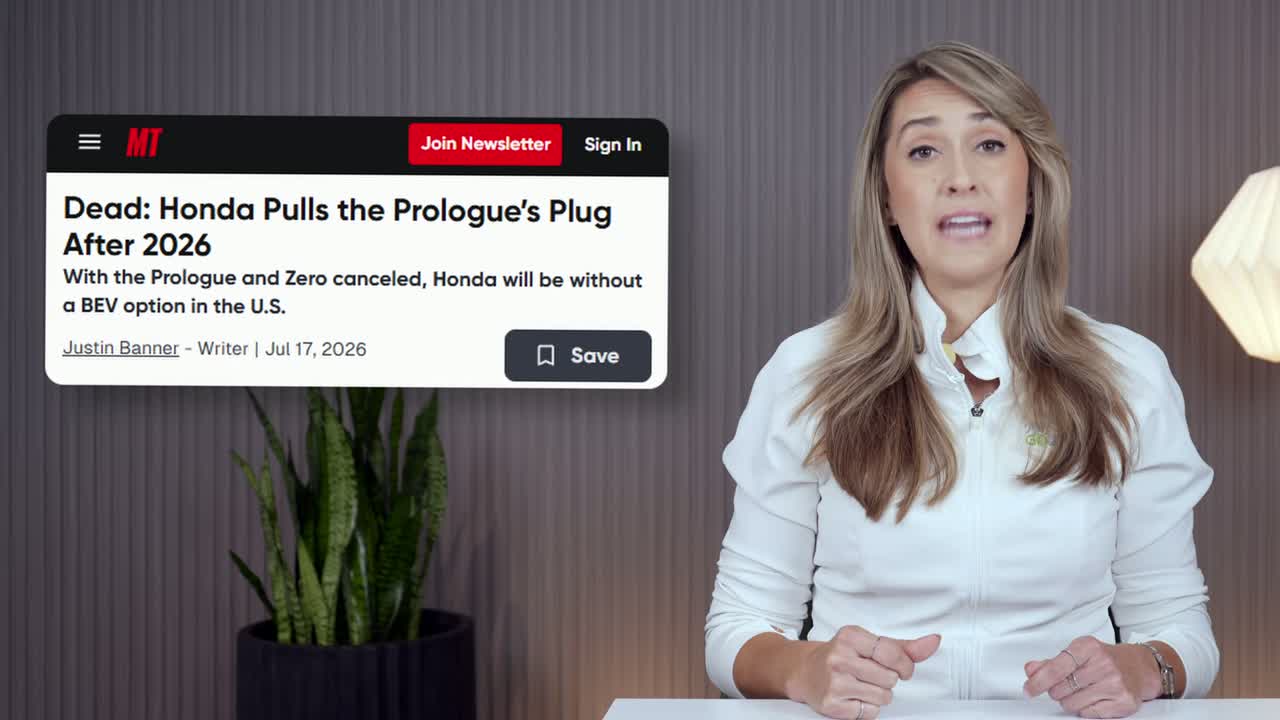
Honda confirmed it will end production of the Prologue electric SUV at the end of 2026, with no second generation planned. The numbers explain why. After 39,000 US deliveries in 2024, Prologue sales fell to 5,088 in Q2 2026 and just 8,407 for the first half — down more than 48% year over year. Honda has been discounting hard, including a $7,500 cut on 2026 models, and Acura already killed the platform-sharing ZDX last fall.
The Prologue is a GM Ultium product built in Mexico, and the whole platform is contracting. Its sister Blazer EV moved 2,089 units in Q2, the Cadillac Lyriq 4,208 (down 16% year over year), and GM cut 1,900 jobs and shifted its Mexico plant to a single shift. Whether this is retreat or a pause before a sharper next-generation platform, it leaves Honda with no EV in its US lineup and a clear pivot toward hybrids.
| Ultium sibling (Q2 2026) | US sales | YoY change |
|---|
| Honda Prologue | 5,088 | −48% (H1) |
| Chevy Blazer EV | 2,089 | stable |
| Cadillac Lyriq | 4,208 | −16% |
The Charging Network Keeps Quietly Expanding
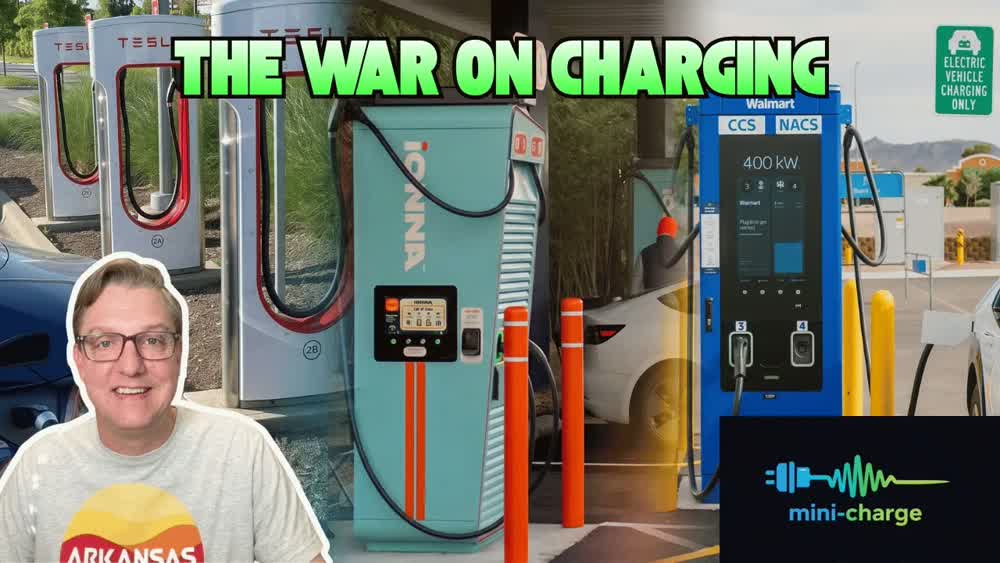
While carmakers recalibrate, the plugs keep multiplying. The US crossed 253,319 public charging ports across 82,309 station locations as of June 2026 (DOE Alternative Fuels Data Center) — past 250,000 just months after clearing 200,000 in March. Roughly 73,000–74,000 of those are DC fast ports. Tesla leads fast charging with about 38,000 Supercharger ports; ChargePoint holds the largest Level 2 footprint at over 76,000 plugs.
This week sharpened the trend. ChargePoint expanded with Optimus Energy Solutions to add 200+ public ports across the Southeast, and with travel-plaza operator Ambo to install 500 kW Express Plus DC fast chargers at 12 highway sites across Pennsylvania and New York, supporting both CCS1 and NACS. And Tesla flipped the switch on its first public Megacharger for electric semis in Bloomington, California — six bays, up to 1.2 MW — part of a plan for 37 sites by end of 2026 and 60+ across 15 states (Texas leads with ~19, California 17). For the full picture, see our 2026 US charging landscape explainer.
None of this happens in a vacuum. With the federal credit gone, the ownership math increasingly rests on what you pay at the plug versus the pump. Our 2026 owner-math breakdown shows why high gas prices and falling EV transaction prices — the average hit $55,300 in February with the gap to a gas car at a record-low $6,500 — keep the case alive even without a rebate.
Is the EV market really recovering, or just stabilizing?
Stabilizing is the accurate word. Quarter-over-quarter volume rose 14.7% from Q1, but year-over-year sales are still down 20.5%, and EV share (5.8%) is roughly half the Q3 2025 peak. Cox Automotive calls it a “necessary reset” around pricing and product rather than subsidies — not a return to growth yet.
Who actually gets California’s $3,500 rebate?
Any California resident buying their first zero-emission vehicle, with no income cap, on new EVs up to $50,000 MSRP or used EVs up to $25,000. Rivian and Lucid are exempt from the price cap thanks to a California-HQ rule; Tesla only qualifies on sub-$50,000 trims. The program launches late summer 2026.
Does the expired federal credit affect used EV prices too?
Indirectly. New EV demand weakened, pushing more buyers toward the used market — used EV sales rose about 25% year over year in early 2026, with pricing near parity to used gas cars. The separate $4,000 used-EV federal credit also ended September 30, 2025.
Sources: Cox Automotive / Kelley Blue Book Q2 2026 EV Sales Report (247,226 units, 5.8% share, Tesla 50.5%); Governor of California press release (SB 168, MyFirstEV, $135.5M + $135.5M match); Hyundai Motor Group / SK On Kingston, GA announcement ($5B, 35 GWh, $641M incentives); Honda Q2 2026 sales disclosures (Prologue 5,088; H1 −48%); DOE Alternative Fuels Data Center via Fuel Cells Works (253,319 public ports, June 2026); ChargePoint / Optimus / Ambo and Tesla Megacharger announcements (July 2026); Miss GoElectric “The Current,” July 19, 2026.